




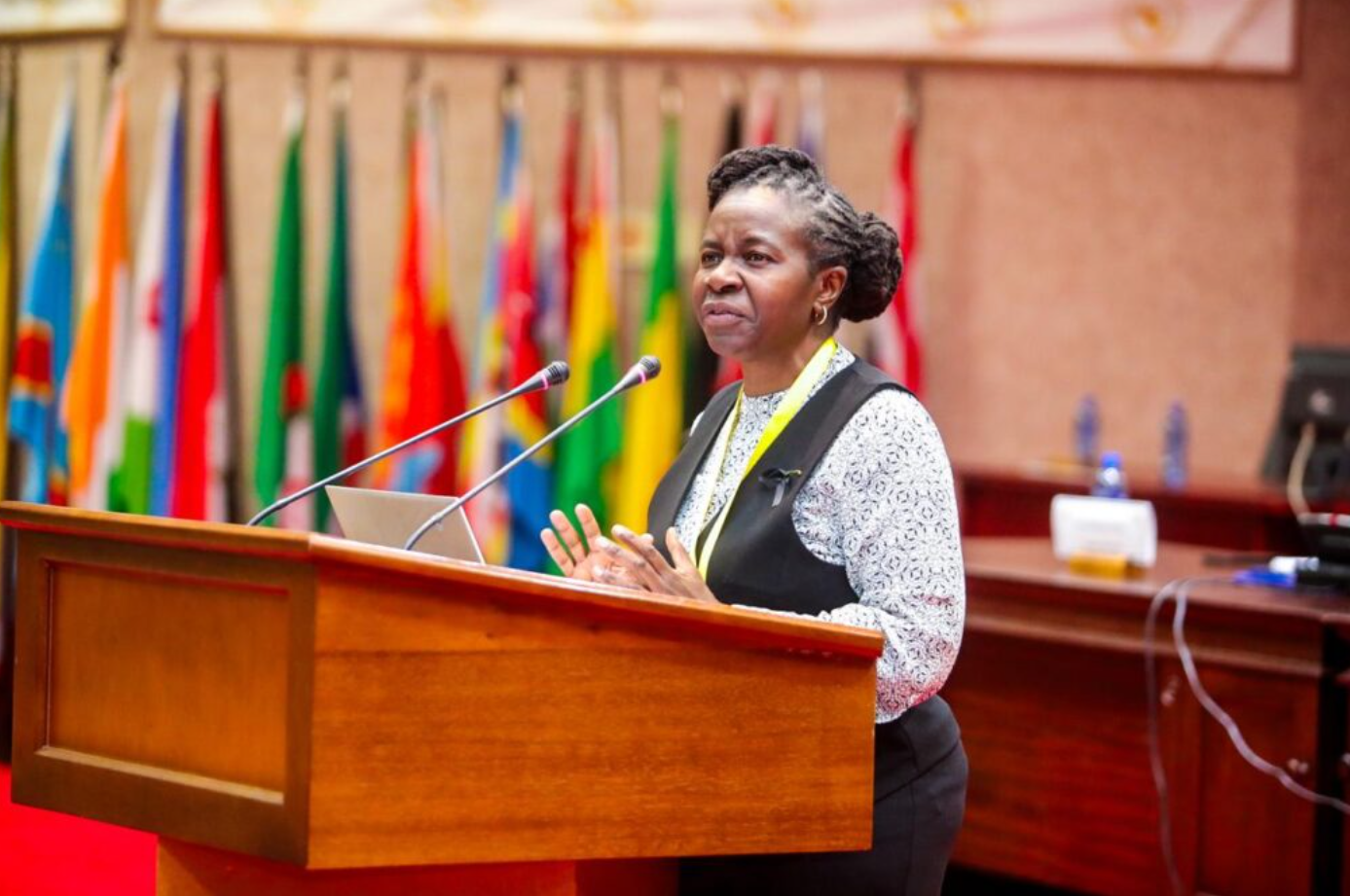
The Zimbabwe Human Rights Commission, the body mandated by the Constitution to protect human rights, says the government’s proposed Constitutional Amendment Bill 3 will weaken democratic safeguards and must go to a referendum.
Here’s a summary of what the Commission says in its statement on the Bill.
On extending Mnangagwa’s term
The ZHRC warns that extending the presidential term from five to seven years affects the entire electoral cycle, reducing how often citizens can vote leaders in or out. Fewer elections mean weaker accountability, the Commission says.
On why a referendum is needed
The ZHRC says major constitutional changes affecting presidential terms must be approved directly by citizens. It cites the Constitution (Section 328(7)) and says avoiding a referendum undermines the principle that power comes from the people. This sharply contradicts the government’s push to avoid taking the changes to a vote.
“Such a change requires approval through a referendum… ensuring that fundamental changes must be legitimised by popular consent,” the ZHRC says. “It allows the President to remain in office beyond the limits ordinarily imposed… thereby weakening the protective framework designed to prevent entrenchment of executive authority.”
The Commission says a referendum “ensures that citizens directly endorse or reject the reform.”
What about fewer elections?
The Commission pushes back against ZANU PF’s argument that longer terms bring stability. It says reducing the frequency of elections means less accountability and weaker democracy.
“Fewer opportunities for citizens to exercise their right… risk undermining democratic legitimacy.”
On Parliament voting for the President
The Bill proposes giving Parliament the role of selecting the President. ZHRC says while this compares to practices in other countries, it takes power away from voters and into political elites.
Says the ZHRC: “Longer terms without corresponding safeguards… may entrench ruling authority rather than broaden democratic participation.”
On ZEC and voter registration
One of the most contentious proposals is moving voter registration from the Zimbabwe Electoral Commission (ZEC) to the Registrar-General. ZHRC says there are some efficiency gains, such as better use of existing national records. But the change would mean taking power from what is supposed to be an independent institution and opening the door to political interference.
“Efficiency without impartiality risks delegitimizing the entire electoral process,” says ZHRC.
Overall, the Commission dismisses ZANU PF’s marketing point, that extending the term will bring about stability, saying: “Stability cannot come at the expense of accountability, and efficiency cannot substitute for democracy.”



