
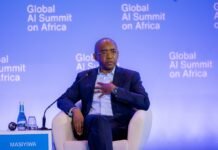





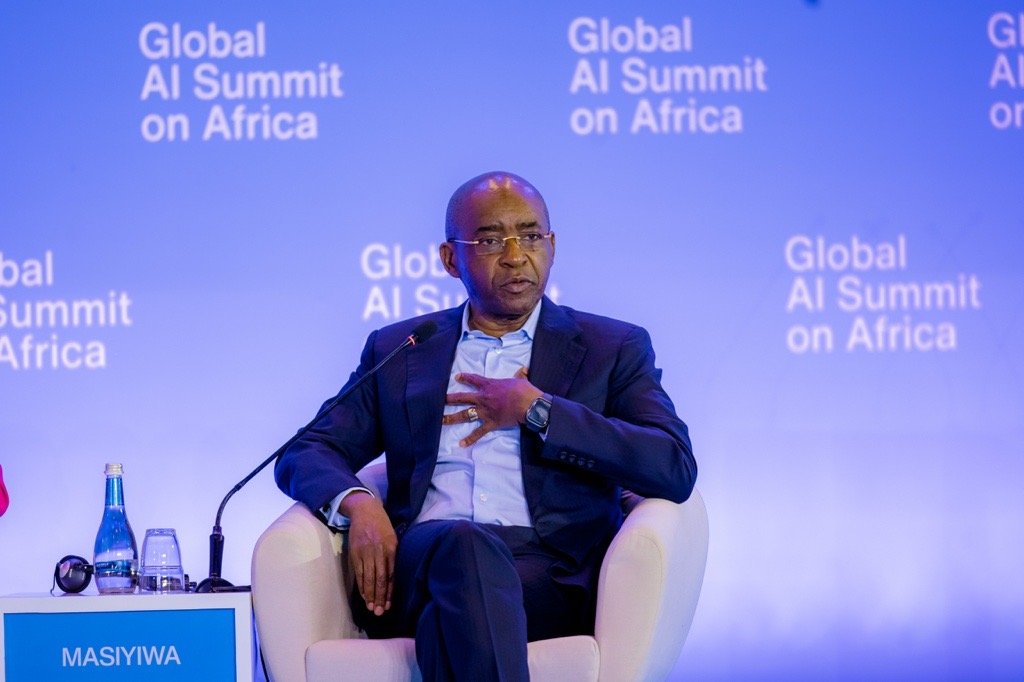
Cassava Technologies, the pan-African technology group founded by businessman and philanthropist Strive Masiyiwa, has joined a global coalition working to make artificial intelligence accessible to billions of people whose languages remain poorly supported by AI systems.
Cassava is among an initial 60 technology companies, AI laboratories, researchers, governments, philanthropies and civil society organisations backing a five-year initiative to enable an estimated 3.4 billion people who speak underrepresented languages to use AI tools in their own language and voice.
The coalition includes Nvidia, Google, Microsoft, the OpenAI Foundation, World Bank Group, the UK Foreign, Commonwealth and Development Office, Amazon, Agentic AI Foundation and the Centre for Open Societal Systems (COSS), among others.
Announced by the Gates Foundation this week, the initiative seeks to address a major gap in the rapid expansion of AI into education, healthcare, agriculture, financial services and public services. Of the world’s roughly 7,000 languages, only a small proportion have sufficient digital text, speech data and other resources needed to support advanced AI systems. Thousands are considered “low-resource languages”, making it difficult for AI systems to accurately understand their speakers’ words, accents, dialects and cultural context.
The coalition says addressing the challenge requires more than translating text. AI systems need to understand and respond accurately to different languages, dialects and cultural contexts, including through voice technology.
“AI needs to work well enough for speakers to accomplish what matters to them, whatever language they speak,” the Gates Foundation and its partners said in their joint commitment.
The initiative calls for responsibly collected and governed language data that developers can access under open licences, alongside benchmarks to measure AI performance in underrepresented languages. It also emphasises privacy, consent and data sovereignty.
“We need to gather quality data responsibly and with consent, make non-proprietary data open to every builder, set benchmarks, and ensure model-makers use them,” the organisations said.
The coalition is also calling for greater investment in local research and technology ecosystems so that communities contributing their languages participate in and benefit from the AI economy.
The challenge is particularly significant in Africa, which is home to thousands of languages with limited digital resources. Improving AI capabilities in these languages could broaden access to digital services, although connectivity, electricity, affordable devices and digital skills will remain critical.
For Cassava Technologies, which is expanding AI infrastructure and services across Africa through Cassava AI, participation places the group among global organisations working to make the next phase of AI development more inclusive.
“No single company, country, or foundation can do this alone,” the coalition said. “It takes the AI labs that build models, the researchers who understand the languages, the organizations that serve communities, and the governments and funders willing to invest in the public good.”
The five-year ambition is ultimately to enable billions more people to learn, work, access essential services and participate in the digital economy without having to leave their own languages behind.



