







By Tonde Maruke
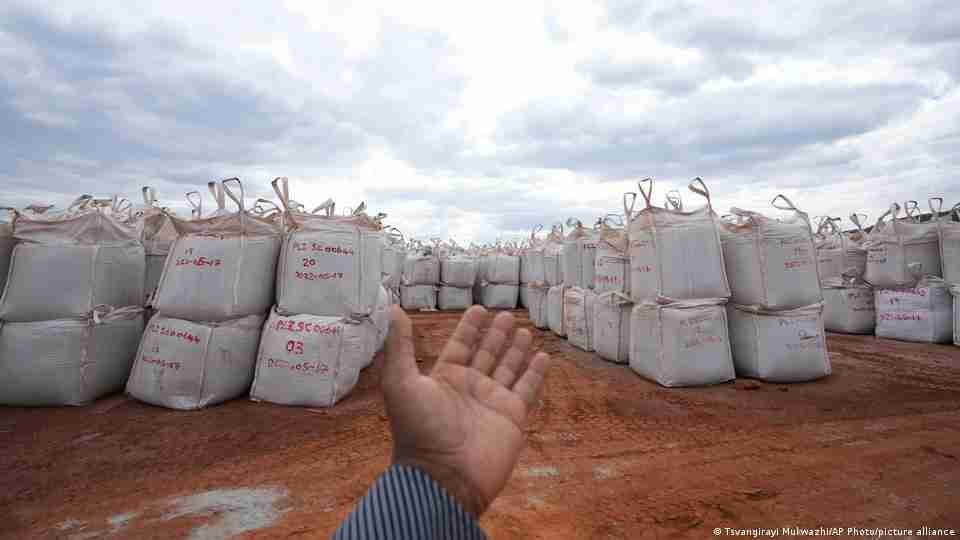
In February, Zimbabwe suspended lithium concentrate exports, pushing miners toward higher-value processing and accusing them of underreporting export values.
Resource nationalism plays well online. Government officials enjoyed the rare internet applause. Comment sections filled with: “Ban all exports. Make lithium batteries right here in Zimbabwe.”
Zimbabwean miners do not export raw lithium, but processed concentrates. After the ban, many commentators are pushing for laws to force local manufacturing of the end product; lithium-ion batteries. But what would it actually take for Zimbabwe to make lithium batteries? What would it take to move meaningfully up the lithium value chain? Here are some tough realities about the road to that goal.
Why can’t we just make batteries?
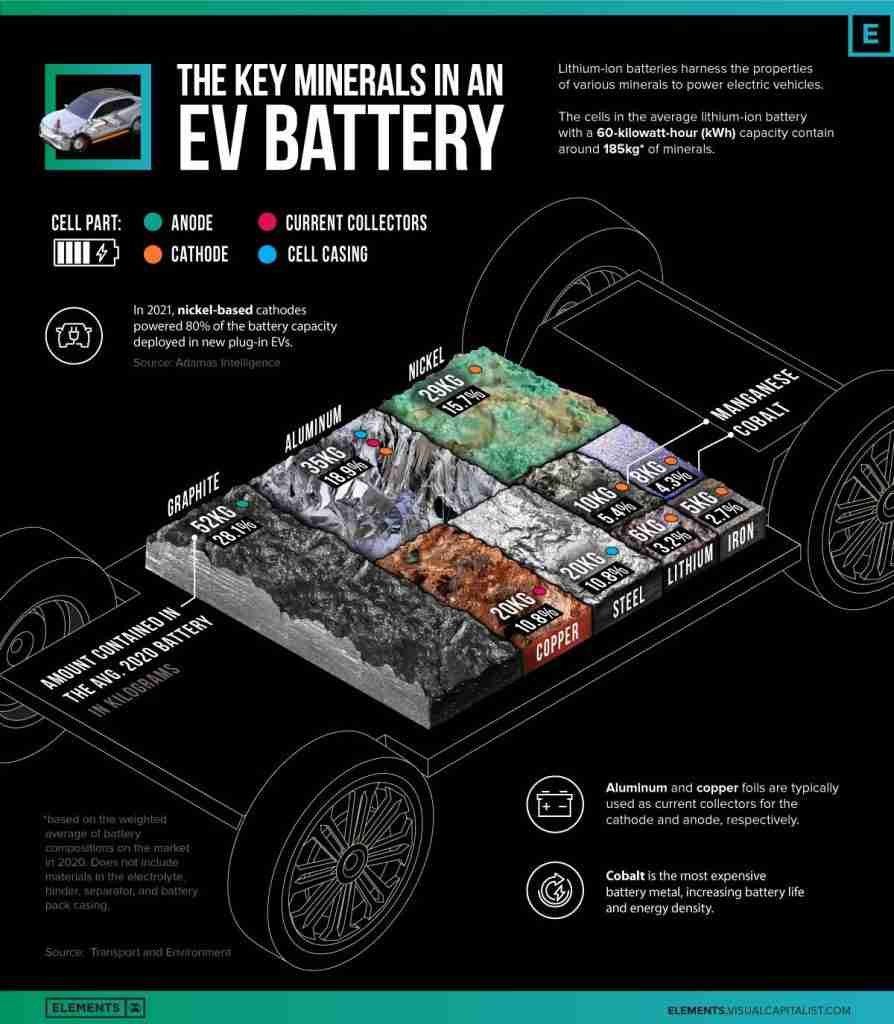
First, let’s clear up what a lithium-ion battery is. The name is slightly misleading. A lithium-ion battery is not just a tube packed with, well, lithium. The name is because of the lithium ions that drive the chemical reaction in the battery. Lithium, in reality, makes up less than 3% of a battery’s total weight.
The rest of the battery is made up of other minerals. To make batteries, Zimbabwe would also need reliable and competitively-priced supplies of graphite, copper, aluminium, nickel, manganese, cobalt, iron and steel.
What about just making lithium carbonate?
Moving one step up the chain into lithium chemicals is more realistic. Huayou Cobalt, for example, is just completing a new lithium sulphate plant, stepping up the chain. But all of it is still demanding.
Lithium carbonate, for example, is the refined chemical input that goes into batteries. To make battery-grade lithium carbonate, Zimbabwe would need lots of inputs, and lots of power.
Let’s look at the numbers. To make one tonne of battery-grade lithium carbonate, a producer needs 2,800 kWh of renewable power, 500-600 cubic metres of natural gas, 2.2 tonnes of concentrated sulphuric acid, two tonnes of sodium carbonate, 20kg of sodium hydroxide, four tonnes of calcium powder, and 1.6 tonnes of food-grade carbon dioxide. Without these inputs and energy, local processing cannot compete.
Why won’t battery manufacturers just come here?
China controls roughly 75% of global lithium refining and battery cell manufacturing.
Batteries are expensive to ship and require just-in-time supply; meaning car makers don’t stockpile them, they need them delivered exactly when they are needed. That’s why location matters. Manufacturers want to be close to car factories. They also need to make them on a large scale to make a profit. This is why they go for “gigafactories”, the minimum size for a viable battery plant. That scale requires both a vast input supply chain and a large nearby EV customer base. Zimbabwe currently has neither.
The Aussie lesson
Australia produces more than half the world’s lithium. Yet, it value-adds a fraction of it at home. The country follows a “dig it, ship it” model. It exports spodumene concentrate, the same product Zimbabwe exports.
Even Australia, a wealthy country with world-class infrastructure, is considered too small a market and too far from major EV hubs to attract large-scale battery investment.
The Chile lesson
Chile holds the world’s largest lithium reserves. In 2018, the government announced a landmark deal. Samsung and other Asian electronics giants would build battery component factories in exchange for guaranteed lithium supply at lower prices. Still, the companies stayed away.
Without sufficient refining capacity, access to other critical minerals, and proximity to customers, the economics simply don’t work, even for the country sitting on the world’s biggest lithium deposit.
Reality check
Zimbabwe is right to push for more value addition. Exporting semi-processed minerals captures only a fraction of the value.
But the infrastructure gap, in energy, logistics, industrial inputs and market access, is real and wide. Closing that gap should be our focus. The ban on concentrate exports is a useful pressure tactic on miners to step up the value chain. But it is not, by itself, an industrial strategy.



