



By Ranga Mberi
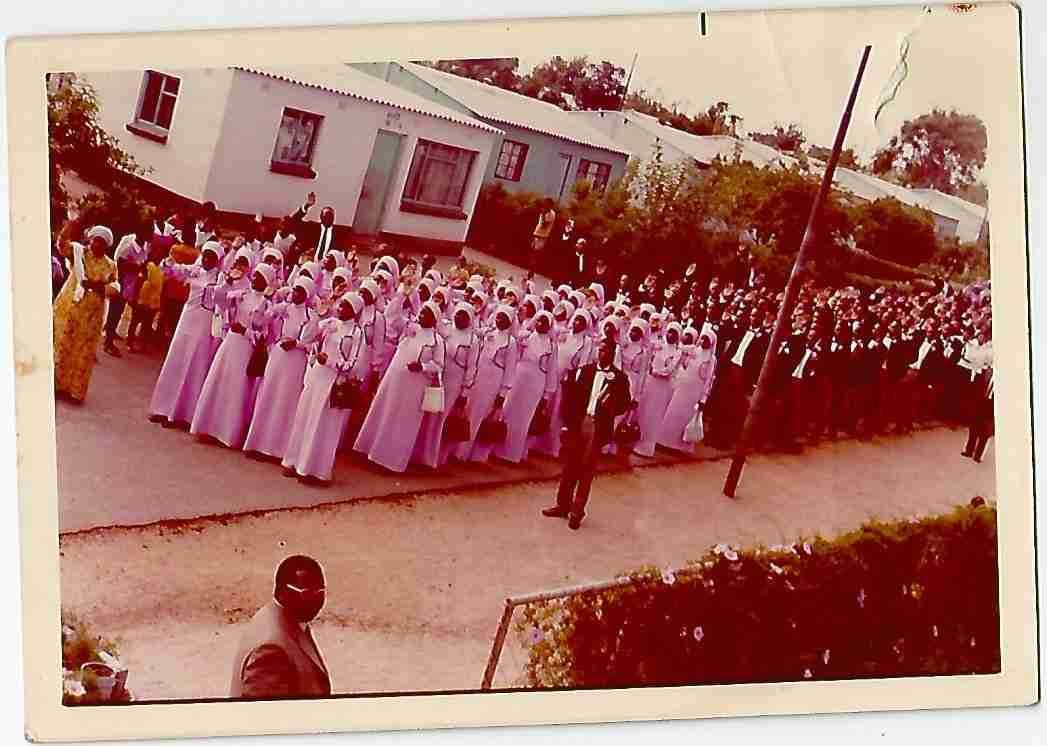
Growing up, I was always fascinated by a church they only called “chechi yemadhirezi marefu”. The church of the long dresses!
I’d see them on their way to church, the women, in their ankle-length dresses and velvet berets. Always a quiet dignity about them. But the one thing that I loved about them? Their singing; thank heavens for Freedom Sengwayo, the gospel legend, for taking it out of their closed churches to the public. However, it was, sadly, through his music that we were to learn of the pain the church later brought him.
The church was the Apostolic Faith Church in Southern Africa. It had been founded by Morgan Sengwayo back in 1955, Bulawayo. Its first church still stands today at Pelandaba.
When Sengwayo was a teen, his father took him to a white policeman he knew in Gweru, hoping to get him a job in the force.
“The European officer, looking at Morgan, did not perceive the right kind of character in this gentle young man. ‘I am afraid old man,’ he told Morgan’s father, ‘that your son does not have the qualities required of a policeman. He is soft-spoken, not the type who could arrest a wrong doer – it seems to me that he would be more fit to become a preacher not a policeman.’” (Rev LC Carver)
That cop must have been some prophet.
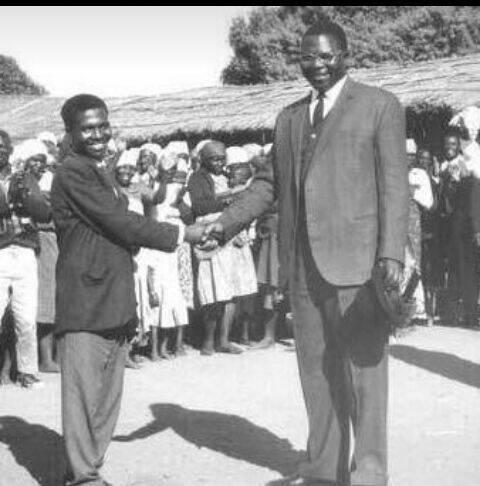
Morgan later found work as a desk clerk, but that was never going to last, seeing as he kept annoying workmates and customers with Bible verses. He was disowned by his family, who had been driven to the wall by his passion. He found himself homeless, but never stopped preaching. His following grew, and he finally answered the call and left his job to form his ministry.
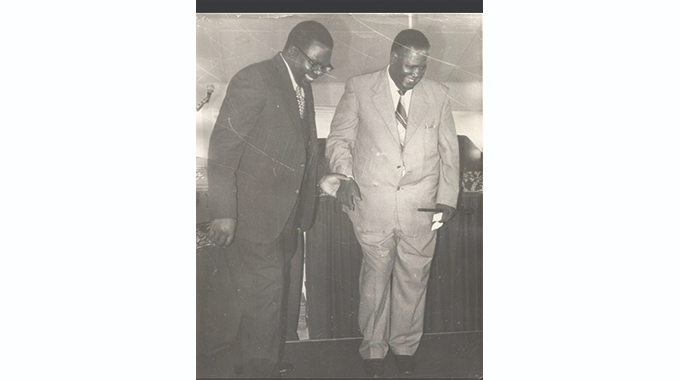
His influence grew beyond the church. Sengwayo formed a strong bond with leading nationalist Joshua Nkomo. Often, it is said, the two would exchange banter on who was “bigger” – a play on both their large physical frames, and indeed their influence. That relationship got him in trouble with Rhodesians. His rendition of Thula Sizwe, an anti-apartheid anthem, only spread his influence.
Oh, and Morgan had brilliant names for his kids; There was Freedom, and also Halidom, Lovedom, Missiondom, Wisdom, Seldom and Kingdom.
In 1982, Morgan Sengwayo died. They buried him in a special crypt at the family farm. And that’s where the problems started. The church, and the family, turned on each other, disagreeing over his succession. It went on for years – and details were often sordid.
In 2018, The Chronicle reported: “Plans to have the late Rev Sengwayo’s remains removed from interment at the family estate, Green Gables Farms near Khami Ruins, hit a snag after it was found that the grave had been sealed with concrete.”
Two Sengwayo brothers, Thomas and Tenet Sengwayo, said they “would seek authority to blast open the crypt to remove their brother’s remains”. They hired a city water engineer to “have water pumped out of the tomb in which Rev Sengwayo’s remains have been found floating”.
Wisdom Sengwayo, one of Morgan’s sons, the paper said, had vowed to seal the grave “amid allegations that a plate glass casket in which Reb Sengwayo was laid to rest in 1982 had been removed and replaced with a cheap tin box”.
Morgan Sengwayo’s youngest son, Missiondom, then 19, had reportedly made the grim discovery: “I was shocked to find my father’s body in a cheap tin box floating in a mess of water”
In 2021, Missiondom was attacked while he was in the church office at Pelandaba. He died from his injuries a few days later. Rival followers blamed each other for his death.
Tell My father: Songs of Freedom
Back in the day, when I’d listen to old records of Morgan’s most famous child, gospel pioneer Freedom, I would wonder at the pain in much of his lyrics. That’s until I came to read about the fallout and bitter fights and splits within the church and the Sengwayo family after their iconic father died.
Much like most founder-led institutions, especially in Africa, Morgan Sengwayo’s death had led to bitter division, in the church, and within his own family. There was a bitterness to Freedom’s songs that only made sense after I learnt of his feud with siblings and cousins over their late father’s legacy and estate.
Listen to Freedom’s Tell My Father, in which he sings of the abuse he faced after his father was gone.
“Think of days of we spent together
No one ever had to point at me, Dad
Now you’re gone, they pick on me like a paper
Tell my father I’ll be there“
There’s his frustrations with what he sings are “our contradictions” in the song Cheated Man:
God knows our contradictions, you don’t have to blame Him now
There was I don’t wanna stay here any more, in which he sings about losing the will to live in this world. Then there’s Ngiyakuthanda Mthwana, an ode to his father.
Now that I’ve read up more on his father and the bitterness he left behind, Freedom’s songs mean even more. Today, decades after Morgan Sengwayo’s death, his church, incredibly, continues to fight over leadership and assets.
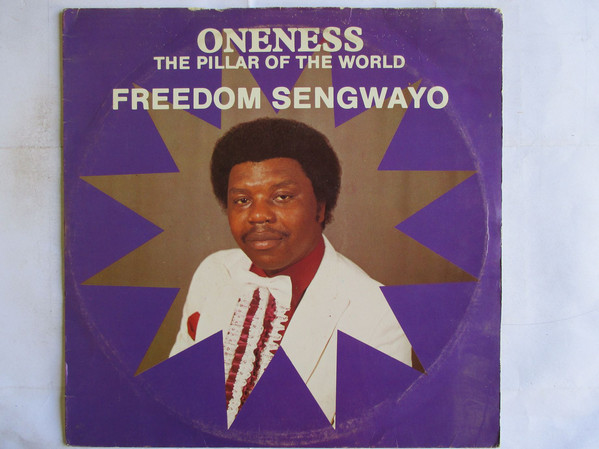
In 1985, Freedom released Oneness, an album that gave us some of his greatest hits; Ngelinye Ilanga, Ukufa Kwabangcwele, Cheated Man, Tell My Father and Better World, the classic duet with his wife Agnes.
On the album sleeve, at the back, is a note: “Freedom says he composed most of these songs after his father’s death, and they comfort him whenever he sings them.”
Freedom, who died in 1998, writes on the album notes: “I miss my father a lot. But I know I will see him in a better world. Though some say there’s no life after death, but my friend, listen to these songs carefully – you will believe there’s a better world, somewhere.”
Now, it all makes sense.