



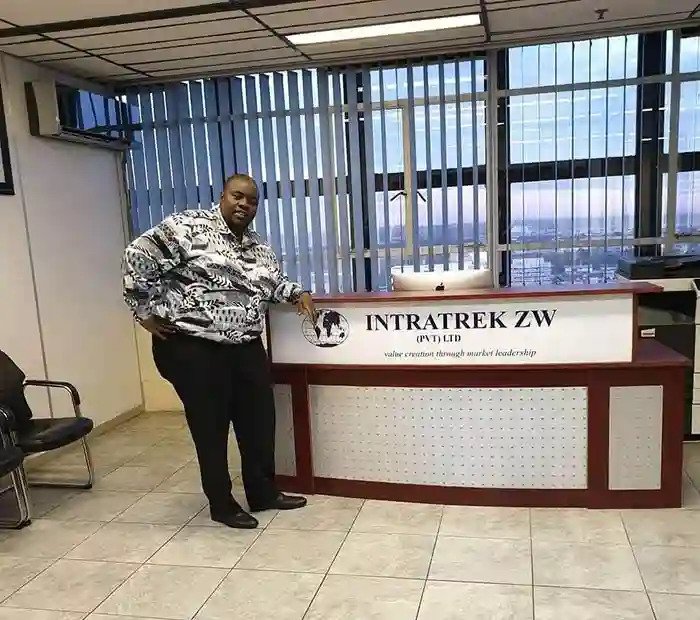
The rise of Wicknell Chivayo, who has died in a helicopter crash, was closely tied to some of Zimbabwe’s biggest and most controversial government deals.
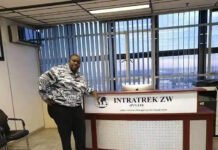
His story starts with a company that existed long before Chivayo became a household name: Intratrek, a company whose foundation was mired in everything from claims of drug running to illegal circumcision tools.
Where Intratrek started
Intratrek, now know more as Chivayo’s company, was founded in 2001 by Ibrahim Yusuf as a commodities company.
Yusuf had a colourful and controversial history. He was named in multiple police affidavits in Zambia as being part of a drug ring. A 2010 Mail & Guardian investigation identified Yusuf as a seller of “pill packages” used by Mandrax smugglers. Zambia’s Drug Enforcement Commission said then that Yusuf “is a well-known drug trafficker”.
A detention warrant for drug dealer McDonald Ngwira claimed at that time that the cartel had imported “two million tablets of a poisonous drug called Methaqualone hydrochloride…popularly known as Mandrax”. Yusuf denied the allegations.
South African media reports in 2010 also said he had “exclusive distribution rights” to the Tara Klamp, described as “a questionable male circumcision device”.
One former associate, Anash Latchman, who worked with Intratrek from December 2006 to late 2007, was quoted as saying: “I found it strange that Intratrek had no employees.” Ironically, it was to be a description that would follow Intratrek in future years.
So how did Wicknell come into the picture?
When Chivayo appeared before Parliament in 2018 over the Gwanda solar project, he said he owned 50% of Intratrek, with Yusuf owning the other half. But Intratrek’s lawyer, Bruce Tokwe, contradicted him at the same hearing, saying Chivayo was the company’s MD but not a shareholder. Still, using his connections, Chivayo appear to have prevailed. And the tenders had kept coming in all the while.
The energy deals
In 2014, Government was looking for projects to help end Zimbabwe’s power shortages. This meant refurbishing old thermal power stations and building a 100MW solar plant.
Intratrek had no track record of building power stations. Instead, with Wicknell at its head, it positioned itself as a middleman for foreign bidders for Zimbabwe Power Company (ZPC) projects, a fact Chivayo proudly boasted about during a Parliament hearing.
The contracts included a US$73 million deal to refurbish the Harare Power Station. For this deal, he partnered Indian company Jaguar Overseas, also his partner in another bigger contract: US$163 million to fix Munyati Power Station
This raised questions; Jaguar had failed to put up the money for the Harare project, but still got the Munyati deal. The State Procurement Board rejected recommendations to retender the deal and went ahead with the award.
There was more for Intratrek, including a US$128 million tender for the Gairezi hydropower project, where Chivayo partnered Angelique International.

The Gwanda saga
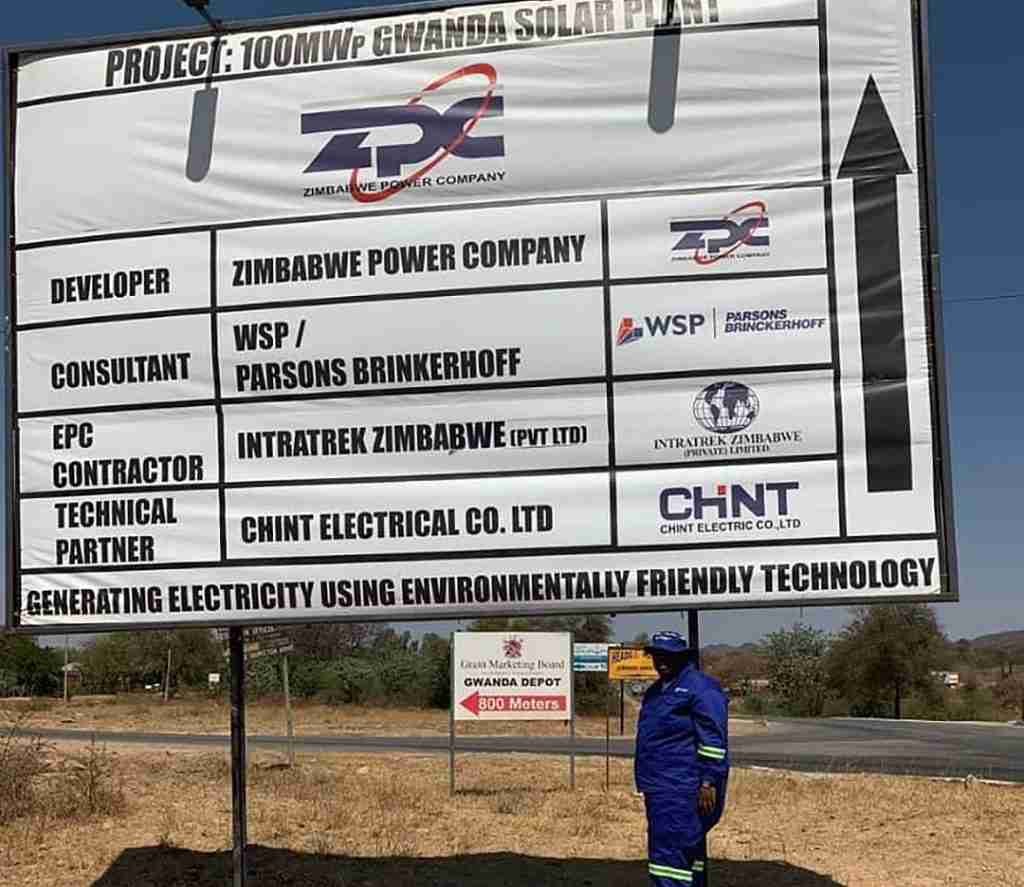
Then came the deal that would become the centrepiece of Chivayo’s tender schemes. In 2014, Intratrek announced that it would partner Green Solar Europa to build the Gwanda solar plant for US$350 million.
When the project went to tender, he partnered another company, China’s CHiNT. China Jiangxi Corporation emerged as the lowest bidder at US$184 million. Then things got complicated. ZPC approached Jiangxi and told it to partner Intratrek, a losing bidder. Intratrek had originally bid US$248 million. Soon afterwards, the State Procurement Board cancelled the Jiangxi deal, citing an increase in its price to US$207 million.
Then, in October 2015, Intratrek was announced as the winner. The contract was initially reported at US$171 million. Two weeks later, at the signing ceremony, the figure had become US$202 million.
The project would go on to spend years caught up in legal and contractual disputes. Intratrek was paid US$5 million upfront to prepare the project, but ZPC cancelled the contract after he delayed work. He blamed Zimbabwe’s sovereign risk for failing to raise money from investors. A recent court ruling has ordered Intratrek to complete the project in 24 months.
Gwanda didn’t produce any power, but it did something else for the attention-loving Chivayo: making him famous.
In one radio interview, when asked how he made his money, Chivayo retorted: “I’m surprised you would even ask me that. Because I’m all over the papers signing big deals. When you see me on ZBC signing a $123 million deal, I mean, that’s not a joke. What it means is that ZPC is going to pay me $123 million, that’s what it means, literally.”
The foreign partners
Intratrek’s choice of foreign partners in those energy deals said a lot about how he did business. There was Jaguar Overseas. It failed to show proof of financing for the Harare power plant, but was still awarded the Munyati contract.
And there was Angelique International, another Intratrek partner. When it won contracts in Zimbabwe with Intratrek, Angelique was under investigation back in India over allegations of kickbacks. Indian authorities raided six of its offices, seizing documents and finding large sums of various foreign currencies.
Still, government defended the deals. Samuel Undenge, the Energy Minister, said the tenders had gone to the best bidders. A Herald report addressing criticism of the use of middlemen said tender winners were “not compelled to demonstrate a track record in execution of energy projects”. They only needed to partner “credible, reliable competent technical partners”. It was hardly an accurate description of Chivayo’s partners.
For Chivayo, however, the energy deals changed everything. He had just come out of Chikurubi prison, serving time for fraud. Now he was walking around Government corridors, with big firms like China’s CHiNT in tow. He had upgraded from convict to the most recognisable face of the Government tender system.
None of the energy projects ever reached project phase, but they helped him sit in front of the tender queue. There would be more deals.
That Starlink post
In 2024, President Emmerson Mnangagwa’s X account announced, over a weekend, that IMC Communications would be Starlink’s exclusive partner in Zimbabwe.
It was the first time the company had been heard of publicly. It did not take long before IMC was traced to Chivayo, operating from a nondescript address at Karigamombe Building. Clearly blindsided, telecoms regulator POTRAZ had to come out and announce that IMC was only one of several approved Starlink resellers, rather than the exclusive partner. The Starlink partnership never took off at the scale planned.
US$400m in medical supplies
In 2025, TTM Global Medical Exports, based in South Africa, was announced as having won a tender to supply medicines and cancer treatment equipment. It emerged that Chivayo was a director of the company. A leaked contract showed that Government would pay US$110 million a year for four years.
The US$20m bank letter
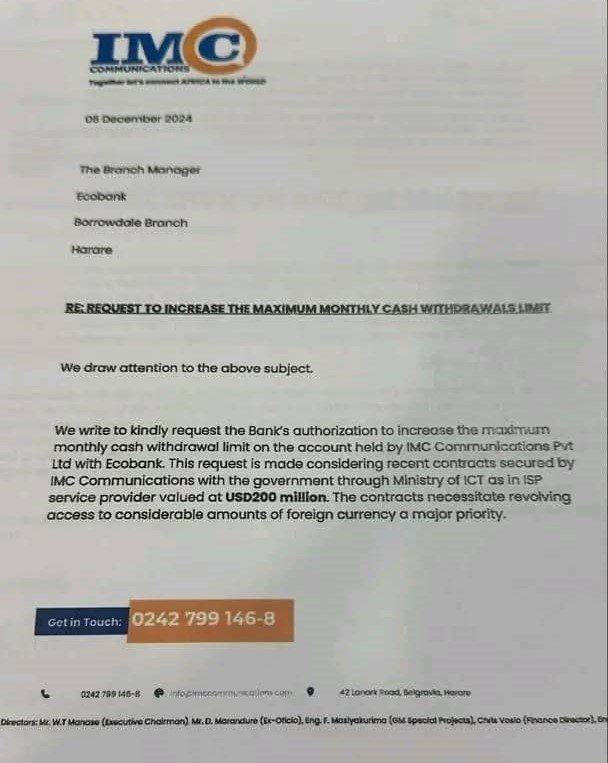
A leaked letter Chivayo wrote to his bankers offered another glimpse into the scale of his Government dealings. He told the bank to allow him to withdraw US$20 million in cash, well above the allowed limit. He said he had won US$200 million in State tenders and needed the money to pay suppliers.
The ZEC contracts
Then came the election-materials controversy. It was reported that Chivayo had won US$40 million in contracts to supply materials to the Zimbabwe Electoral Commission. In a leaked 2024 audio recording involving Chivayo and his former partners Mike Chimombe and Moses Mpofu, Chivayo boasted of other contracts involving everything from the security services to the Immigration Department. In the leaked recording, Chivayo told Chimombe and Mpofu to be patient. Thewre was more money coming, President Mnangagwa treated him as a son.
He told them: “Ndakachibata kuti dzvi” — “I have the President in the palm of my hand.”
ALSO READ |
Power struggle: How corruption and poor planning left Zimbabwe in the dark



