



1991 was the year that the great minds at the World Bank and the International Monetary Fund forced Comrade Robert Mugabe to drink some poison called ESAP (Economic Structural Adjustment Programme). Before that deadly drink affected all of us, Harare’s social scene was buzzing like it was April 1980.
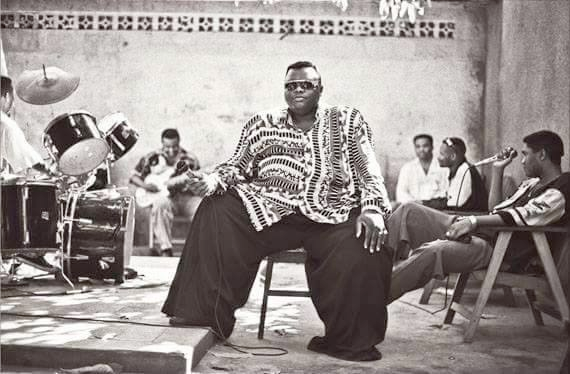
Yours truly had just started working that year, unaware of the economic mischief being plotted by the Bretton Woods bureaucrats in their Washington offices. Two memorable experiences in 1991 stand out, courtesy of the Zim dollar. The first was attending a music concert featuring the late great Congolese soukous singer Pepe Kalle and his band, the Empire Bakuba. Also on the same bill was Kass Kass with its inimitable leader and singer, Passi Jo. Whilst I insist that the show was at the City Sports Centre, supposedly correct records state that Pepe Kalle performed at HICC, Rufaro Stadium and Chitungwiza Aquatic Complex. The talented two-metre-tall and 150kg Pepe Kalle (Elephant of Africa) was the main attraction for the fans. But, for me and my buddy Eugene Marange, Kass Kass proved to be a pleasant surprise. They had the energy and vibe as they chanted:
Kass Kass
Kass Tout!
Inevitably, the band would croon: Passi Jo, Passi Jo mama ye. The Congolese have never been short of self-praise (kuzvidhonza).
My second “great” experience that year was when my friends and I got that now foreign thing called the bonus. Lenzo, Cecil and I took individual Rixi Taxis heading the same direction – from Pensao to the Pint & Bite club at Terreskane Hotel. Lenzo had initially suggested that we take four taxis, and this fourth one would carry our jackets and ties. Being very sensible young men, we vetoed the idea. So, alighting from three different cars into the Pint and Fight (as we called it), we sauntered to join our other partners-in-crime, Chida, Abel and Frank, on the dancefloor as Kanda Bongo Man screamed:
Indé Monie
Indé Monie
Indé Monie eh
If mobile phones and social media were there then, we would have been blackmailed for life.
The kwasa kwasa mania
In an article written in 2014, Professor Fred Zindi asked: “There was a period when we all thought kwasa kwasa had taken over Zimbabwean music, but who talks about Pepe Kalle or Kanda Bongo Man now?”
Well, whilst soukous might have gone under the radar, when it was kicking in Zimbabwe, it kicked with the viciousness of a donkey. It did not just fall from the sky. It crept up on us slowly from the 1970s onwards, and then in 1990, it burst until about 2010. My first encounter with the music that we called Rhumba was in 1978 when the Congolese band The Real Sounds of Africa moved from Kinshasa to Zimunya Township in Mutare. We had never seen a band with so many members. We had grown up being shortchanged by four-person bands that dressed in anything they could put on, even a New Blue Surf t-shirt. The new band dressed impeccably in matching clothes, invariably blue or maroon flared trousers that hugged the waist tightly and long-sleeved cream shirts. The band had a drummer, a conga player, a brass section, singers and guitarists. We peeped through the windows of the Zimunya Hotel as they played, amazed at the set up.
Because the Kenyans and the Tanzanians had stolen rhumba and run away with it, our bands playing at Nyamanhindi Hotel in Dangamvura would play Les Wanyika’s Sina Makossa and Orchestre Super Mazembe’s Shauri Yako. We thought these were Congolese songs. Our bands started adding the word Orchestra to their names – we are shameless like that, but then this language came to our shores by ship.
I first heard the song Mario by the great François Luambo Luanzo Makiadi, or simply Franco to his legion of fans, in the mid-1980s. Resident Zimbabwean bands immediately made it a staple of their playlist. It was only around 1993 that I began to fully appreciate the genius of Franco and his sideman Madilu Systeme. Later, I would get more exposure through soukous connoisseurs like Fortune Sibanda, Mbye Cham and Makaiko Chithambo who would play the most obscure of Franco’s songs.
When imitation is flattery
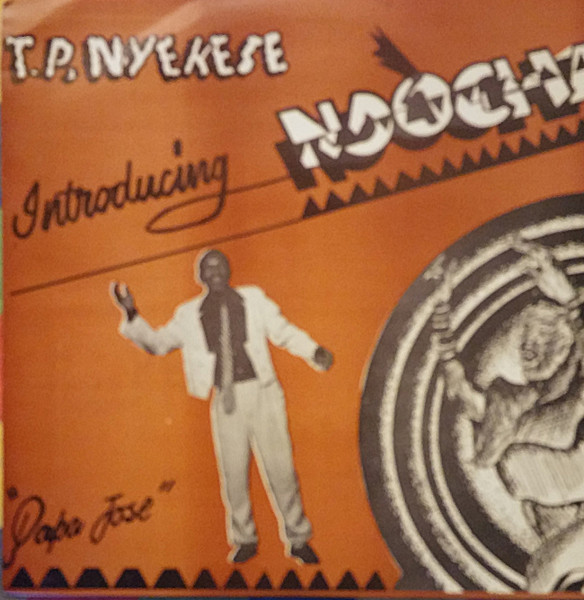
Unlike those other black people of a country we shall not mention, the Congolese have never claimed exclusive rights to their music. Across Africa soukous spawned many imitators. In Zimbabwe, Papa Jose and TP Njekese rocked the dancefloors with Ndochi. My friend Morgan “Moggoman” would make us roll with laughter as shouted a chant the song:
Muvharanda umo!
The one-hit wonder of Papa Jose reminded me of the singer-guitarist Johnny Bokelo, whose soukous hit Sandoka was a heavy, heavy tune. Louis Mhlanga did the song International Rhumba which remains a favourite of mine.
Up in Cote d’Ivoire, the band Magic System gave us Premier Gaou, which was a global hit until YouTube spoiled everything by revealing the lyrics. We were never the same after, as we could not reconcile the danceable beat and the lost love stuff. In Cameroon, there was the Golden Sounds, who in 1986 gave us the hilarious music video Zangalewa Waka Waka. The fun fact was that the band members Jean Paul Ze, Dooh Belley, Luc Eyebe and Emile Kojidie were at that time active members of Cameroon’s presidential guard.
Back in Harare, the opening of Club Chez Ntemba and with the famous Congolese DJ Suke Chile coming through around 2000 seemed to confirm “kwasa kwasa” had fully arrived. I once went into the club with a colleague called Sam who had learn to speak Lingala just by listening to Franco’s music. As incredible as it sounds, Sam would have a conversation with DJ Suke Chile whilst I just marvelled at that. We would listen to a whole variety of soukous – Awilo Longomba, General Defao, Zaiko Langa Langa, Wenge Musica, Papa Wemba and of course, the real successor to Franco, Koffi Olomide. The latter’s album Loi and his music videos redefined the genre – for the better.
Whilst soukous might no longer be blaring at every corner, the genre lives thanks to those who laid the foundation – Franco, Tabu Ley Rochereau, Sam Mangwana, Gaby Lita Bembo, Lokassa Ya M’bongo, Rigo Star M’Bilia Bel, Tshala Muana and others. Some of us still bounce to Fally Ipupa.
Read more from Chris
Africa: an unserious continent that drains your time and energy
Madiro: The death of basic social etiquette