




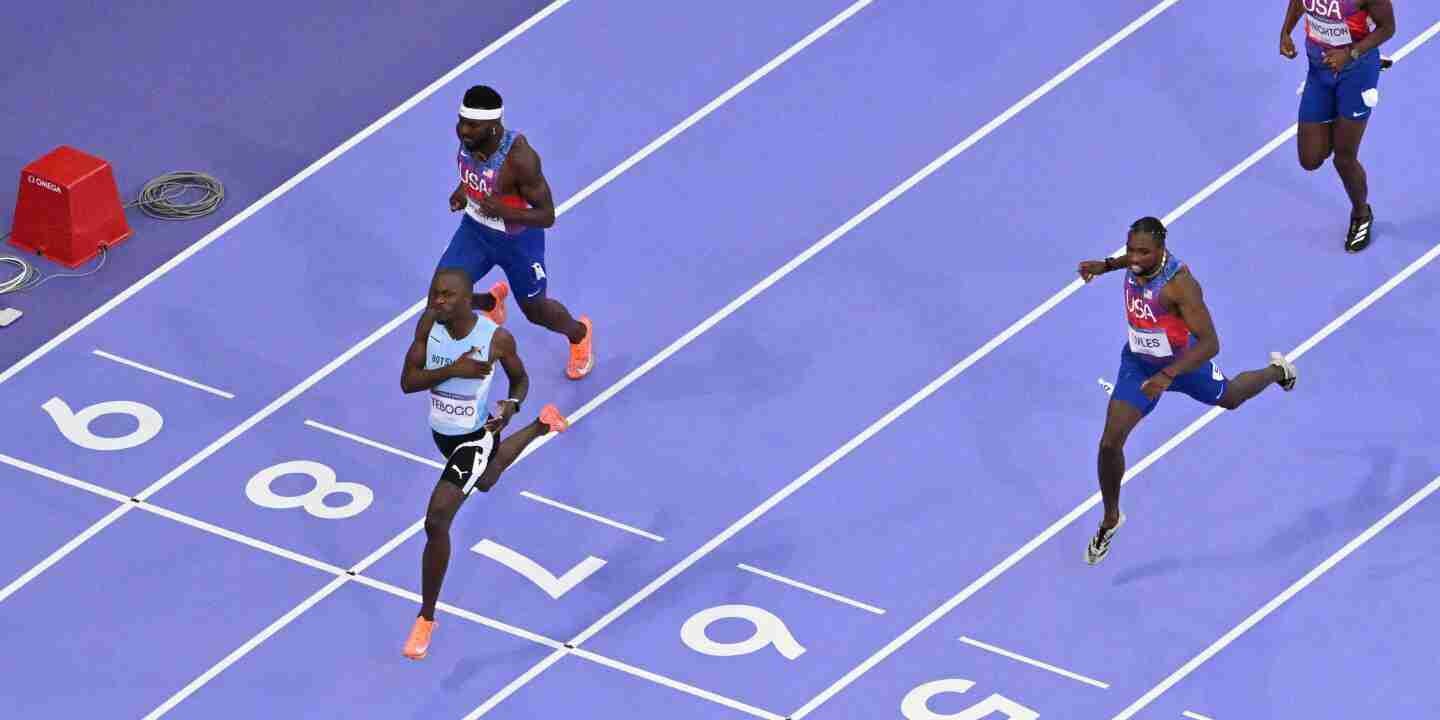
Not a single television network could have scripted the Paris 2024 Olympics. From the controversial opening ceremony that had religious bigots spitting bile, to Uncle Snoop chilling by the horse track in full equestrian dress with fellow felon Martha Stewart in tow. Not to forget American Noah Lyles pipping Jamaican Kishane Thompson for gold in the 100m dash.
Then there was the gymnast Simone Biles’ story – would she bounce back after her withdrawal from Tokyo 2020 due to mental health issues? She answered that question emphatically, winning three gold medals and one silver. There is a reason why she is the most decorated gymnast ever.
We may not forget in a hurry the unintentional meme caused by Turkish sharpshooter Yusef Dikec who won silver doing his thing with one hand in the pocket sans protective sound gear, goggles and all.
There was also the Swedish pole vaulter Armand “Mondo” Duplantis who looked so laid back, with a mischievous look that could have seen him play the villain Lalo Salamanca in Better Call Saul. When his competitors could go no further than 5.90 metres, he chose to jump 6.25 just for control. A real troll.
The usual suspects had written Novak Djokovic’s obituary as they celebrated the arrival of the young Spaniard Carlos Alvarez, but the wily Serbian fox defied Father Time through sheer grit. He got his long-awaited gold medal in men’s tennis after the disappointment of London 2012, Rio 2016 and Tokyo 2020. This one meant more to Djokovic than all the accolades he had accumulated.
But for us in Africa, the biggest story was Letsile Tebogo scooping gold in the men’s 200m with deceptive calmness, in the process silencing the loquacious Lyles. Cometh the moment, cometh the man. You suspected that the spirit of Tebogo’s mother (she died last May) was hovering in that stadium.
Sport and the politics of the nation
Beyond the individuals, there was the story of countries. Having said all sorts of allegations against China over its swimmers, the Western media had to grudgingly give the children of Mao their due in swimming and diving events.
In basketball too, our arrogant brothers in the NBA had been spooked by the rise of the game outside of their country. How could the Germans be called basketball world champions? Noah Lyles had tried to educate them about the difference between the NBA and the Olympics, but the wonderful American-centre-of-the-world mind could not understand this. Like in the Hollywood movies, basketball stars Lebron, Steph, KD and more – had parked their summer holidays to return to the courts and reclaim their pride in what they still view as a quintessentially American sport.
All athletes were proud of their flags, even those whose homeland faces an uncertain future. Among these is taekwondo competitor Omar Yaser Ismail, who declared: “This is all for Palestine. It’s true that we play and fight, but the real heroes are the children of Palestine and the children of Gaza.”
Africans watch and celebrate bits and pieces of glory
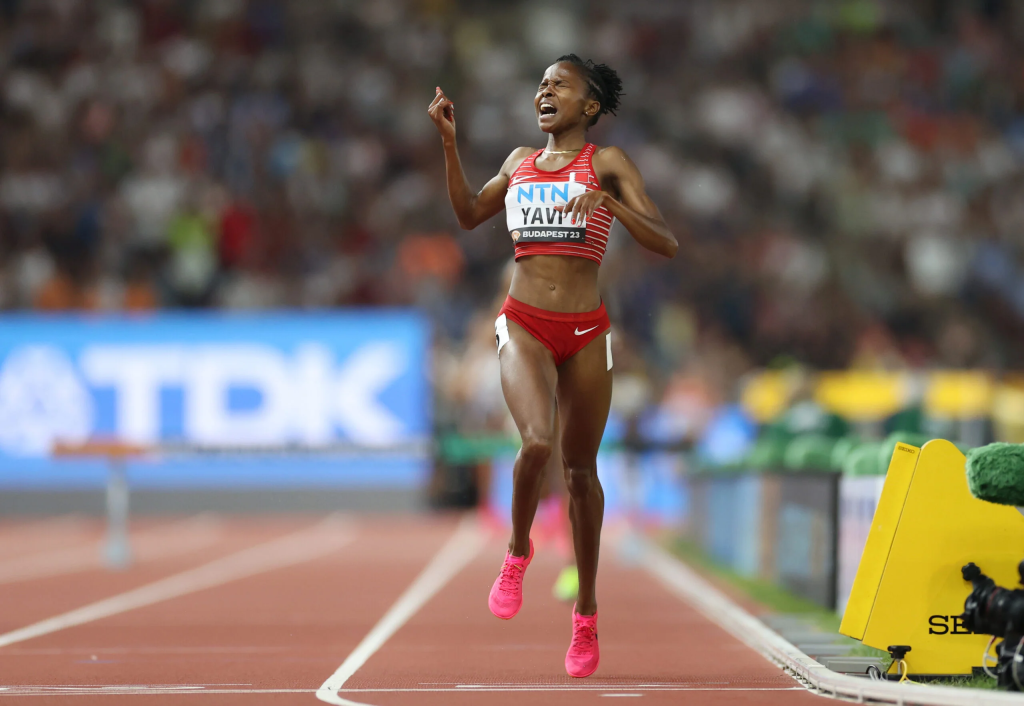
The sentiments of Africans during the Olympics ran the whole gamut of emotions. We celebrated a medal or two here and there. We vented our pain and frustration as our athletes got pipped for a medal. We needed these medals more than anyone – didn’t the world understand that? Especially in our traditional track events. But even here we had to endure results such as when Kenya-born Winfred Mutile Yavi, representing Bahrain, seized gold in a blistering 3000m steeplechase. Uganda’s Peruth Chemutai won silver. It cannot have been a beautiful sight for the suits at Athletics Kenya.
This is why the Tebogo gold medal is such a big, big deal.
When leadership is intentional – a basketball story
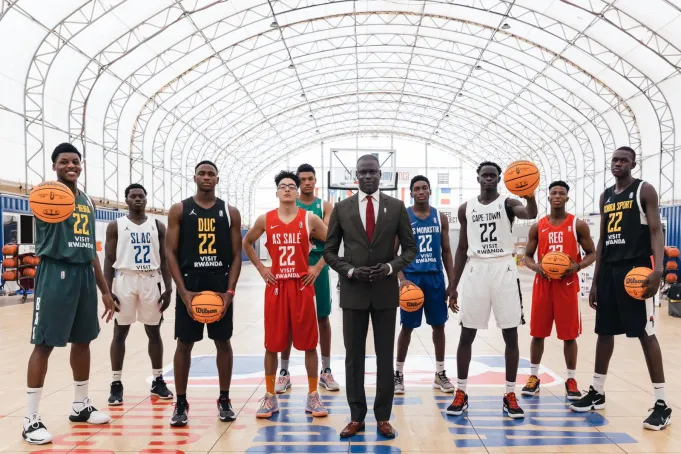
It was no accident that basketball teams from Nigeria (women) and South Sudan (men) basketball did the continent proud. For years, determined Africans had been working to build the ecosystem for basketball in Africa – with support from only two or so national governments in a continent of 55 countries.
On a nippy morning on August 4 2024, an event was unfolding in Johannesburg that was part of this basketball grand plan. The 20th edition of the NBA Africa’s Basketball Without Borders Camp brought together 60 youths (male and female) from 20 countries for an intense four days of training in basketball and life skills (leadership). Past and current NBA and WNBA players and coaches conducted the clinic.
In my interview with NBA Africa CEO, Claire Akamanzi, on the sidelines of the camp, the constant refrain from her was on intentional leadership, that is, being deliberate in setting up structures for basketball that will eventually see our young people nurtured on the continent and playing in African professional leagues. I will write on Akamanzi in a separate article on why leadership matters.
A little island called Jamaica with very big sporting presence
Jamaica has a population of just under 3 million. It is the global home of sprinters whose main competitor, the USA, has some 330 million. Until 2006 or so the top Jamaican sprinters usually ended up at US colleges in order to advance. No longer. The island of Bob Marley has the structures and coaches to produce a steady stream of magnificent talent. What happens after the great Usain Bolt? No problem, we got Kishane Thompson for you. Watch that boy. The Paris Olympics were his first time on the global stage. He will learn and show dem.
The sore disappointment for me was having a 200m women’s final without the Jamaican trio of Elaine Thompson-Herah, Sherickah Jackson or Shelly-Ann Fraser-Pryce. It was the first time since 1980 that no Jamaican had won a medal in this race. Injury gone done us dirty.
Enter Botswana
You suspect that Letsile Tebogo’s amazing global success in the sprints is not an isolated result for Botswana. Something is brewing in that country which has more cows than people. I would love to let loose on the suited thieves across Africa who run our sports associations in a shambolic manner, but for now, let us toast Tebogo and all the African Olympians who have represented us well.



