




It could have been the great Russian writer Lev Nikolayevich Tolstoy (1828 – 1910) who observed: “The particular is universal.” He was referring to how art grounded in local experiences – no matter how provincial – will resonate with the rest of the world because it will contain themes and experiences that other people will relate to.
However, for an artist – whether writer or musician or other – to thrive they need to be rooted in some context or experience. The lesson from Thomas Mapfumo, Dambudzo Marechera and the Bhundu Boys is that once you are uprooted from the context that is your source of creativity your art wanes or is diluted.
Dambudzo Marechera – the fire and the ashes
In 1973, Charles Marechera (before we knew him as Dambudzo) was expelled from the University of Rhodesia after a demonstration and ended up at New College, University of Oxford. He was already becoming a writer. His poem called Pledging My Soul showed a person so dedicated to fighting for the freedom of his people. Professor Musaemura Bonas Zimunya, who was at university then with Marechera, remarked that there was something about Marechera before he left that exile was to take away from him – a warmth, vulnerability and commitment to liberation.
The Marechera returned to Zimbabwe in 1982 as part of a Channel Four documentary produced and directed by South African Chris Austin. In the film, as he is being driven from the Harare International Airport, Marechera says: “I feel like a bloody tourist”. He had come home to a place where erstwhile friends and contemporaries had moved into the civil service, academia and corporate world. Dambudzo wanted to go back to the UK, but there was some mysterious issue with the passport, visa and, maybe, a government not wanting to be embarrassed by their own famous son fleeing his independent homeland. Whatever the case, Marechera became marooned in Harare but never felt he belonged.
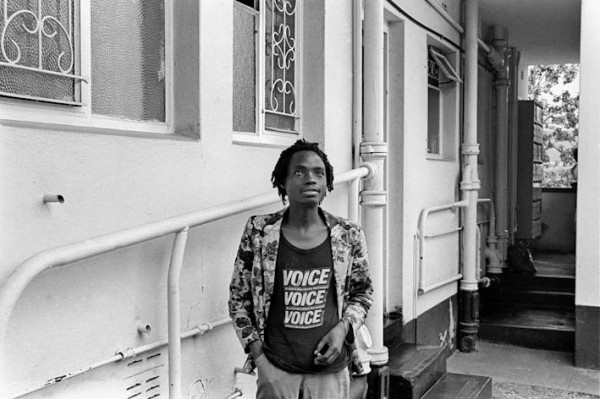
The Marechera who had left his country and the one who returned were different in many respects. The author of House of Hunger short stories had a raw immediacy describing with remarkable nuance the violence of Rhodesia as it manifested itself in intimate and family relationships. The Marechera of the exile years would write the rather forgettable Black Sunlight with its weak plot of a photojournalist recording the actions of a group of anarchists fighting to overthrow a dictatorship.
Thomas Mapfumo – the Lion in Winter
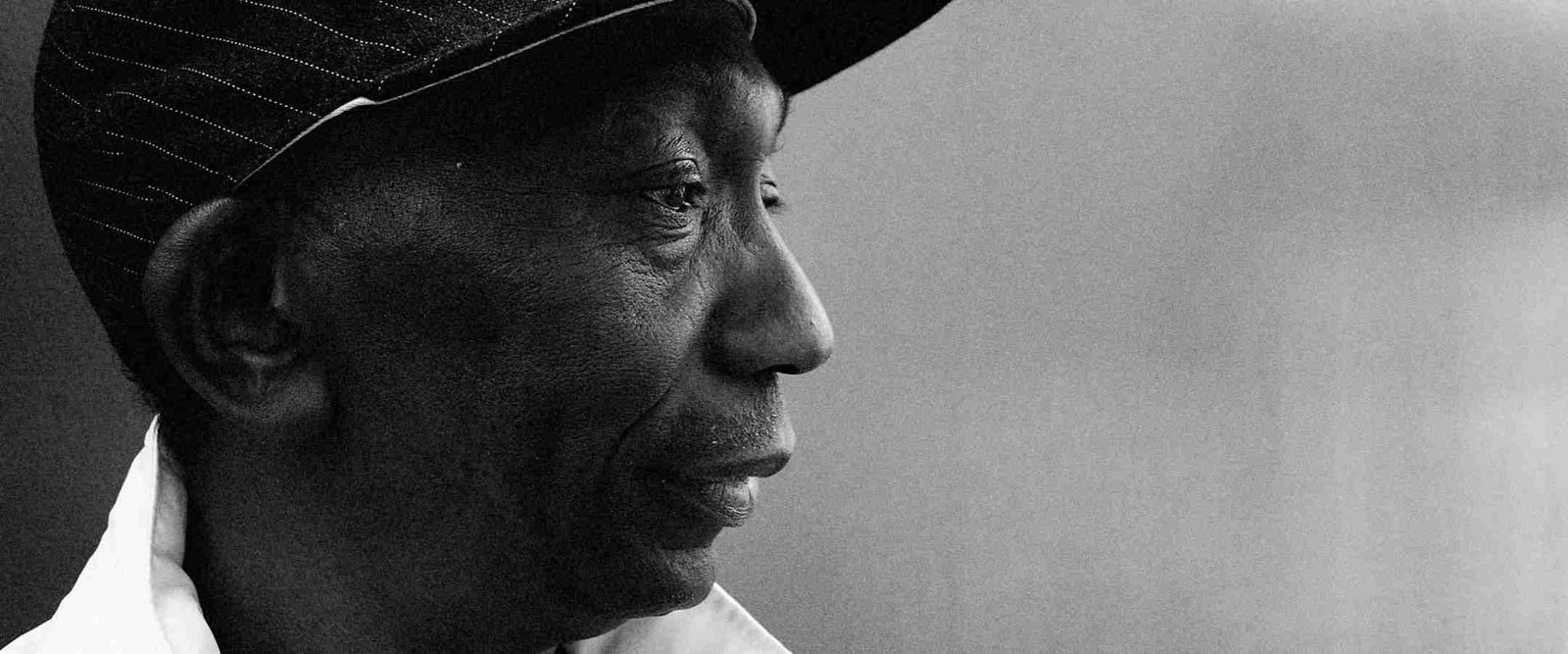
I do not play any recent Thomas Mapfumo songs. He has lost me. But I play nearly all of his older music. We recognise Mukanya as the lead exponent of Chimurenga Music – the music of people’s resistance to oppression and injustice.
To understand the loss of potency in Mapfumo’s music, one can look at four phases in Mukanya’s artistic career, namely:
Phase 1: the early years of American music influence;
Phase 2: growing consciousness of African identity and re-discovery of mbira music and the support for the war of liberation;
Phase 3: ecstatic celebration of independence;
Phase 4: disillusionment with independence and self-exile.
Mapfumo started his music career doing American rhythm and blues cover songs, especially of Otis Redding and James Brown. Just like many of his generation, the fashion, hairstyle (afro) and the music were heavily influenced by rock, soul, jazz and R&B. As the war heated up and the urban centres became sites of struggle, the music changed. It became more local and at the heart of the music was the mbira instrument. Mukanya’s genius was to combine the mbira with electronic instruments and produce a type of music he would call Chimurenga (struggle/resistance). Maurice Vambe, Alice Kwaramba and Banning Eyre have done separate studies that explore the origins of Chimurengamusic and all are agreed that Thomas Mapfumo is the key artist of this genre of music.
In the second phase of his career in mid-1970s, Mapfumo was unambiguous about his position vis-à-vis the minority regime of Rhodesia. His songs Hokoyo, Chipatapata and Kuyaura spoke directly to the condition of the black people – at war, dispossessed, suffering and pleading for respite. The music mirrored the songs that were being composed and sung by the liberation armies and broadcast from outside the country in the period 1972–1979.
I remember hearing Kuyaura being played in “record bars” in the late 1970s. For Africans, the message was clear: the enemy (white Rhodesia) needed to be fought and defeated.
In the third phase of Mapfumo’s artistic development, he celebrated the birth of the new Zimbabwe in 1980. His songs then chided those who had been defeated, celebrated the triumph of the guerrillas, the resilience of the people, and urged all to work to build a prosperous nation.
But within eight years of independence, Mapfumo’s music would enter into a third phase. In 1988 the country was shaken by a newspaper’s corruption investigation into how government ministers were buying scarce new vehicles from the country’s sole motor vehicle manufacturer and re-selling these at inflated prices to the public. The ministers were getting a special price for these vehicles at a time when ordinary people and companies could not import or source locally new vehicles because of government restrictions. This would be dubbed the Willowgate Scandal, and it would claim the scalps of several ministers including one who committed suicide.
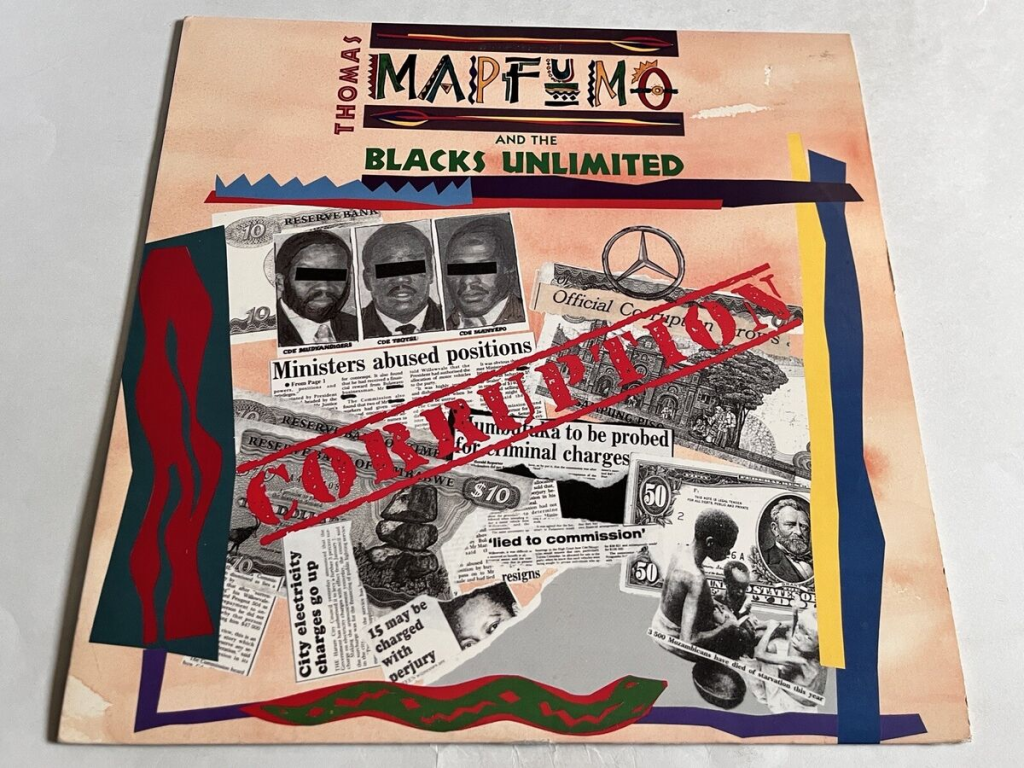
Mapfumo released Corruption, a song that would become a major hit. It was clear the singer was becoming disillusioned by the apparent setting aside of the promises of the pre-independence movements. Political office was now a sure route to enrichment.
Mapfumo still thought at this stage that he could appeal to the conscience of the political leaders and the people to do the right thing, and this was the appeal he made in Varombo kuVarombo. This is an artist concerned by the widening social gap between the rich and poor.
If the Mapfumo of this phase still believed that one could appeal to the leadership of the country to intervene and ameliorate the social problems of high food prices, unemployment and corruption, the events of 1999 onwards would disabuse him of that. With the ushering in of ZANU PF’s Third Chimurenga and its devastation of the economy, while closing the democratic space, the reality was clear that political leadership had betrayed the people. Mapfumo’s song Nhamo Zvakare is direct in its accusation:
Baba namai takakunyeperai
Zvatakabva kuhondo
Tikati rugare rwauya
Nokuperavo kwehondo
Nhamo yauya vakomana
Nhamo yauya vasikana
Nhamo yauya iwe
Going into self-exile in 2001, Mapfumo lost the context that would inform his mission against injustice. His music too began to change – at times due to strategic considerations of maintaining a large band and also due to experiments with white musicians. Twenty-four years later, Mukanya remains a legend but certainly based on his past catalogue rather than on recent material. In the same way, the legend of Marechera is based on House of Hunger rather than on post-independence work such as Mindblast.
Context is key for an artist. It is the source of relevance.
READ MORE from Chris Kabwato
Mutengesi – a short history of the African sellout
‘Boy, where’s my change’: A lesson in accountability from our mothers to our leaders
Voodoonomics: ZANU PF’s decades-old economic policies



