



When Namibia holds national elections on Wednesday, the main fight will feature three candidates with ties to the ruling party, SWAPO, which has led the country since independence in 1990.
After surprise election results in South Africa and Botswana, and a disputed poll in Mozambique, Namibia’s election is being closely watched across the region. Namibia is an upper-middle-income country. However, it is the second most unequal economy in the world after South Africa, according to the World Bank. Unemployment, worsened recently by COVID-19, is also a major election issue.
In the election, Namibians are voting for Members of Parliament and the President, who needs 50% + 1 vote to win. The race will be the most competitive since 1990, according to Namibian media, and some predict a runoff.
Meet the main candidates in the election.
Netumbo Nandi-Ndaitwah: Selling continuity
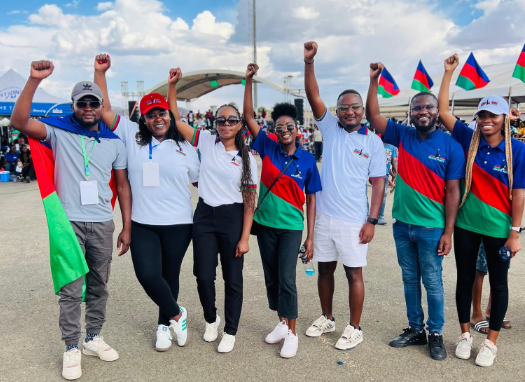
Known as NNN, Nandi-Ndaitwah is the SWAPO candidate in the election. She is the country’s Vice President, and an old veteran who has been part of government since 1990. She has previously served as Minister of International Relations, and was picked to be the party’s candidate in March 2023.
She is running on a platform of “continuity”, saying SWAPO has delivered democracy and economic progress to Namibia, one of the most stable economies on the continent. She has promised to spend US$4.9 billion over the next five years on programmes to create jobs. SWAPO won 60% of the recently held special vote – in which civil servants and Namibians abroad vote.
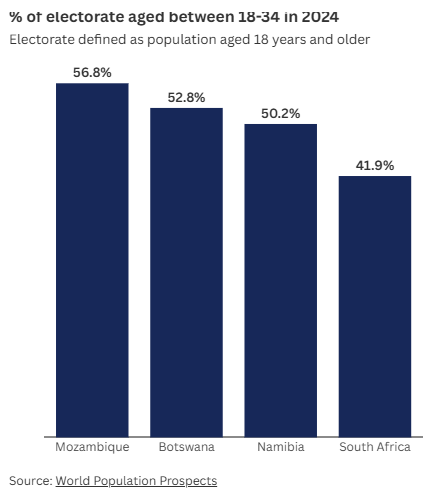
At 72, age is not on her side in a country with a young electorate. Over half of the population was born after independence. Her party has also been accused of corruption and failing to deliver on basic services.
Panduleni Itula: Former SWAPO, second time lucky?
Born in 1957, Itula poses the biggest threat to SWAPO. He is former member of the party, who once served as a lecturer at the SWAPO party school.
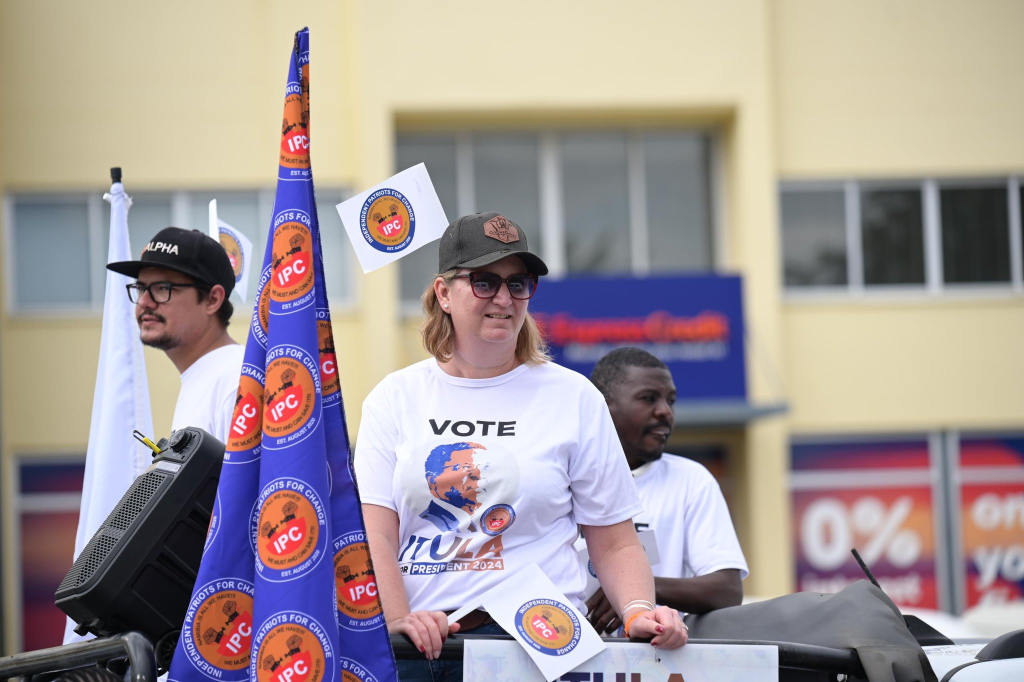
In 2019, Itula sought to be SWAPO’s candidate in elections that year, but the party stuck with Hage Geingob. Frustrated, Itula stood as an independent. He came second, shaving off a significant chunk of support from his old party. SWAPO’s presidential vote came down from 87% in 2014 to just 56% in 2019, with Itula winning 29%.
For his “disruptive behaviour” in standing against the party’s candidate, Itula was fired from SWAPO in 2020. He then formed his own party, the Independent Patriots for Change (IPC). In the recent special vote, the party won 27%. In his campaigns, he is focusing on fighting corruption, addressing unemployment, and the need to end SWAPO’s long rule.
Job Amupanda: Radical transformation
Amupanda, aged 37, is a former youth leader in SWAPO and served as Windhoek Mayor from 2020 to 2021. He leads the Affirmative Repositioning party, made up of activists who broke away from the SWAPO youth league. Amupanda was expelled from SWAPO in 2014.
Amupanda, a politics professor at the University of Namibia, is campaigning on a radical leftist platform, pushing for economic empowerment of the black population and bigger State spending on social services such as housing. He is targeting the large youth vote. Voters born after independence make up over half of the country’s three-million population, which has an average age of 21.
McHenry Venaani: Another chance for change?
Venaani, aged 47, is the leader of the Popular Democratic Movement (PDM). It is the official opposition in Namibia, with 16 seats in Parliament.
The party has its roots in the Democratic Turnhalle Alliance (DTA), a pro-apartheid party formed in 1977 to counter SWAPO. Venaani renamed the party to PDM to shed its colonial ties and appeal to modern voters.
___
In 2019, Venaani was a distant third behind Geingob and Itula, but his party won 16 seats in Parliament and became the official opposition. He is campaigning for change, and his ‘One Namibian, One Plot’ proposal to turn slums into formalised settlements.



