









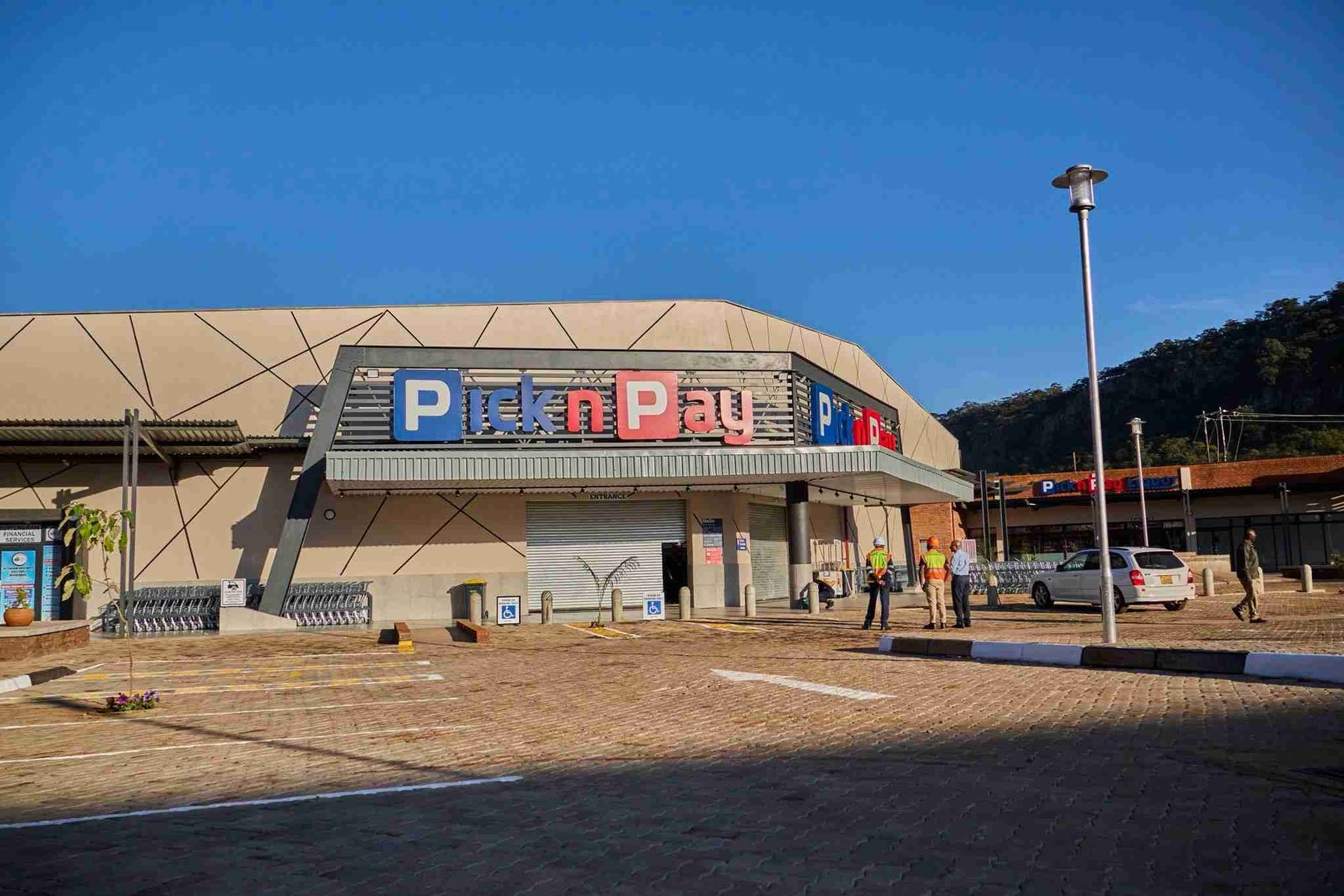
Pick n Pay says business is finally picking up again, after the government dropped a damaging law that had forced formal retailers to stick to the official exchange rate.
Formal retail is now at a “turning point”, Pick n Pay says in its latest annual results to February, pledging new investments targeting mining towns and refurbishments of existing outlets. Sales volumes were flat last year, taking a hit from exchange rate distortions that made prices in tuckshops more attractive.
“Units sold grew by just 1% for the year,” the company reports. Sales volumes fell 19% in the first quarter, grew 24% in the second, rose 8% in the third, before slipping 3% in the final quarter.
The reason? “Authorities controlled the in-store exchange rate throughout the year, whereas informal players used higher exchange rates aligned with the parallel market”. This allowed informal traders to offer lower prices in USD, bleeding supermarkets across the market, including OK Zim and Spar.
That changed earlier this year when the government repealed SI 81A through SI 34 of 2025. USD sales, which made up just 23% of total sales last year, have now crawled up to 32%. “Unit sales volumes rose by 8%, reflecting sustained consumer demand,” Pick n Pay says.
Last year, Pick n Pay shut down three stores in Chegutu, Harare Street and Southwold. It opened one in Hogerty Hill. The company is back in expansion mode. A new branch opened in Shurugwi, and more are on the way. The focus is on “high-potential stores in mining towns, liquor category development, and fixing supply chains for remote areas”.
There’s also a big move coming in Bulawayo. Pick n Pay’s property arm plans to develop what it calls “the city’s largest mall of its kind”, with over 220 small shops, food outlets and office space. Says the company: “The tenant mix will include a combination of smaller businesses, which generate higher rental yields, and key anchor tenants such as TM Pick n Pay and KFC.”