

For years, Zimbabweans have had to pay ZBC licence fees, grudgingly. Now, a new law makes it mandatory for motorists to have a valid ZBC licence before renewing vehicle licences or getting car insurance, sparking widespread backlash. Drawing on his experience at the BBC World Service, journalist Stanley Kwenda argues here that the real issue isn’t just how to fund ZBC, but how to reform it into a broadcaster that truly serves the public.
___
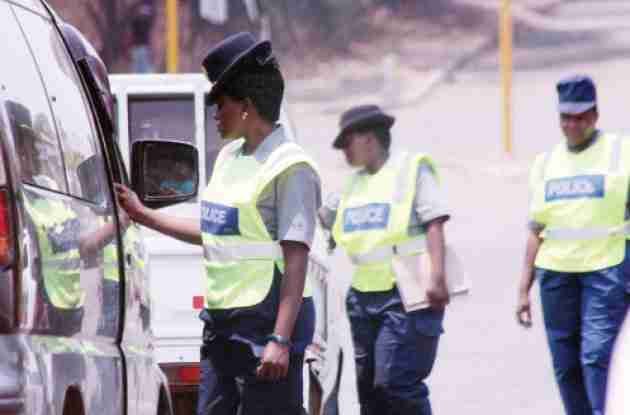
A passionate debate has been sparked by a controversial new law that requires the country’s 800,000 insured motorists to contribute $92 a year to fund the operations of the Zimbabwe Broadcasting Corporation (ZBC).
While this decision has been met with some resistance, it is crucial to examine it through a broader media and arts industry viability perspective.
Public Service Broadcasting (PSB), in its purest form, plays a crucial role in democracy and nation-building. Without PSBs, democracies die. Creatives won’t thrive. Many countries support their public broadcasters through either licence fees, government funding or commercial advertising. Some nations employ a hybrid model, combining government grants with commercial advertising.
The United States is an example of these hybrid models, using a mix of state and federal grants alongside commercial advertisements and foundation donations. While this funding approach is progressive, it faces challenges, such as potential bias and influence from donors.
There’s also a risk of political instability with this funding approach. Take, for example, what Donald Trump has done to Voice of America (VOA), Public Service Broadcasting (PBS) and National Public Radio (NPR). This devastation literally collapsed the operations of these public information services. Justifying his political manoeuvres, Trump argued that these platforms were not playing a truly public role and were siding with certain political views over others. We can argue over that, but the fact that significant private funds are bankrolling the operations of these institutions gave Trump an excuse. That’s why, in my own opinion, direct public funding is essential.
In South Africa, innovative strategies are continually being explored to address funding challenges facing the South Africa Broadcasting Corporation (SABC). Media consumers there no longer see licence fee payments as a legitimate civil duty.
In fact, only 20% of TV licence holders actually pay their licences. People argue that they now access media content through other means and see no need to pay an SABC licence. SABC has now resorted to threats to try and force compliance. Recently, there was also a rumour that it was going to introduce a mandatory car radio licence fee, but those rumours have since been dismissed.
Acknowledging that no system is perfect, it’s crucial to recognise that public funding offers PSBs the opportunity to achieve financial independence, thus reinforcing democracy and fulfilling their public mandate.
A true voice of the people
Admittedly, ZBC hasn’t exactly excelled in its role. Yet, many of us born in the 1980s remember its significant public role before political interference set in at the instigation of You-know-who, in the early 2000s. The focus should not solely be on funding mechanisms, but rather on how the institution fulfils its public responsibilities.
A PSB must represent the voices of its constituents. All 800,000 car licence fee contributors, irrespective of whether they belong to Zanu PF, the Citizens Coalition for Change (CCC), the Movement for Democratic Change (MDC), or any other political party, deserve representation on the national broadcaster.
ZBC must reflect the diversity of its licence fee paying audience, encompassing voices from across the political spectrum. This requires impartiality and an effort to dispel allegations of being an extension of Zanu PF. The essence lies in addressing the corporation’s conduct over the past decades, which has not met the needs of Zimbabwean audiences nor its stated role as a PSB.
While supporting the idea of funding ZBC through taxation, it is essential that ZBC serves the public interest impartially.
Critics may argue that a licence fee won’t eliminate political interference. So, what needs to change? A concerted political effort is required, involving pressure from media interest groups, journalists, citizens, civil society, and most importantly, parliament. A boycott of ZBC won’t serve our interests as citizens in the long run.
Part of this money must be used to set up and fund an independent body to specifically monitor ZBC output. This body must ensure that Pockets Hill lives by its mandate and holds it accountable if it doesn’t fulfil its mission, much like what the Office of Communications, or OFcom, does in the United Kingdom.
_____
ZBC: Funding and output
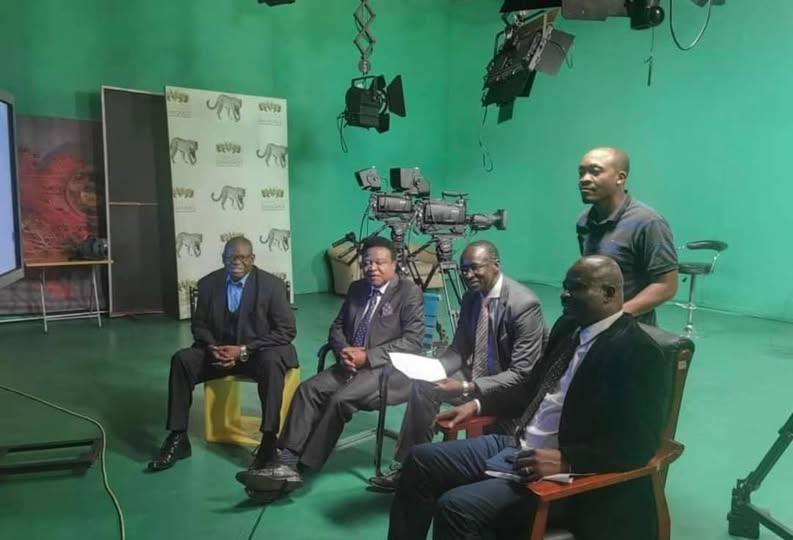
Reporters on ZBC often appear ill-equipped, reflecting insufficient resources for quality content production while trying to appease political pressures. This points to the need for a monitoring body. Adequate funding can modernise and equip ZBC, attract diverse talent, and help Pockets Hill deliver a genuinely public-focused mandate.
Globally, political coverage on publicly funded outlets is contentious and demands that leadership be empowered and fully understand their mandate, employing both hard and soft skills to navigate these challenges.
ZBC excels in many areas, but struggles with news and current affairs, which damages its relationship with citizens. This fragile relationship can only be mended by delivering impartial news and information, providing diversified political views and analysis. Employing top-tier journalists and ensuring their welfare is adequately met creates a work environment resistant to commercial or political pressures.
These are universal challenges in the industry, requiring practitioners to prioritise audience interests.
Reviewing our media platforms might suggest that politics is the only subject worth covering by our media or that Harare and Bulawayo are the only places that should receive coverage. This creates what is known in media parlance as “news deserts”, a situation when an area doesn’t receive media coverage by either print, broadcast or online platforms. This means little or no access to information for people in these communities. Can you imagine what that does to our quest for democracy?
A public broadcaster is vital for broad national coverage and addressing the problem of news deserts. This is why we all need to fund ZBC.
Building an impartial ZBC
With a projected budget of $73.6 million, based on the number of licensed vehicles on our roads, ZBC will have a big enough war chest to compete with the new technology-based platforms. This also presents an opportunity to harness the power of a PSB to foster a robust creative industry that benefits not only ZBC but also content creators, musicians, actors, filmmakers, and others in the cultural sector.
In the UK, the BBC has earned its reputation as an impartial broadcaster by offering content that educates, informs, and entertains without bias, supported by licence fee funding. BBC Studios, its commercial arm, now produces content for distribution and contributes to the thriving arts ecosystem, selling some blockbuster productions to platforms such as Netflix.
To sustain such operations, each UK household pays £174.50 a year. This license fee ensures freedom from advertising and independence from shareholders, and political interference and influence.
The license fee facilitates employment creation, not merely expending money. BBC operations significantly impact the UK economy, generating £2.63 for every £1 invested through artistic and media product production.
In Germany, everyone must pay €18.36 per month in licence fee to benefit from public broadcasting, whether they actually use the services or not. Public service broadcasting contributions are regulated by the Public broadcasting State Treaty.
This approach is often taken to support PSBs whose other role is to enhance a country’s international reputation by offering a trusted global news service and promoting cultural exchange. Think of the royal events in the UK. Often, such events are more of a cultural exhibition that benefits the country through downstream benefits in tourism rather than a media commercial draw card.
ZBC can be the catalyst for reviving Zimbabwe’s creative sector, with the license fee serving as a pathway to that realisation. This is a public good that we collectively own. We should help fund it.