


Zimasco, one of Zimbabwe’s largest ferrochrome producers, has been placed under corporate rescue after papers filed by controversial businessman Shepherd Tundiya claimed the company owes creditors over US$77 million.
Tundiya says his company Avim signed a 2017 agreement with Zimasco to source coke peas—used to fire up furnaces —from South Mining in Hwange. However, he alleges that Zimasco failed to honour the deal.
“Had Zimasco not breached the agreement, Avim would have delivered 288,000 tonnes of coke peas at US$270 per tonne between August 2, 2017, and August 1, 2023,” Tundiya told the court. He claims Avim suffered US$17.3 million in damages from August 2017 to February 2019, and US$50.2 million from March 2019 to August 2023.
A note from the Master of the High Court says Zimasco has debts of US$77 million. Court papers cite liabilities to suppliers, ZIMRA, ZESA, and its workers.
Tundiya argued that Zimasco’s refusal to settle its debts makes corporate rescue, rather than liquidation, necessary. The court agreed, appointing Wilson Manase as corporate rescue practitioner last Wednesday. This places Zimasco under administration, preventing creditors from suing.
Tundiya suggested that Zimasco, owned by China’s Sinosteel, should be handed to new investors.
“I am aware that there are potential investors targeting chrome mining due to the spike in demand. Investors with equity financing can be brought on board,” he said.
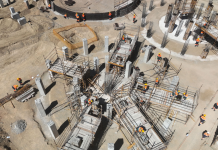
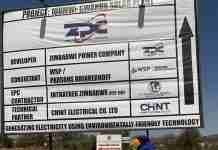
The corporate rescue action comes at a time Zimasco has been looking to expand operations, with plans including new furnaces and a 100MW solar plant in Kwekwe. The company commissioned a new furnace in December 2023 and has committed to redeveloping its mining assets on the Great Dyke.
Zimasco produces 70,000 tonnes of ferrochrome per year. However, it has shut down its furnaces repeatedly over recent years due to unstable ferrochrome prices and high power costs.
Despite his legal victory, Tundiya has a controversial history. In 2018, an audit accused him of leveraging political influence to push out a contractor from Hwange Colliery. Another report tabled in Parliament alleged he owed Hwange Colliery US$481,000 for coal deliveries paid in advance.
In 2019, contractor JR Goddard told a court that Tundiya attempted to blackmail him into dropping charges against four MPs accused of soliciting a bribe in exchange for a coal mining contract. Tundiya was later acquitted. In 2020, a magistrate and court clerk were arrested for allegedly releasing two stolen vehicles to Tundiya.
__



