










By Takunda Murudzwa
The route proved potentially viable, but the choice of operating partner may have proved Air Zimbabwe’s undoing.
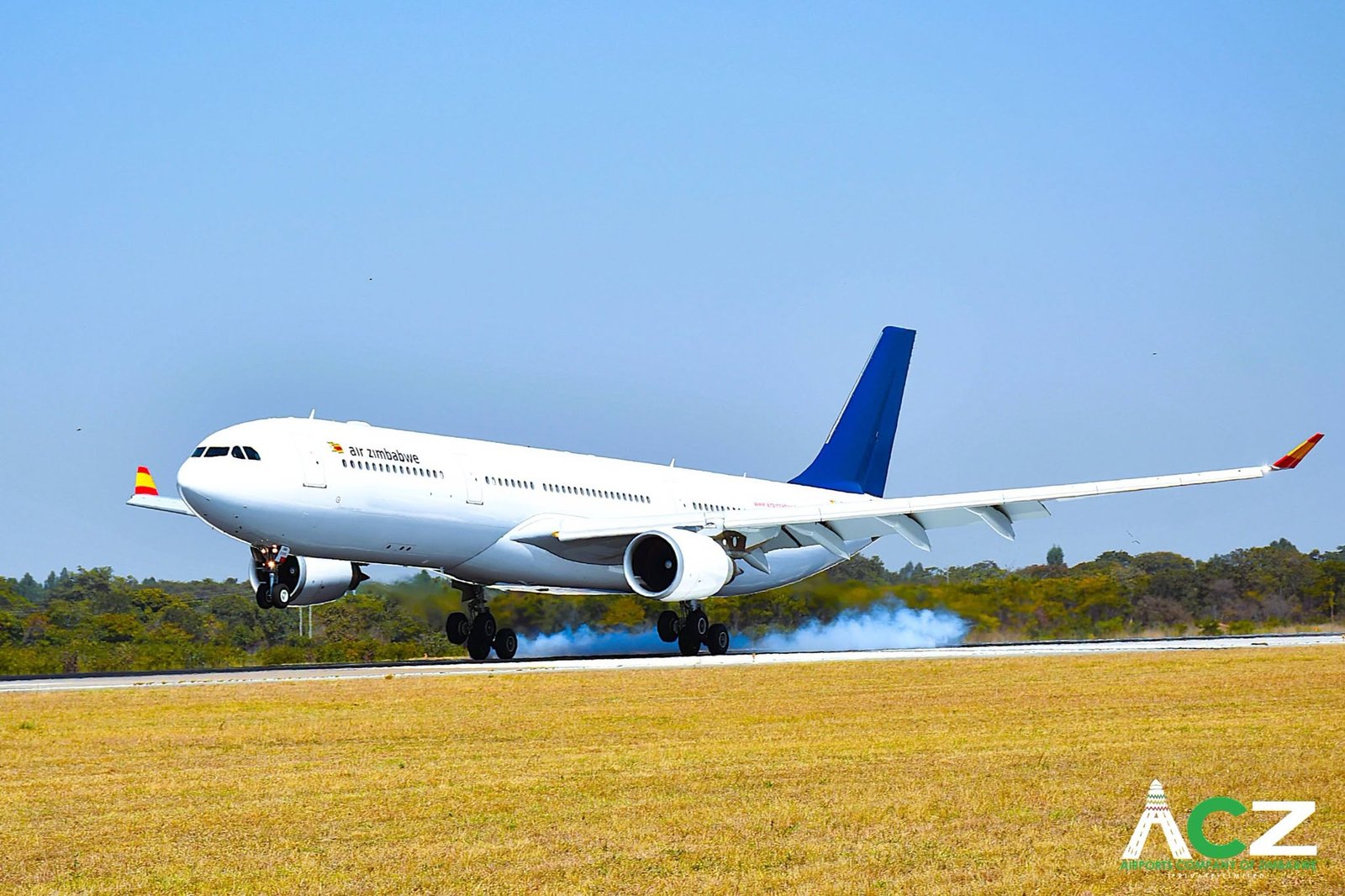
Air Zimbabwe’s Harare-London route had proved popular since it relaunched in July 2026, ending a 14-year break.
The data for the route was strong before Air Zimbabwe took flight on the route. It was not guesswork. Sabre Market Intelligence showed that around190,000 passengers travelled between Zimbabwe and the UK in 2025, including about 108,000 on the Harare–London city pair. Many had to use connecting flights through hubs such as Addis Ababa, Dubai, Johannesburg and Kigali.
An Airbus study commissioned in 2024 identified Harare–London as Africa’s most significant unserved international route, based on passenger demand. Traffic had grown to 110,900 passengers in the 12 months to September 2024, up from 84,800 in 2019. Qatar Airways alone carried about 21,800 passengers on the city pair in the 12 months to September 2024.
Airbus estimated that the market could support up to six weekly return flights using a wide-body aircraft with around 250 seats.
The numbers made sense, and Air Zimbabwe proved it practically. Earlier in November, Air Zimbabwe had a 95% load factor, according to data from airline tracker platforms. This meant that 95% of available seats were occupied. Encouraged by the high demand, the airline only recently announced plans to add another flight to meet demand ahead of the Christmas season. But Air Zimbabwe relies on Spain’s Plus Ultra to provide the aircraft, crew, maintenance and insurance under a 13-month wet-lease agreement. Now Plus Ultra has suspended its scheduled passenger services and is restructuring its operations.
The airline’s troubles did not start yesterday. Plus Ultra had a history of financial losses dating back to its establishment in 2015. In 2021, it required a €53 million bailout from the Spanish government to remain afloat during the Covid-19 crisis.
That rescue did not resolve its underlying financial vulnerabilities. The airline subsequently struggled to meet repayment obligations on its state-backed loan and entered discussions with creditors over its debts. In the first half of 2026, it reportedly recorded losses of €31 million. It was also cutting routes and scaling back operations before suspending its last remaining scheduled passenger service over recent days.
These were not minor warning signs. By June 2026, when Air Zimbabwe signed its 13-month agreement with Plus Ultra, the Spanish carrier already had a history of sustained losses, had required a substantial taxpayer-funded bailout and was facing difficulties servicing its debt.
In other words, the financial vulnerabilities were already part of the airline’s track record. They should have triggered serious questions about its financial resilience, ability to honour a long-term operating commitment and capacity to provide continuity on a strategically important route. This raises an uncomfortable question: how thoroughly did Air Zimbabwe assess the financial health and operational sustainability of its chosen partner before signing the agreement?
It was always a long way back for Air Zimbabwe. Financial accounts reported in 2026 show the airline narrowed its net loss to US$7.12 million in 2024 from US$10.44 million in 2023 on US$10.74 million in revenue, but still requires shareholder funding to sustain operations. The Auditor-General’s last report shows that current liabilities exceeded current assets by US$26 million.
Air Zimbabwe has proven that the London-Harare route can work. What it needs now is a more reliable operating partner. Better still, it needs to rebuild its own operating capacity, whether through owned or leased aircraft, rather than leave an important international route dependent on the financial fortunes of another airline.
The London route has demonstrated that demand exists. Air Zimbabwe must now demonstrate that it can sustain it.
That requires a stronger fleet strategy, reliable operations and, above all, much more rigorous due diligence when selecting strategic partners.
Takunda Murudzwa is an economic analyst and aviation enthusiast



