








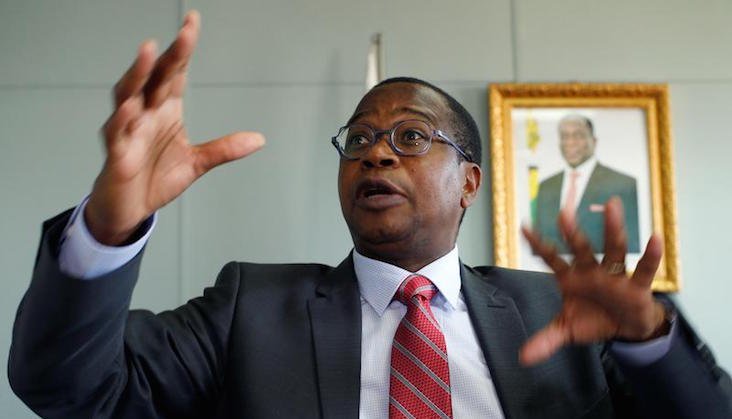
Zimbabwe has asked the World Bank to help mobilise concessional financing to clear its arrears to international financial institutions by March 2027. But Finance Minister Mthuli Ncube says Government may have to turn to more expensive commercial borrowing if cheaper funding falls short.
Zimbabwe’s public debt stood at US$21.7 billion as at June 2026, including US$11.7 billion owed to external creditors. External arrears and penalties account for US$8.3 billion of that debt.
In a November 10 letter to World Bank Managing Director of Operations Anna Bjerde, Ncube said Government is looking at both financing options to meet its March deadline.
“The people of Zimbabwe have been shut out of development financing for 26 years, and the Government is resolute in its goal of clearing its arrears to IFIs (international financial institutions) by end-March 2027, even in the event that full concessional financing is not available,” Ncube writes.
Government plans to visit London, Paris and Berlin this month to find a financing partner for a bridging loan. It will also engage Algeria. A bridging loan is short-term financing used to meet an immediate funding need while longer-term financing is being arranged. For Zimbabwe, it could help clear the arrears by March while Government continues looking for cheaper, longer-term funding.
Ncube was clear about the alternative if concessional financing does not come through.
“If full concessional financing is not available, the Government of Zimbabwe will resort to commercial financing to fill any remaining gap.”
Concessional loans generally have lower interest rates and longer repayment periods, while commercial loans are usually more expensive. Turning to commercial lenders means Zimbabwe could pay more to clear its arrears and face higher repayments in the years ahead.
However, Treasury calculates that clearing the arrears could help restore Zimbabwe’s access to international development financing after nearly three decades. That could open the door to funding for infrastructure, energy and other development projects. Government has had to fund these projects through its own budget, racking up more than US$1.3 billion in debts to local contractors.
newZWire/Agencies



