









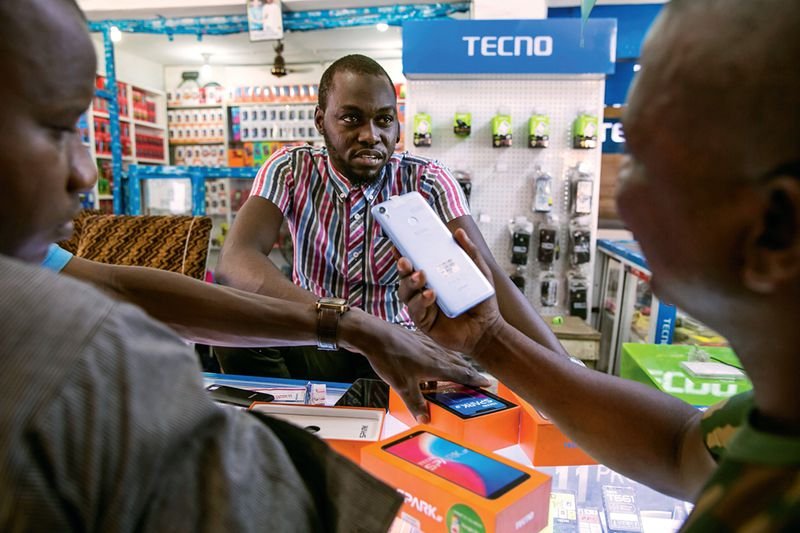
You have finally saved enough to buy the smartphone you have been eyeing for months. The price looks good, the phone looks impressive, and the box carries the logo of a well-known international brand. You pay, take your phone home, excited to start using WhatsApp, watch YouTube videos and catch up on TikTok.
But the excitement soon fades. Something is wrong with your new phone. Your favourite apps take forever to open. WhatsApp freezes. You try to watch a video, and YouTube crashes. What looked like a bargain has become an expensive disappointment.
You may have bought a counterfeit phone.
It is a problem worth understanding, especially for anyone buying a new or second-hand handset, or sending one home to family.
Counterfeit phones are devices made to imitate genuine brands. They may look like the real thing, but they do not perform the same as original products. Some claim to be smartphones, but they struggle to run data-heavy services such as WhatsApp, YouTube and TikTok.
These fake phones are sometimes wrongly called “grey phones”. A grey phone is a genuine device imported outside official distribution channels. A counterfeit phone, on the other hand, imitates a real brand.
So, what should you as a buyer look out for?
Start with the basics. Check the spelling of the brand and model name on the phone and its box. Look for packaging that looks poorly printed or inconsistent, and compare the specifications advertised with what the device actually offers. Logos, fonts and labels should also be consistent across the phone, packaging and paperwork. Ask for a receipt and warranty information and insist on inspecting and testing the phone before payment.
The accessories deserve attention, too. Chargers, cables and earphones that are made to look original but appear flimsy may be another warning sign.
Another check is the phone’s IMEI number, which is a unique identifier of every device. Make sure the number matches with the number on the box or device label by dialling *#06#. Remember, an IMEI check is only one part of the verification process. A matching IMEI number does not on its own prove that a phone is genuine. An IMEI mismatch should be treated as a warning sign that needs you to make more checks.
Then consider the deal itself. If the price seems too good to be true, then it probably is a counterfeit phone.
Check before you buy
Econet wants customers to have the best customer experience possible, but this is not possible if you are using a counterfeit phone.Starting in January 2027, Econet will start restricting network access for new counterfeit phones. Existing counterfeit phones will still work on the network. However, people using such phones will be advised that their phone is counterfeit.
If you suspect that your current phone is counterfeit, you can also visit an Econet shop for assistance. Consumers are encouraged to inspect devices carefully before purchase and follow official Econet announcements regarding future verification services.
A phone is an investment in communication, work, banking and everyday life. Before you pay, take a moment to check what you are buying.
Partner Content