





Zimbabwe is investing in roads, bridges, dams, transport networks and mining projects as it seeks to grow the economy and strengthen productive capacity. But as these projects take shape, an important question remains: how can the country ensure that the infrastructure it builds today lasts for decades?
The question will be at the centre of the Engineered to Endure conference, taking place in Harare on 28 and 29 October under the theme “Engineered to Endure: Enhancing Structural Resilience to Strengthen Infrastructure and Protect Investment.”
The conference comes at a time when the durability of infrastructure is becoming increasingly important to the value of public and private investment. Building a road, bridge, dam or processing plant is only part of the equation. The materials used, the quality of construction, the protection of structural components and the maintenance practices adopted over time all determine how well an asset performs throughout its working life.
When these factors are overlooked, relatively minor defects can develop into expensive problems. Poor material selection, inadequate waterproofing, corrosion, concrete deterioration and failure to account for difficult ground conditions can weaken structures long before the end of their intended service life.
The consequences can range from repeated repairs and costly rehabilitation to operational disruptions and premature replacement. In more serious cases, structural deterioration can threaten safety and result in partial or complete collapse.
For a country directing significant resources towards infrastructure development, preventing such failures is also a question of protecting investment. The cost of addressing defects early can be considerably less than allowing them to develop into major structural problems.
Sharai Zinyemba, the architect behind the Engineered to Endure conference, said the focus should be on preventing avoidable failures rather than repeatedly paying to fix them.
“The principle is simple, invest in getting it right from the beginning, rather than paying repeatedly for preventable failures,” she said.
She added: “Local and regional experts will share practical knowledge and case studies on how sound engineering and proactive maintenance can extend asset lifespans, reduce costs and safeguard investments.”
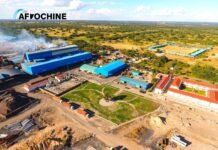
Mining is one area where the protection of infrastructure is particularly important. Processing plants, structural steel, storage tanks and conveyor systems operate in demanding environments where corrosion and other forms of deterioration can affect performance and reliability.
A leaking storage tank or corroding structural component can do more than increase maintenance costs. Such problems can interrupt production, affect operational efficiency and expose workers to hazardous substances. Protecting mining assets therefore requires attention to both the condition of the infrastructure and the environmental safeguards surrounding its operation.
The implications extend beyond individual mining companies. Infrastructure failures can disrupt production, delay projects and erode the value of investments made in developing the sector. Preventive maintenance and effective asset protection are consequently important to sustaining operations while safeguarding workers, the environment and capital invested in mining projects.
The conference will bring together industry stakeholders to examine the regulations, materials, protective technologies and engineering practices that can help infrastructure withstand the conditions it faces over time.
It will also consider the responsibilities shared by engineers, architects, quantity surveyors, contractors, developers, mining companies, financial institutions and investors. Each has a role to play in ensuring that infrastructure is not only completed, but also properly protected and maintained throughout its service life.
Ultimately, the challenge is to move beyond measuring infrastructure development by what gets built. The long-term value of an investment also depends on whether the resulting asset remains safe, reliable and fit for purpose years after construction is complete.
The Engineered to Endure conference will take place on 28 and 29 October 2026 at Rainbow Towers in Harare.