







Zimbabwe should use stronger-than-expected revenue collections to build a US$275 million fiscal buffer to cushion the economy against possible food shortages linked to an El Niño event, the IMF says.
In its latest review of Zimbabwe’s performance under the Staff Monitored Programme, the IMF praises Zimbabwe’s improved fiscal position but warns that Government should save part of its revenue rather than spend it all.
The IMF wants Government to keep expenditure within the original 2026 budget and save additional revenues for possible food-security pressures in 2027.
“Building a fiscal buffer of at least US$275 million” would allow the authorities to respond quickly to food-security needs while avoiding new arrears and protecting priority social spending, the IMF says.
Government recorded a US$371 million primary cash surplus in the first quarter, about US$320 million above the programme target. Revenue was also US$560 million above target, helped by stronger economic activity, VAT and customs collections, higher personal income tax and improved tax administration.
The IMF expects 2026 revenue to reach US$10.3 billion, or 16% of GDP, and projects a cash primary surplus of about 1.7% of GDP.
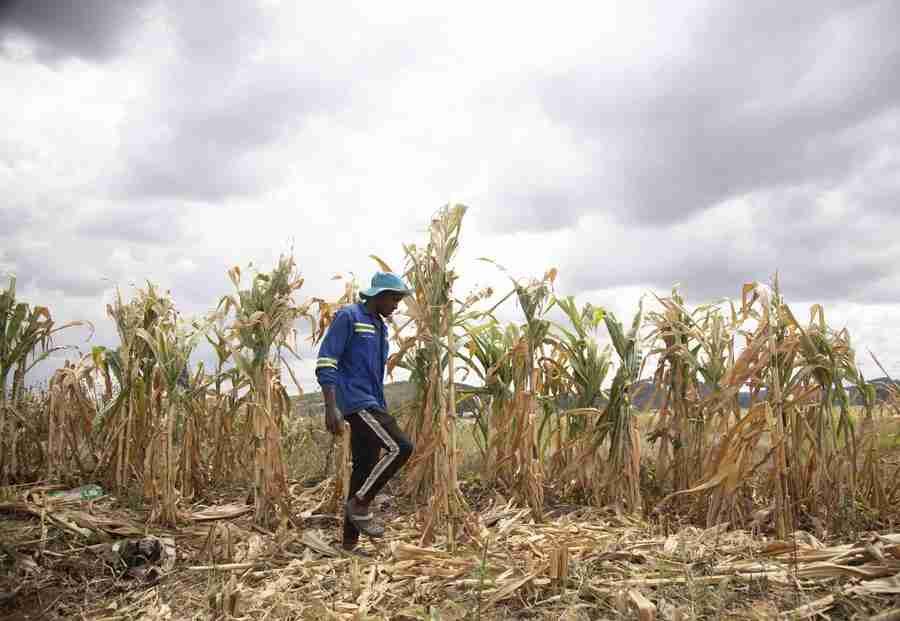
The buffer is needed to prepare for a possible major El Niño event in late 2026 and early 2027, which would hit agriculture and food security.
The Fund warns that such risks could “reduce revenues, and increase government spending to procure grains” to protect the poor.
Finance Minister Mthuli Ncube says Government’s response to drought risk is to make the economy more resilient to climate and commodity shocks.
“These risks underscore the need to intensify economic diversification, enhance value addition and beneficiation, as well as accelerate targeted irrigation development to strengthen resilience to climate-related shocks,” Ncube says in the 2026 budget strategy paper.
Social spending falls short
The IMF wants Government to improve spending on social programmes. Zimbabwe missed its protected social and priority spending target by US$84 million in Q1, with under-execution affecting the school welfare progeamme, BEAM, as well as Pfumvudza and the Social Protection Management Information System.
The Fund also wants Zimbabwe to cap gold incentives at US$300 million in 2026, clear domestic arrears, liberalise the forex market, maintain tight monetary policy, and advance external debt restructuring and arrears clearance.



