



Only one state enterprise has complied with a government order to set aside a portion of revenue to pay off debts, according to Treasury’s latest debt report.
Faced with rising debt and arrears, the Ministry of Finance instructed parastatals to set aside special accounts to service debts, so that they do not rely on the Treasury to pay what they owe. But only the Zimbabwe Power Company did so, showing how state firms contribute to Zimbabwe’s worsening debt crisis.
“Given the various challenges affecting these SOEs, Treasury has directed these entities to open dedicated sinking funds, where revenues from their operating activities are ringfenced towards servicing of the respective debt payment obligations,” Treasury reports. “Despite the introduction of this policy framework, it is noted that only the Zimbabwe Power Company has managed to ringfence substantial resources into the sinking fund for the Hwange 7 and 8 Expansion Project, as at end October 2024.”
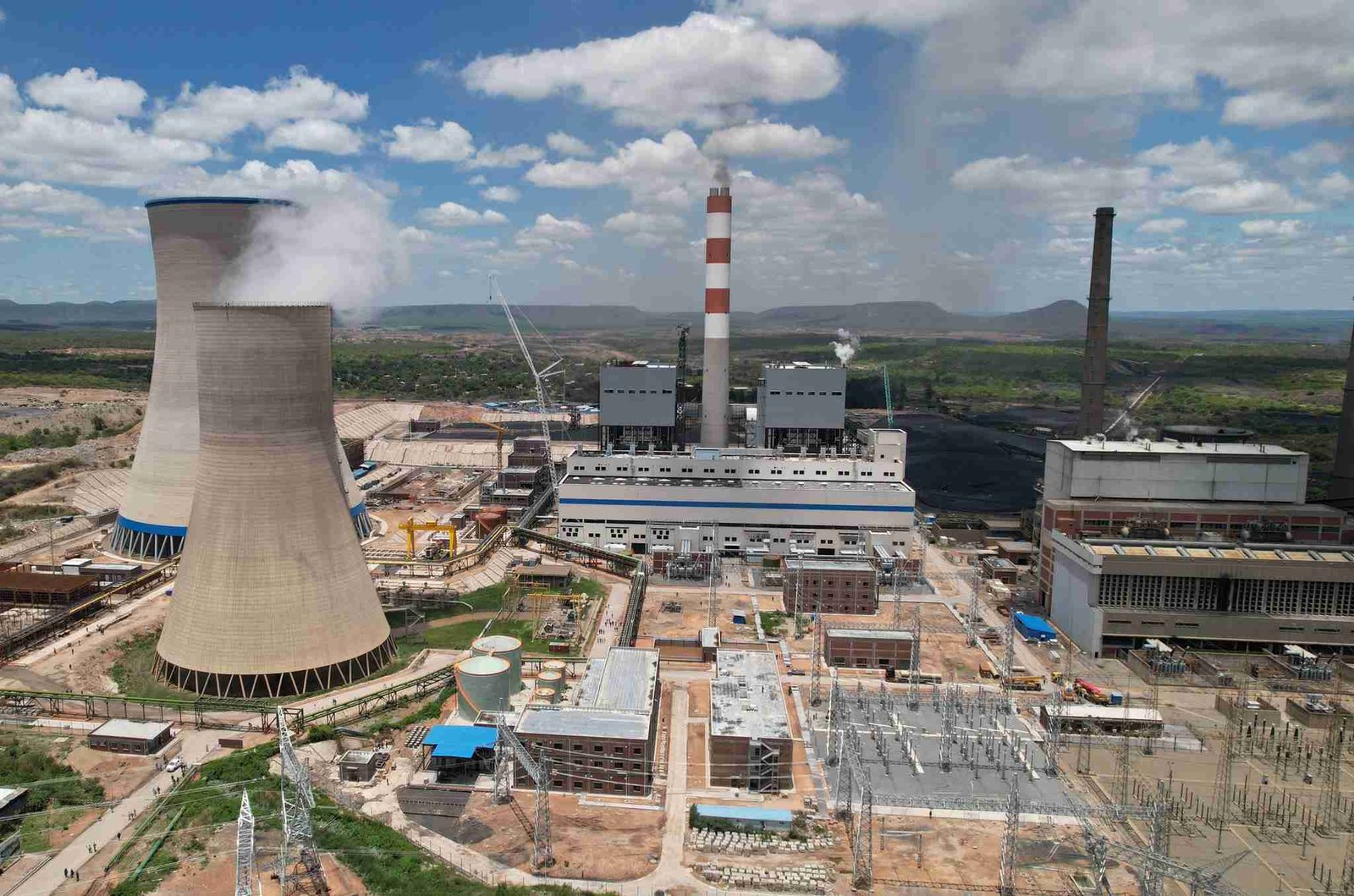
The two Hwange units were funded by a US$998 million loan from the China Exim Bank, and are now generating 600MW. This year, the Ministry expects the bank to have disbursed US$325 million under the facility. Signed in 2016, the loan had a 7-year grace period and an interest rate of 2%. By the end of October, ZPC had put up US$48.5 million in an escrow account to prepare for debt service. The report shows it had no arrears to China Exim Bank. Separately, ZESA’s ZETDC also pays ZPC, the plant operator, as much as US$35 million each month to buy power to on-sell to consumers.
While ZPC is putting money into the escrow account, parastatals haven’t done so. NetOne got US$465 million from China Eximbank for its fibre network, but has set aside US$300,000 in escrow. RGM International Airport, expanded via a US$153 million from the same lender, put up only US$2.3 million this year. This year, the bank disbursed US$23 million towards the airport project.
The debt report, tabled alongside the 2025 budget last week, shows how the government’s debt crisis is worsening. This year, US$177 million worth of USD treasury bonds were due to mature in the last quarter of the year. Over the same period, the government also paid US$54.4 million for blocked funds – money owed to entities that couldn’t repatriate them from Zimbabwe. More payments are on the horizon; some US$738 million of bonds are due in 2025. With no capacity to pay for this, government is now looking for ways to restructure these bonds
“The restructuring process is critical in enhancing fiscal sustainability and ensuring that Government can meet its debt obligations without compromising public service delivery and economic growth,” says Treasury.
In 2025, government expects to spend US$416.2 million to service foreign debts. It is negotiating more non-concessional external loans of US$350 million. Government has to use non-concessional loans – or loans at higher commercial rates – because it cannot get cheaper loans from the likes of the World Bank due to arrears.



