
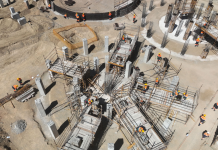


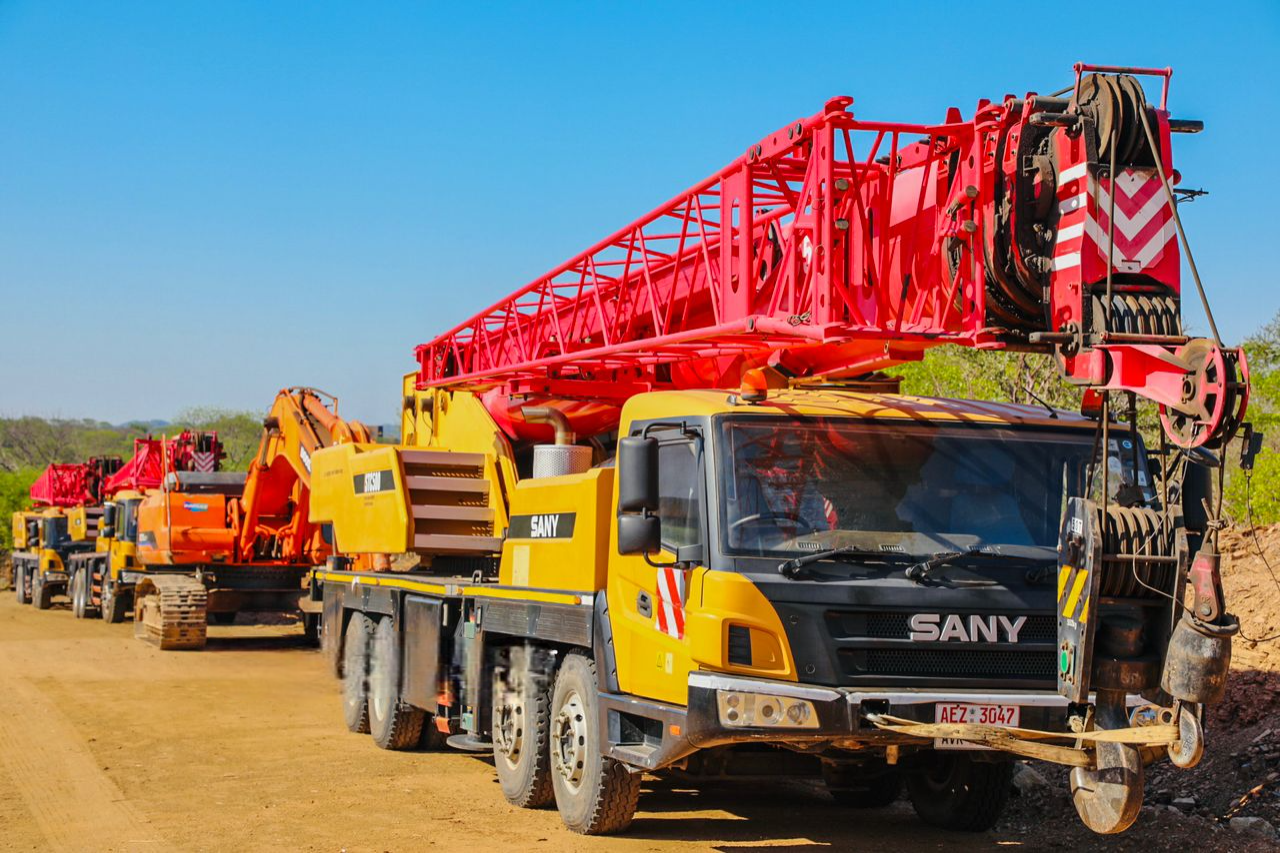
President Emmerson Mnangagwa has broken ground on a proposed new thermal power station in Hwange, pledging to allow “competitive tariffs” to attract investors wary about Zimbabwe’s currency risk.
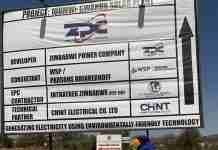
Titan New Energy of China plans to build a 720MW power station. The project is one of several signed by Zimbabwe at the Forum for China-Africa Cooperation Summit (FOCAC) in September. The company hopes to complete construction in 2028. Titan is also building a 200MW solar power plant for Jinan-Almid, a ferrochrome producer in Gweru, to meet government demands for miners to produce their own power.
Zimbabwe is desperate for energy investors to end a deepening power crisis. But, for investors, the risk that they will be forced to charge uneconomic tariffs, in local currency, has grounded many projects. Mnangagwa says his government is taking policy measures to address this.
“These relate to ease of doing business with regards to competitive tariffs for Independent Power Producers, permits acquisition, grid connections, and the supply chains facilitation,” Mnangagwa said at a ceremony at the plant’s site in Hwange.
In December 2022, the Ministry of Finance started offering guarantees to some solar projects, granting them a tariff of 9 US cents per kilowatt hour.
Not much is known about Titan New Energy and how it plans to fund the new plant. On how it will structure the funding, the company says: “The project is 100% funded by Titan New Energy, the project company, through internal financing.”
Some 26 billion tonnes of coal lie under Zimbabwe’s earth, enough to last 834 years. But thermal power funding is now scarce, due to a global campaign against “dirty coal”. Chinese banks dominated coal funding, putting US$70 billion into coal between 2016 and 2019. However, China announced in 2021 that it was cutting back on new coal projects abroad. China’s biggest funder of coal, ICBC, dropped RioZim Energy’s 2,800MW Sengwa coal project, which would have been Zimbabwe’s biggest ever energy investment.
In 2021, ZESA chairman Sydney Gata said Titan had said they were struggling to raise funding for the Hwange project, first tabled in 2019.
“They (Titan) approached us and told us ‘we can’t do this anymore’. Their bankers said our government doesn’t allow us to fund this kind of project any longer,” Gata said then.
A glimmer of hope is that China has slowed down on cancelling coal projects, especially those agreed before 2021. China has categorised projects in the permitted, pre-permit and construction phase.
Independent Power Producers in Zimbabwe are currently feeding just 50MW into the national grid. Several other privately-run plants are supplying dedicated customers in mining and manufacturing.



