


Battery storage and a deal with India’s Jindal to repair six aged plants at Hwange are part of Zimbabwe’s long-term measures to plug a worsening power deficit.
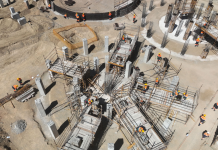
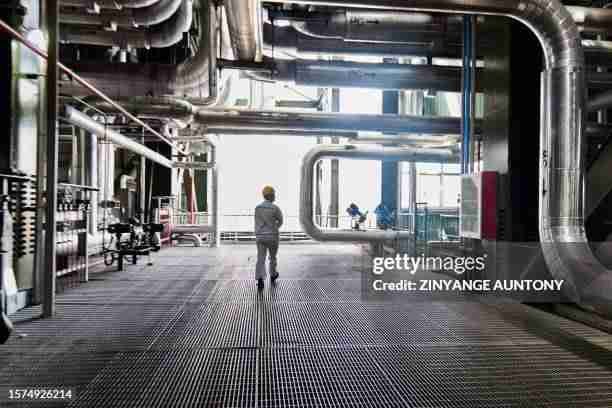
The Hwange power plant hit rare production levels above 1000MW in early August, as authorities heavily sweated the two new 600MW units, a year after they came online. The contractor, Power China, reported recently that Units 7-8 in July were running at full capacity: “The monthly power generation of Units 7 and 8 at Hwange Power Station reached 496 million kWh in July, with a load factor of 99.68%, setting the highest monthly generation record since entering commercial operation in July 2023”.
But a fault at one of the units at the weekend caused widespread blackouts, at a time when the Kariba hydro plant is producing a quarter of capacity due to low water levels. The crisis has, yet again, shown that Zimbabwe has not invested enough in power generation. Funding for coal power projects is now harder to secure after China stopped funding such projects abroad, leaving Zimbabwe with limited options for energy investments.
Sydney Gata, executive chairman of ZESA, has been speaking about a raft of planned projects that he says need to be put into motion. On paper, those projects – many of them highly ambitious – would deliver up to 3,300 MW of additional power.
Here are some of the planned projects.
Storage: Battery backup
Zimbabwe is producing about 1,042MW against a demand of 1,850MW at peak. Gata says Zimbabwe plans to install battery storage, which would be charged during off-peak periods so that power can be used when demand is high.
“ZESA will install a utility-scale battery energy storage system of 1800 MWh (1.8GWh) which will provide three hours of 600MW during morning and evening peaks,” he says, adding that the project is “at procurement stage”.
Old to new: Repowering Hwange
Hwange installed two units of 300MW each last year. But the older six units are past their prime and break down often. Government is looking to close a deal to refurbish these units. A US$310 million loan was agreed with the India Eximbank in 2021 for this project, but the two sides are yet to reach financial close to start the project. The selected contractor is Indian energy firm Jindal, whose chairman Naveen Jindal visited Zimbabwe earlier this month.
According to Gata, repowering the Hwange Units 1-6 would push output from 485MW to 840MW and extend the life of the units, commissioned in the 1980s, by at least 15 years. Gata says negotiations with Jindal also include a possible investment in four new units of a combined capacity of 1,200MW capacity.
“The programme will be executed unit by unit in the next 36-48 months, with work having commenced on Unit 5, using internal resources,” he said.
Work on Unit 5 has already started, using a US$50 million loan from Stanbic Bank, according to previous reports. Gata says the work on Unit 5 will be completed in April next year.
The Jindal deal will bring some relief, but add to ZESA’s debt burden. Zimbabwe is repaying almost US$1 billion from China Eximbank for Hwange 7-8. Last year, ZESA said it needed US$35 million per month to pay for power from Hwange.
Bring your own power: Weaning off ferrochrome miners
ZESA wants ferrochrome producers, the country’s heaviest users, to produce their own power and get off the grid. Ferrochrome producers consume up to 300MW of power, according to industry officials. ZESA is supplying them with power at a lower tariff. In turn, Gata says, the companies have agreed to build their own power plants with a combined capacity of at least 300MW.
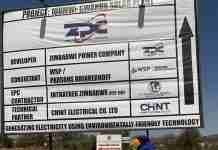
A 100MW solar plant is up for completion in 2025, and producers plan a larger plant of 720MW to supply multiple producers.
Pushing for farm solar
ZESA has increased “ring-fenced” power to wheat farmers from 100MW to 150MW for irrigation. This means there’s less power for other users. Gata says ZESA would “mobilise financing” to build solar plants targeting key wheat farming blocks.
“This will ease the demand from farming load on the system, and at the same time allow farmers to feed excess energy to the grid,” he said.
ALSO READ |
ZESA is shutting down three of its old power plants. Here is why plans to save them failed
Power struggle: How corruption and poor planning left Zimbabwe in the dark
With China no longer funding coal, ZESA has ‘no plan’ for fixing its idle thermal plants



