







A surge in construction, from home builders to commercial sites and public works, is lifting cement demand, but also exposing gaps in local production.
PPC, which has capacity of 1.4 million tonnes and controls over half of the market, is carrying most of the load. Khayah Cement is still struggling under corporate rescue and bringing in new shareholders. Other producers are battling to keep up, with several, including Sino Cement, on annual maintenance. A shortage of clinker – the key ingredient in cement – has made shortages worse. All this, at a time when demand is booming. Government has, again, announced it is lifting restrictions to allow relief imports. The relief may not be immediate, as some regional suppliers are also facing limited output this time of the year.
House construction is strong. Public projects are also hungry for cement. The Trabablas project alone, in which PPC participated, was budgeted to consume 48,000 cubic metres of concrete, a large chunk of local capacity.
It’s no surprise then that new cement projects are popping up. They have probably looked at PPC. In its last financial year, PPC Zimbabwe hit record earnings of R849 million (US$48 million), up from R675 million the previous year. For the half-year, PPC Africa will collect US$20 million in dividends from Zimbabwe.
In the four months to July, PPC’s cement volumes jumped 22%, thanks to strong demand and a 30% tariff on cement imports. PPC Zimbabwe now delivers nearly 70% of PPC Africa’s revenue, and almost half its profit. With numbers like that, who wouldn’t want a slice?
So, who’s joining the race? Here are some of the new players and projects shaping Zimbabwe’s cement market:
Huaxin Zimbabwe – Mount Hampden

When Holcim sold Lafarge, now Khayah, in 2021, global giant Huaxin was one of the bidders. Holcim chose Fossil instead, but Huaxin didn’t walk away. The company is setting up its own plant near Mount Hampden with planned output of 330,000 tonnes of cement per year.
Shuntai Investments – Chegutu
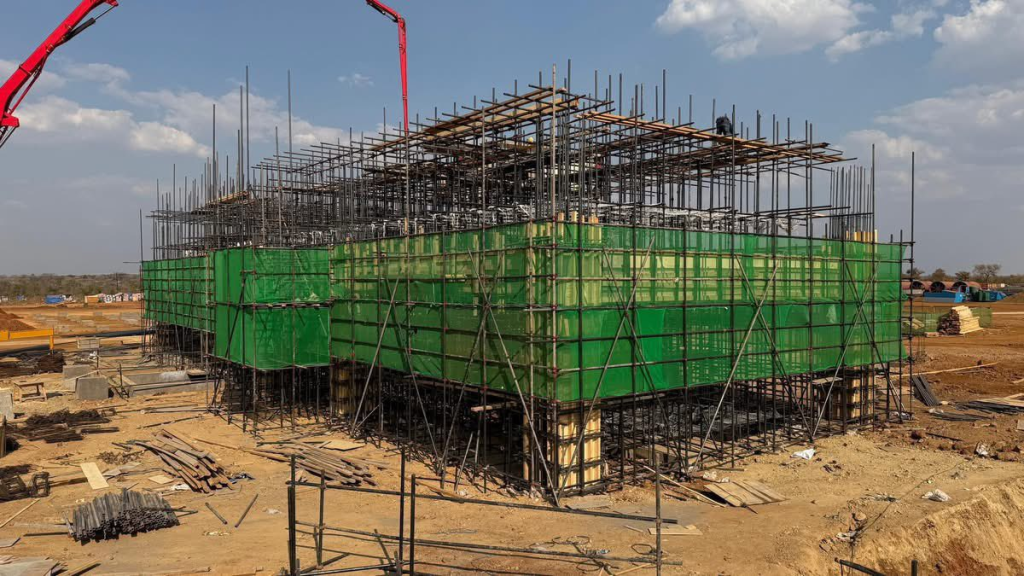
Shuntai is building an 800,000-tonne-a-year plant outside Chegutu. According to administrator Yan Bo: “We have invested more than US$80 million. By the time of completion, we should have invested more than US$120 million.” The project has faced pushback from nearby Bryden School, which fears pollution. Completion is expected in 2026.
JainQiang – Hwange
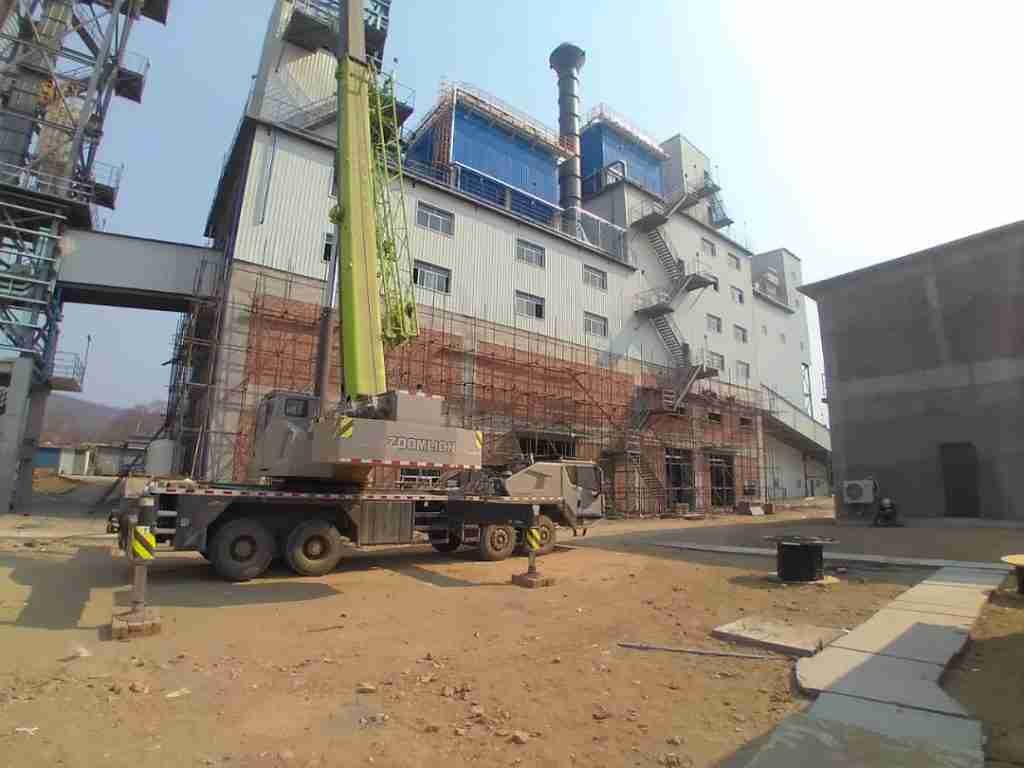
JainQiang is putting up a new plant near Hwange with an expected capacity of up to 600,000 tonnes per month. Construction began in April 2025, with completion set for 2026.
West International – Hurungwe
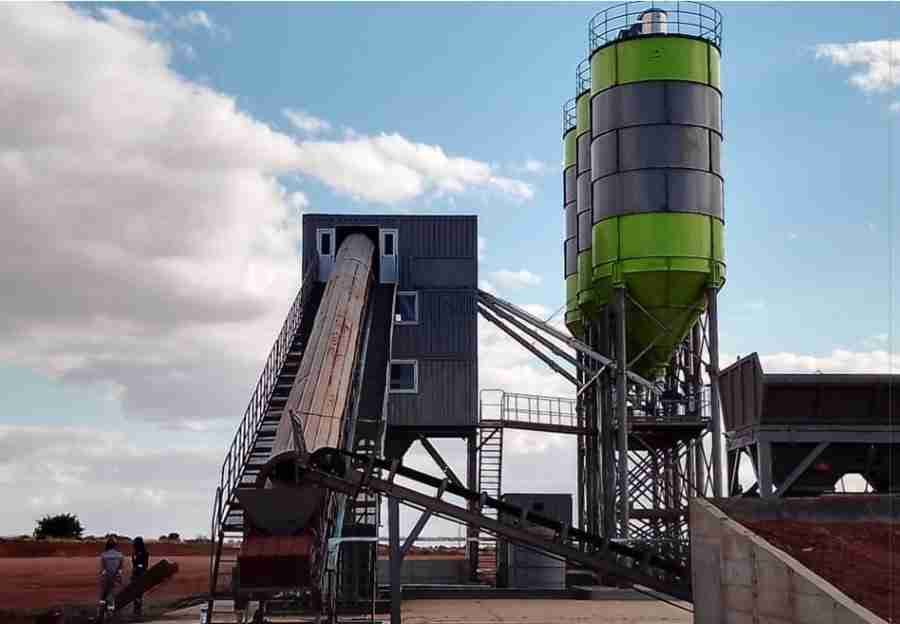
In Hurungwe, a joint venture between West International and Lbenemon is developing a major plant with capacity for 1.2 million tonnes of clinker and 1.4 million tonnes of cement per year. The project has faced heavy community resistance over water, grazing land, and environmental concerns. Earlier in 2025, the Environment Management Authority fined the company and halted construction temporarily for building structures without approval and delaying compensation for displaced families.
Zimsong Industries – Hwange
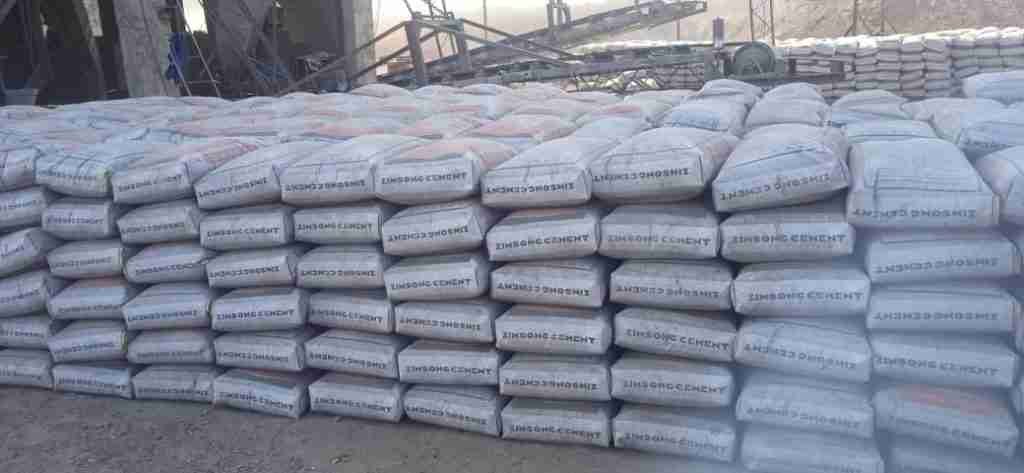
Zimsong, part of Zimbabwe Zhongxin Coking Company, is building a small cement plant using fly ash from its thermal power station. Construction began in February 2025, and test runs started in August. Target output is 2,500 tonnes per month. The company imports clinker from Zambia.
Livetouch Investments – Zvishavane
In Zvishavane, Livetouch, already one of the largest producers, is investing US$20 million in a cement and clinker plant with capacity of 200,000 tonnes per year.
The takeaway
Cement demand will keep climbing. Zimbabwe needs more cement factories. But it also needs factories that can produce cement more efficiently. Currently, local cement producers face high costs that make local cement more expensive. It is government policies that can make that possible.



