






By Herbert Zvirere – WFP
Zimbabwe’s second Crop, Livestock and Fisheries Assessment (CLAFA‑2) offers encouraging signals about the country’s agricultural direction. After several difficult seasons marked by weather shocks and constrained production, the 2025/26 agricultural season shows improvement across multiple fronts. National cereal availability has strengthened, agricultural growth is projected at around 5%, and performance in several crop and livestock sub‑sectors has exceeded last year’s levels.
These results reflect sustained efforts by farmers, government institutions, and partners to stabilise production and support the agricultural sector under challenging conditions. They also create an opportunity for informed discussion about how current gains can be consolidated and extended, particularly to communities that remain vulnerable despite improved national indicators.
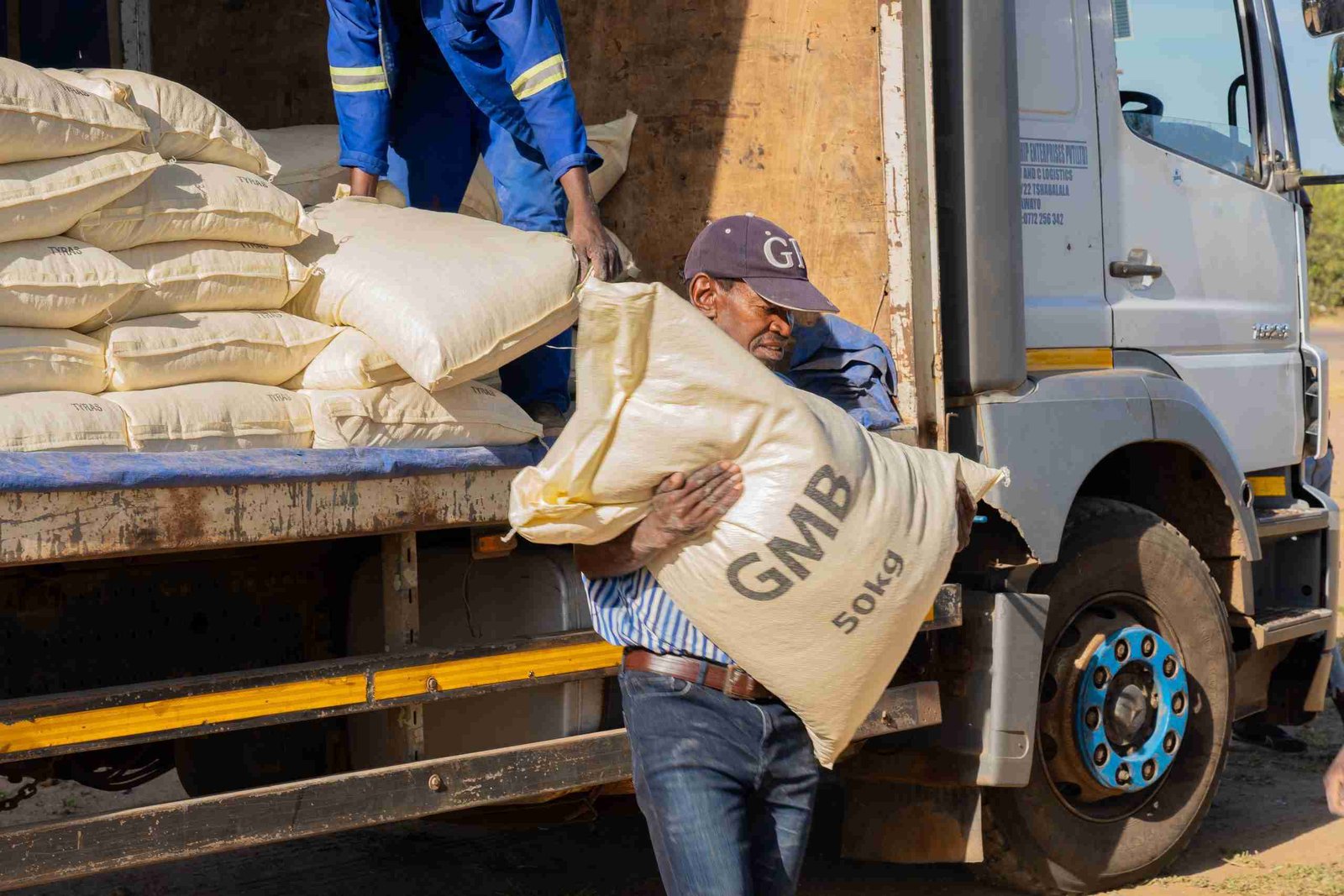
At a national level, the data points to a relatively strong supply position. Total cereal availability, including carry‑over stocks, is estimated at close to 2.9 million metric tonnes. Depending on consumption assumptions, the resulting cereal balance suggests a national surplus of between 550,000 and 965,000 metric tonnes. Compared to seasons of widespread deficit, this represents a positive shift and provides valuable breathing space for policy and planning.
Uneven Recovery and Localised Food Security Challenges
However, CLAFA‑2 also highlights the uneven nature of this recovery. While some areas produced well, others continue to face structural constraints linked to rainfall variability, soil conditions and limited coping options. Districts such as Beitbridge, Buhera and Chivi are expected to remain food‑deficit, with districts such as Mberengwa, parts of Manicaland and the Umzingwane–Plumtree corridor likely to face pressure from around October 2026, if household stocks run down. For communities in these areas, national availability does not necessarily translate into household food security.
This contrast underscores an important point for decision‑makers. National production figures, while essential, cannot fully capture the lived experience of food access at local level. A more nuanced approach, one that combines national planning with district‑level targeting, is therefore increasingly important.
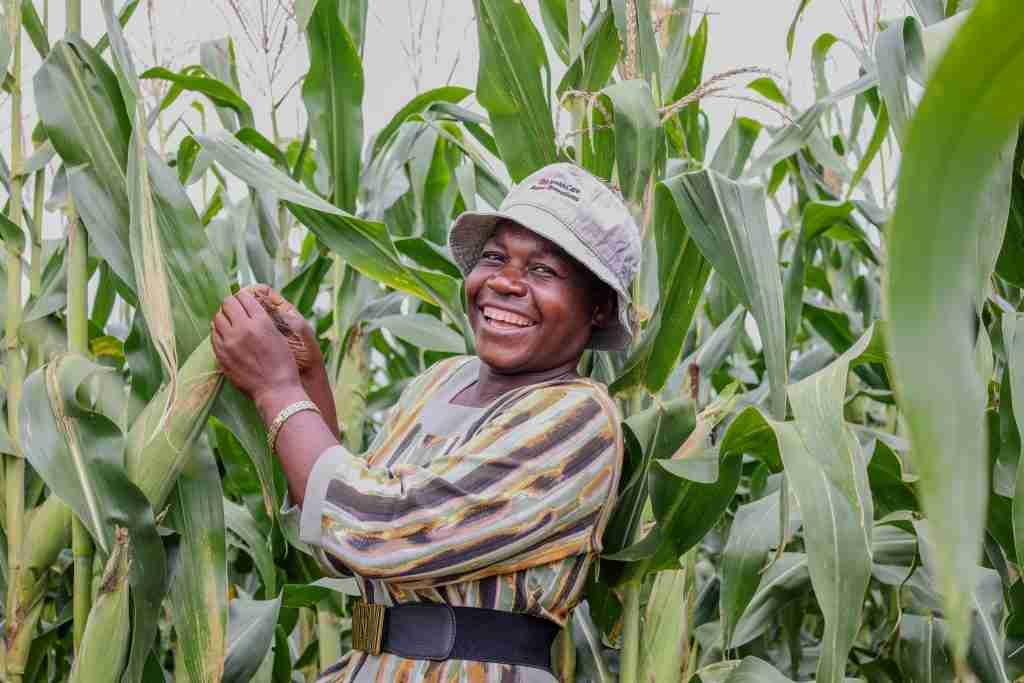
Maize production illustrates this dynamic clearly. While national output rose by a modest two percent compared to last season, provincial performance varied considerably. Some provinces benefited from favourable rainfall and inputs, while others experienced moisture stress and localised crop damage. In environments where climate variability is becoming more frequent, such uneven outcomes are likely to persist.
Equally important is the decline in traditional grains such as sorghum and millet. These crops play a critical role in drier regions where maize is less reliable. Their reduced production this season weakens resilience in areas already exposed to climatic risk. Strengthening support for climate‑appropriate crops, through research, extension and market incentives, would help consolidate gains while protecting more vulnerable livelihoods.
Using Current Gains to Build Longer-Term Resilience
At the same time, the assessment points to genuine opportunities that can be built upon. Performance in higher‑value crops such as soya beans, cotton and tobacco improved, horticulture expanded, and livestock conditions were generally favourable. Growth in fisheries and aquaculture also continued, opening pathways for income diversification and improved nutrition in some communities.
These trends suggest that where households have access to water, markets and production assets, they can convert good seasons into meaningful gains. The challenge is ensuring that these opportunities become more inclusive, particularly for communities in marginal agro‑ecological zones where recovery is slower and shocks are harder to absorb.
Encouragingly, CLAFA‑2 also reinforces priorities that are already part of national policy conversations. Investments in irrigation, soil health, climate‑proofing, and drought mitigation remain central to building longer‑term food security. A season of relatively improved production offers an opportunity to accelerate these efforts, from protecting productive assets to strengthening local water infrastructure and aligning crops more closely with local conditions.
For humanitarian and development partners, the current outlook supports a gradual shift in focus. Broad national emergency responses may be less necessary than in poorer seasons, but targeted assistance remains essential in districts that continue to face deficits. Linking such assistance more intentionally to recovery and resilience, through livelihoods, markets and nutrition‑sensitive programming, can help households move beyond repeated cycles of vulnerability.
Overall, CLAFA‑2 provides a balanced message. Zimbabwe’s agricultural sector has demonstrated its capacity to recover under the right conditions. The task ahead is to consolidate these gains, recognise where challenges persist, and ensure that improvements at national level translate into sustained food security for all communities.
By building on what has worked, while remaining attentive to where support is still needed, Zimbabwe can use this season as a measure of progress, and as a foundation for greater resilience in the years ahead.
Herbert Zvirere is the Head of Research, Assessment, Monitoring and Evaluation (RAME) at the World Food Programme (WFP) Zimbabwe Country Office. He is a Monitoring, Evaluation, Accountability and Learning (MEAL), food security, and resilience specialist with over 15 years of experience across humanitarian, development, and government sectors.