


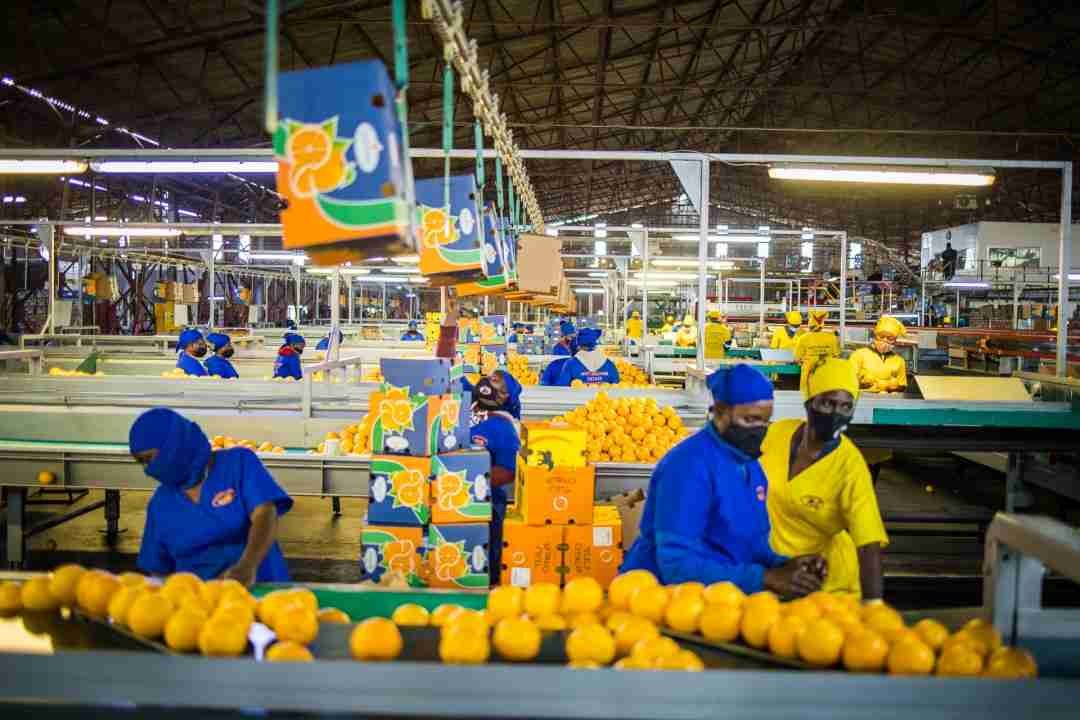
Agriculture, renewable energy, and mining will be on the table when the EU brings a delegation of European businesses to Zimbabwe in May.
This will be the first time the EU has hosted such a tour, with 250 businesses from Zimbabwe and Europe expected to attend, the EU Delegation in Zimbabwe says.
“The three-day event will target key sectors driving Zimbabwe’s economic growth; horticulture and agro-processing, renewable energy, and the mining value chain. Cross-cutting topics will include financial services and transport and logistics,” the EU says.
Says the EU: “Zimbabwe is strategically located in Southern Africa, with access to a large and growing regional market (SADC, COMESA, AfCFTA), and contributing significantly to regional trade and connectivity. In addition, the country is rich in natural resources, including an abundant and diverse mineral resource base, thus providing a unique combination of attributes crucial in investment and trade potential for international businesses.”
Annual trade between Zimbabwe and the EU stands at US$700 million, balanced in favour of Zimbabwe, according to the EU. The EU is Zimbabwe’s fifth-largest trading partner and the number one destination for Zimbabwean horticultural exports. There are no EU sanctions on Zimbabwe, and the country has duty-free/quota-free access to EU markets, but the country hasn’t taken full advantage because of low production.
Zimbabwe is desperate for foreign investment, but its inconsistent policies – especially on the currency – have hurt its efforts.
Last year, the Head of EU delegation in Zimbabwe, Jobst von Kirchmann, said the EU could only bring in potential investors. It was up to Zimbabwe to convince those businesses to invest.
“We as the EU are trying our best to bring the companies here but the government has to do their part to make Zimbabwe as attractive as it is and to make the entrepreneurs see Zimbabwe as a country full of opportunities,” he said. “Despite efforts to bring in investors, I cannot, of course, substitute the decision of an investor. This is private money and that often follows a certain logic. It is about opportunities which we can show them.”



