


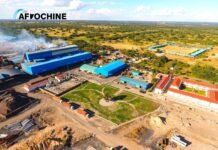







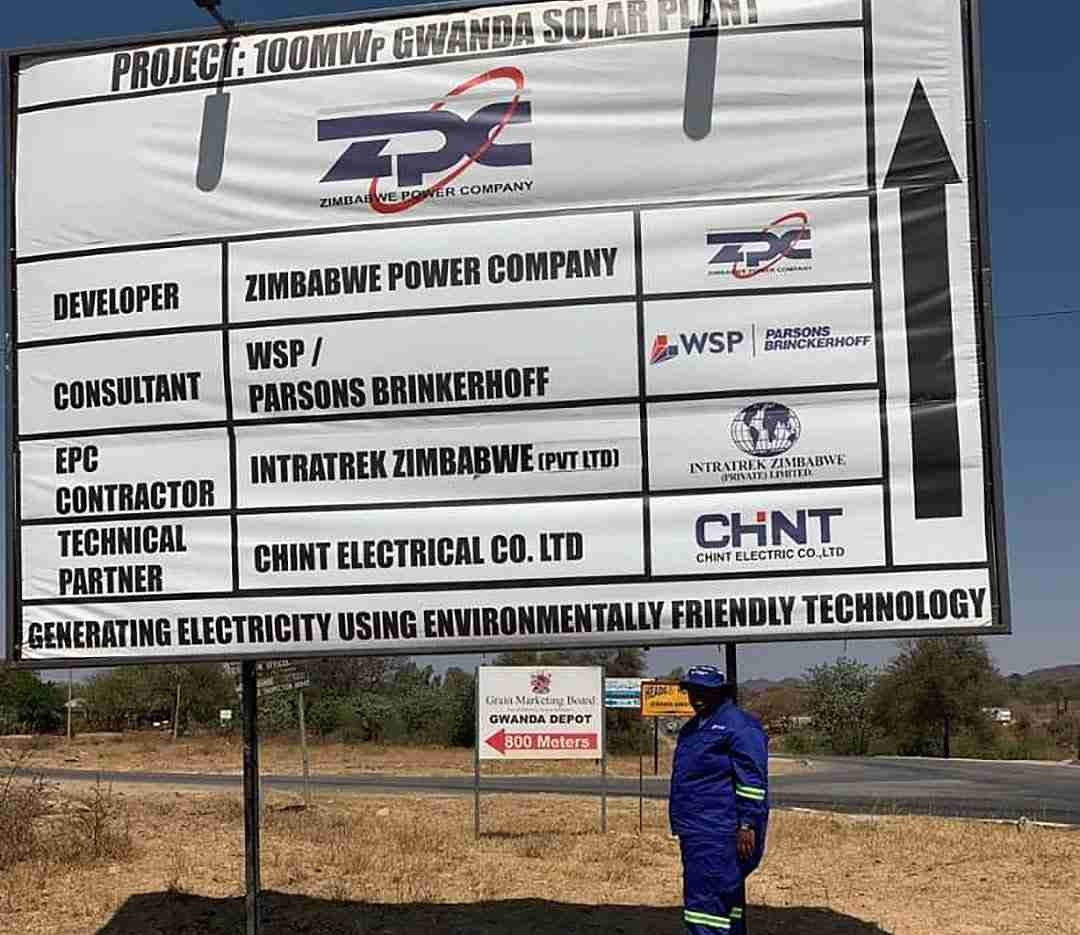
Wicknell Chivayo’s Intratrek has been given 24 months to complete the stalled 100MW Gwanda solar project, a contract that has for years been a case study in controversies around government procurement.
The contract was cancelled in 2018 after Intratrek failed to start work despite a US$5 million advance. But a 2023 Court ruling ordered that the project should go ahead. Now, the Zimbabwe Power Company has written to Intratrek, notifying it to restart the project under new terms, yet to be disclosed.
“The project duration shall be 24 months, in line with the agreed Programme of Works, as set out in the EPC Contract and its accompanying schedules. You are required to mobilise to the site and commence activities without delay,” ZPC says.
Intratrek chairman Wilson Manase has told Government that the company will move to site to resume work.
“Our mobilisation will encompass site establishment of temporary site facilities and other preparatory activities necessary to position the project for full-scale execution of the subsequent EPC works. We further confirm that the requisite advance payment guarantee was established and submitted to your office through our technical partner, CHiNT Electric and all other arrangements required to commence implementation are now in place.”
Intratrek will still have to receive an advance mobilisation payment from Government. The previous US$5 million advance payment was central to ZPC’s case against the company. The payment was meant to help the contractor prepare the site, but ZPC argued that no work had been done.
The Gwanda project has been at the centre of Zimbabwe’s government contracting controversies for more than a decade.
In 2015, Government awarded the US$172 million contract to Intratrek, a company with no track record of delivering projects of that scale. It acted as an intermediary between the Zimbabwean Government and foreign energy contractors, including China’s CHiNT and India’s Jaguar Overseas and Angelique International. The latter two companies were awarded other Zimbabwean contracts that were never done.
Intratrek beat established bidders including ZTE and China Jiangxi to secure the Gwanda contract.
In 2018, ZPC cancelled the deal after Intratrek failed to start the project on schedule, despite receiving the advance. Intratrek argued that Zimbabwe’s sovereign risk had affected its ability to secure financing. In January 2023, the High Court ruled in Intratrek’s favour, finding that the contract remained valid. The Supreme Court then ordered that the project be allowed to proceed, but refused to grant Chivayo the US$22 million in damages that he wanted.
Intratrek has not said whether it has secured new funding to complete the project. Recently, Chivayo told a radio station that he was considering using his own money to complete the plant. The economics of the project will also have to change significantly. Global solar panel prices have fallen by as much as 75% since the contract was first awarded, meaning the project cost would need to be revised downwards. ZPC told Parliament in 2024 that the project should now cost less because of the decline in solar panel prices.



