



In 1982, at St Dominic’s High School in Mutare, we were joined in our class by a strange group of students. They were much older. They were mature. At break time they would retreat to the area reserved for agricultural classes and there under a huge mango tree they quaffed their cigarettes. They were allowed to do that. As we slowly engaged with them, we learnt that they were ex-combatants and mujibhas whose education had been interrupted by the war. Nyasha Gweredza, Kevin “The Kitten” Masamvu and I, teased these older schoolmates saying: “You shall only work one year before being pensioned off.” They never got angry – they just brushed us off like we were some pesky mosquitoes.
Years later, as I encountered some of them in tertiary institutions or workplaces, I admired the commitment they had shown in going back to school. Their hopes for themselves and for their families were part of the euphoria of 1980 and the early years of independence. I am fascinated by interviews on YouTube done by BBC Newsnight of our people on the day Robert Mugabe’s ZANU PF won a landslide victory of 57 seats, with Joshua Nkomo’s ZAPU obtaining 20, Bishop Abel Muzorewa polling 3 seats and the Rhodesians being given 20 seats on a platter. The people express their economic hopes – employment, better pay, farms, clinics, schools and more. There is a certain energy and optimism. Forty-four years later, we know how the Zimbabwe script turned out.
Anthem for Doomed Youth
In 1987 at Mutare Boys High School, our literature class was introduced to the work of an English war poet and soldier called Wilfred Owen. Owen experienced the horrors of the First World War and died in combat at the age of 25 in 1918. One of his most famous poems is called Anthem for Doomed Youth which opens with the line: What passing-bells for these who die as cattle?
Owen is asking what church bells will ring for the young men slaughtered like farm animals. Instead, these young men just hear the rage of firing guns. In short, there will be no decent burial for these young men who are being sent to die.
The young people who die in any war are rarely ever from the rich and politically connected families. Politicians and their families do not serve at the front. Politicians’ children can wear army regalia and posture, but they will not go into battle. The crown is theirs – they cannot be allowed to die.
The idealism of youth and the contradictions of the liberation struggle
Military men like Josiah Tongogara killed the dreams of young theorists in the mid-1970s and backed what we now know from hindsight as a chauvinistic nationalism bereft of a sound economic plan. The story of the Vashandi Group led by Wilfred Mhanda and Sam Badza and their demise during the war was a harbinger of the hollowing out of intellectual rigour in ZANU PF. With Mugabe and his cabal seizing the initiative and momentum of the struggle, the seeds for the betrayal of young people and their dreams were sown. Mugabe would, with time, be part of the geriatric political mafia of Africa.
The Geriatric Mafia
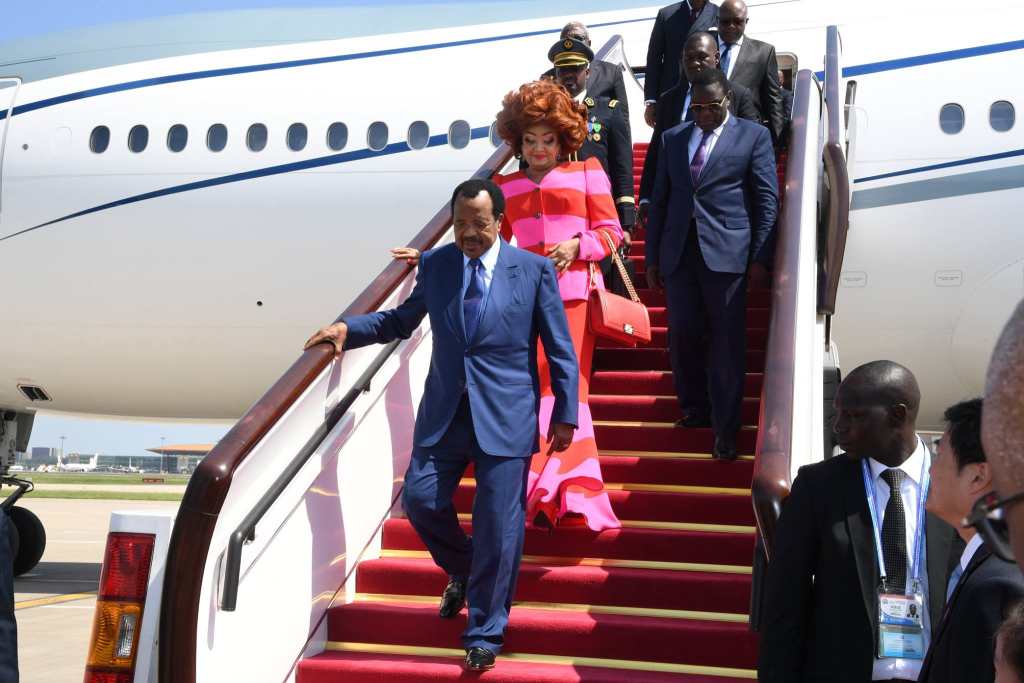
The old politicians of Africa are good at turning their countries into a cashbox – the United States Dollars and gold in the treasury belong to the First Family. Paul Biya of Cameroon is the Commander of the Geriatric Mafia, and his deputy until recently was Ali Bongo of Gabon who stepped into the “throne” in 2009 after his father, Omar Bongo, who ruled the oil-rich nation for 42 years. Ali Bongo was deposed in a coup in 2023 and recently he was filmed looking fragile and appealing for his wife and son to be released from detention. Paul Biya lives in a villa in Switzerland for most of the year and visits his country from there. Meanwhile, the great patriots of Cameroon are scattered across the world like an unappeased spirit looking for closure.
When these geriatrics die it is rarely in their own countries because they never invest in public infrastructure unless you call bribing traditional chiefs with motor vehicles such. Malawi’s Bingu wa Mutharika died in Lilongwe whilst his coterie of hangers-on was hoping to fly him to South Africa – the hospitals did not have the equipment and medication to stabilise him. Our own Robert Mugabe died in faraway Singapore.
Samora Continua – a different kind of leadership
Not all of our leaders in Africa have graduated into wicked godfathers. Whilst most of the African leaders since Ghana’s independence in 1957, from Kwame Nkrumah to Jomo Kenyatta, had serious limitations, there were some fundamental differences. The fiery Jomo Kenyatta who wrote Facing Mount Kenya is not the same one that ended up in the State House – he had changed to a reactionary and individualist capitalist who would taunt those who had not accumulated land and wealth in the new “Uhuru”. Daniel Arap Moi would follow the same script, adding jailing and assassinations to his arsenal.
Contrast that with Samora Machel, the grounded revolutionary educated in the trenches of the anticolonial war against the brutal Portuguese regime. Brave and clear-eyed, Samora understood what the struggle was about – dignity, social justice, education, health, land and more. Machel connected Mozambique’s war of liberation to the struggles of the people of Southern Africa, Africa and the Global South. With the support of Julius Nyerere and Kenneth Kaunda, he faced the chicanery of Ian Smith and John Vorster who created Renamo – a terrorist outfit designed to destroy public infrastructure and maim and kill. The sellout Kamuzu Banda was on the wrong side of history.
Ragga, Afrobeats and Amapiano – the unsupported creativity of the youth
If the times of the cultured late minister Maurice Nyagumbo now look quaint and naïve, it is because the real crude, uncouth and primitive wealth accumulators have seized the State. Thanks to the Man from Zvimba who facilitated the killing of key institutions, especially the judiciary, rendering them patently partisan. In all this depressing recounting of the thieves and murderers amongst us, we can then ask so what happens to the contemporary youth?
We live in a time where ideologically the Left has retreated and given up space for reading, thinking, critiquing, debating and expressing solidarity with oppressed peoples everywhere. Maybe it could be in music that we could rediscover a vehicle to mobilise against the robbers of our dreams. Amapiano and Afrobeats have become a global phenomenon in spite of the constraints put by the African governments. This speaks to the creativity and ingenuity of the youth. They have taken advantage of the internet, social media, cheaper equipment in the form of computers, microphones, mixers, keyboards etc to create, own and distribute their music. In the process many have made decent money to buy the material things that matter to them – let’s not judge for now. Before these genres exploded there was the template set by ragga, hip hop and kwaito.
When Vybz Kartel was still Vybz Kartel he would chant:
Ghetto yute, unstoppable, runaway train
Every zinc fence, every lane
Me a aim fi di sky like plane
Dem a pray fi we fall like rain
Every man have a dream and a nightmare
Every day cyaan’ be the same
Me a aim fi di sky like plane
Dem a pray fi we fall like rain
It is the same energy and messaging that makes a certain regime fear Winky D, the Gafa President. It is the fear of a narrative that speaks to conditions they have created and the fury that can be unleashed by such. Being culture, music can be powerful, organic and mobilising.
Whatever the solution, we need to be deliberate and intentional in confronting that which is holding back our dreams.



