



Running a business in Zimbabwe means dealing with the unexpected. For Simbisa, the country’s largest fast-food company, the year began with fresh taxes that could bite into sales.
Finance Minister Mthuli Ncube initially proposed a 0.5% tax in his budget statement, only to bump it up to 1% for implementation in January. He also threw in a new 20% tax on plastic bags.
This came as consumer spending in Simbisa outlets dipped. Average spend per customer fell by 3% in the last half-year, even though customer numbers rose by 7% to 24.8 million. This means the company has had to absorb the costs while finding ways to bridge the gap. Its strategy? Open more outlets, sell more chicken, and manage costs better.
“We’re adapting to the 1% fast-food tax,” says CEO Basil Dionisio. “On January 1, we all woke up to a lovely new year, and we were told it’s half a percent. Then the SI came out, and it’s 1%. We haven’t raised prices. We’re absorbing it—by growing our customer base, increasing volume, and passing that benefit to consumers.”
Simbisa opened a net of 38 new outlets between December 2023 and the end of 2024, with 16 of those in the last half of the year. By June, another 10 outlets will be added. Over the next 18 months, the company plans to launch 81 new counters and refurbish 60 existing ones.
And what about the plastic bags tax?
“We want to transition to 100% paper packaging—no more little plastic carrier bags,” Dionisio says. This shift aligns with global industry trends. The company is also exploring new sustainable packaging solutions for its Creamy Inn ice creams. “After that, we should have no more plastic in our operations.”
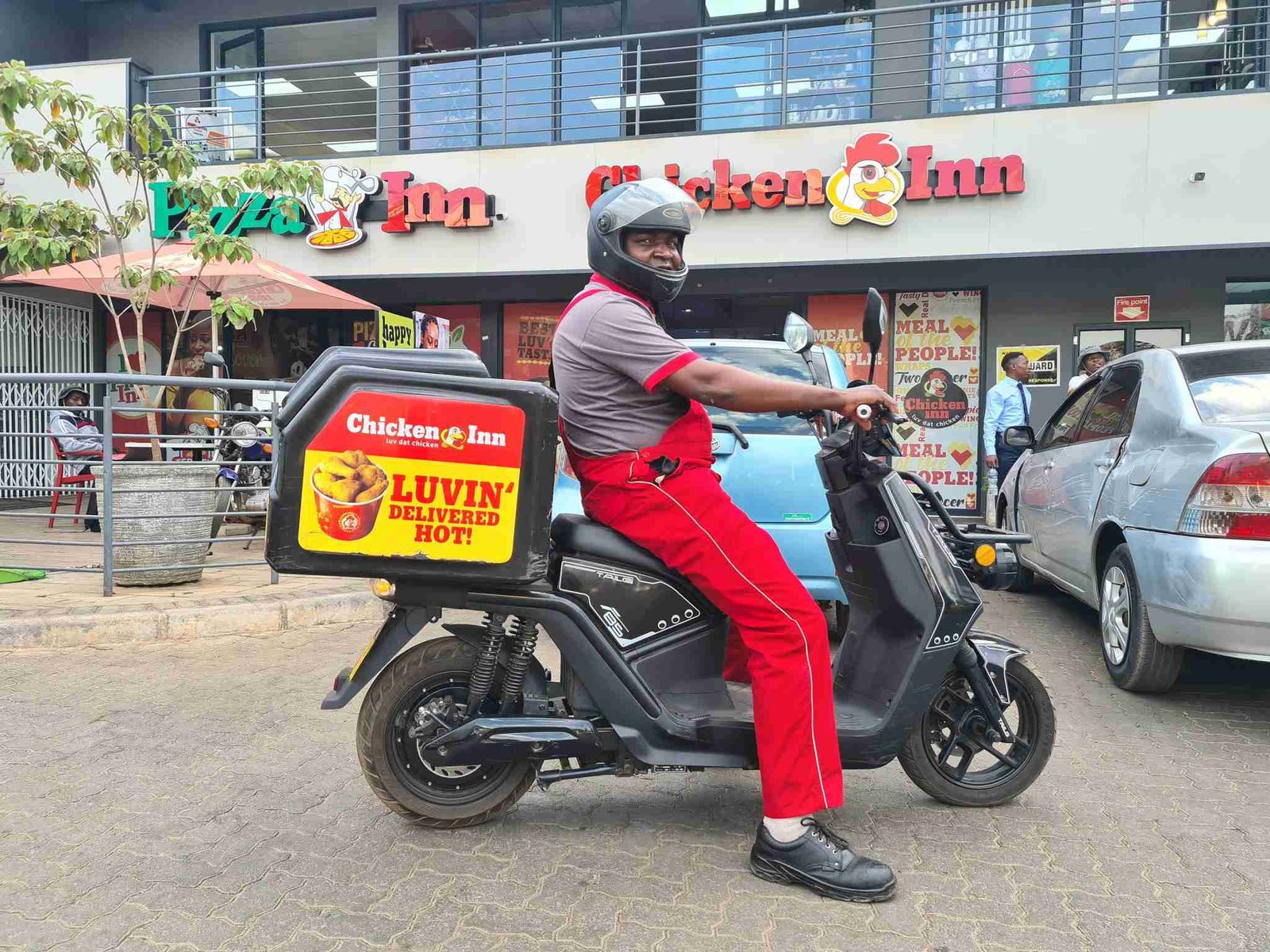
Beyond opening new outlets, Simbisa is also betting on increased adoption of its delivery services, which remain low in Zimbabwe compared to other markets. The company is increasing cost containment, including pushing energy savings, while working with suppliers to negotiate better terms.
ALSO READ | Luv Dat Property: Simbisa will list a US$28.5m real estate portfolio to support rapid expansion



