




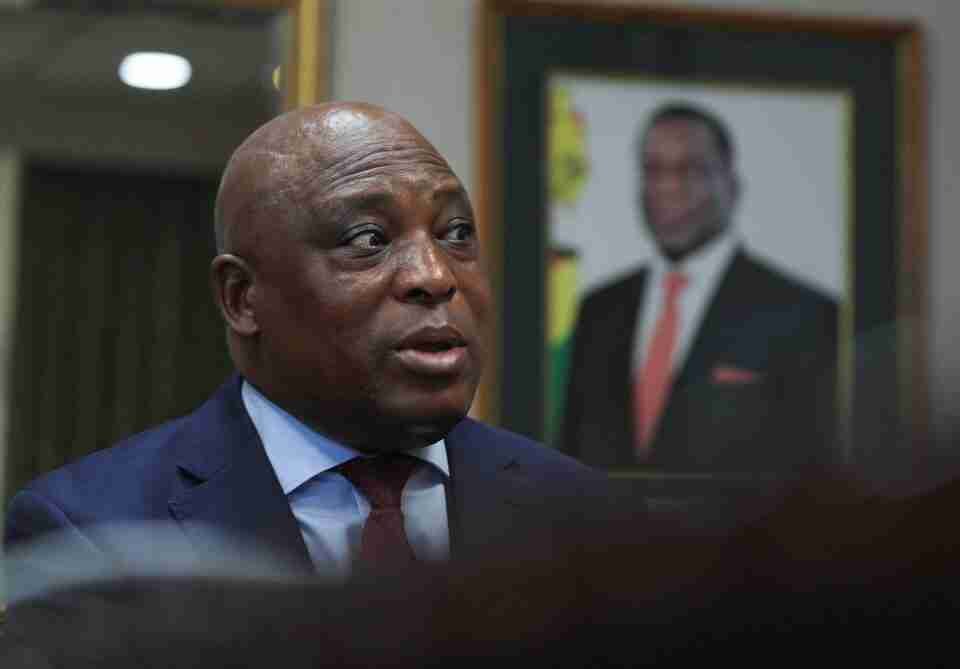
Reserve Bank of Zimbabwe (RBZ) governor John Mushayavanhu warns that global market volatility, including a weaker US dollar, could have mixed effects on Zimbabwe’s economy, even as the country benefits from record high gold prices.
The economy is toasting record high gold prices, which will boost forex earnings. But the weaker US dollar that comes with it may see higher costs feeding into inflation, Mushayavanhu says.
If the dollar weakens further globally, imported goods and raw materials can become more expensive. Higher import costs raise local production costs, which can push prices up. That can hurt the competitiveness of local producers and put pressure on inflation.
The overall impact, the RBZ chief says, will depend on whether Zimbabwe can lift gold production while managing rising costs.
“The net effect from the weaker US dollar on the Zimbabwean economy is more likely to be positive. The country, however, needs to buttress the opportunity and promote production, especially in the mining sector,” Mushayavanhu told The Herald.
“This implies that most traded commodities, which are priced in US dollar will become expensive,” he says. “These potential higher costs will likely be integrated into the cost of production of goods sold locally.”
Gold prices have dropped sharply in recent days to around US$4,677.17 per ounce, after touching a record US$5,500 an ounce. Some analysts say this was due to some uncertainty easing following the appointment of an “acceptable” Federal Reserve chair in the USA. Still, gold prices remain about 70% higher than a year ago. JP Morgan expects demand from central banks and investors to drive gold prices to US$6,300 per ounce by year-end.
While the government expects a tax windfall from gold, Zimbabwean brokers IH Securities also caution on the volatility: “Downside risks to the revenue outlook remain, largely stemming from commodity price shocks, given the economy’s high exposure to the mining and agricultural sectors.”



