



As Choppies entered the Zimbabwe market in 2013, it had one major hurdle to jump over – the indigenisation law.
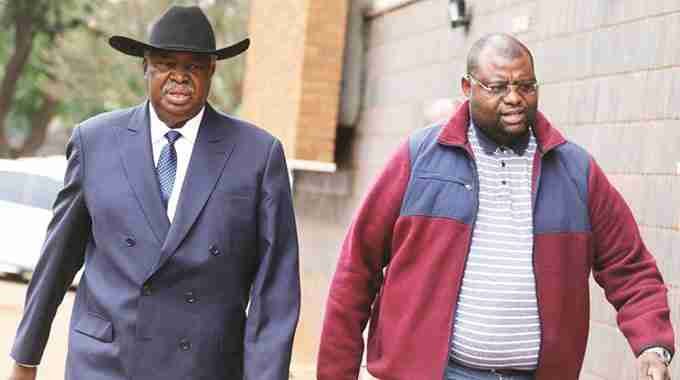
The regulation demanded that any business must be 51% locally owned. Choppies needed partners with political clout, and turned to the late former VP Phelekezela Mphoko and his son, Siqokoqela. And that was the start of a long period of trouble.
Choppies is currently exiting Zimbabwe, leaving behind a hostile government policy that favours informal traders over big retailers. Apart from the bad business environment, the company is also seeking to close the door on a long legal problem that started a decade ago.
Court documents filed by Choppies CEO, Ottapathu Ramachandran, in an abandoned fraud case against Siqokoqela, laid bare how the indigenisation regulation had been a lucrative avenue for the well-connected to make money with zero effort. Ramachandran accused the Mphokos of being “ungrateful that they usurped the legal ownership” of the company.
It all began when the Choppies founder decided to invest in Zimbabwe. In 2012, he had been approached by businessman Raj Modi, who was looking for an investor for his SPAR outlet at Bellevue, Bulawayo. Ramachandran liked Modi’s proposal. He agreed to buy Modi’s retail outlets in Bulawayo, giving him a launchpad into the country. But there was one big catch; the 51% indigenisation law. To get round this, Choppies set up a new company in Zimbabwe, Nanavac, in October 2012.
Ramachandran needed a Zimbabwean to hold the 51%. He reached out to Siqokoqela.
“I knew Siqokoqela from work circles in Botswana and at the material time, he was struggling financially,” Ramachandran said in an affidavit. The Mphokos became 51% shareholders, without paying anything.
To set up the business in Zimbabwe, Choppies invested US$66 million, including loans. The Mphokos had no such burden.
“We must state from the onset that no cent was contributed by the accused or his father into the business and their presence was purely to comply with the country’s Indigenisation Law. His mere contribution was nationality as Zimbabwean”, Ramachandran wrote.
Siqokoqela’s job, Choppies said, was only to “build the good name and brand Choppies in Bulawayo and Zimbabwe.” According to Ramachandran, Siqokoqela was put on a salary of US$10,000 per month. He got a company car, fuel allocation, school fees for his kids and his phone bill was paid for. On top of this, the Mphokos got 3.53% of annual profits as dividends.
Yet, the court heard at the time, Siqokoqela demanded more benefits, including groceries and cash from the business. Ramachandran claimed: “As such, all employees in Zimbabwe were labouring under the misconception that the accused person is the owner of Choppies Zimbabwe. He even threatened the employees with dismissal and deportation”.
According to the affidavit, Siqokoqela’s wife, Nomagugu, was accused of ordering store managers in Bulawayo to allow her to withdraw US$50,000 from their POS machines.
In 2019, Ramachandran decided not to go ahead with the fraud and extortion charges against Siqokoqela and his wife, but not before his affidavit had provided a window into the indigenisation gravy train.



