
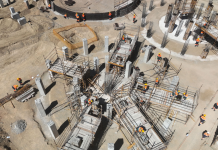



Tafuna, a remote community near Shamva, is thousands of miles away from Washington, DC. But it may soon feel the consequences of Donald Trump’s decision to withdraw the US from the World Health Organisation (WHO).
When a cholera outbreak swept through the district last year, it was WHO-funded health workers and local communities who swiftly set up a temporary treatment centre. With just eight beds, the facility was far from state-of-the-art. Yet, in a community where access to healthcare is scarce due to poor government funding, it was a lifeline. In Tafuna and many other areas left underserved by government resources, UN agencies such as WHO have delivered essential services.
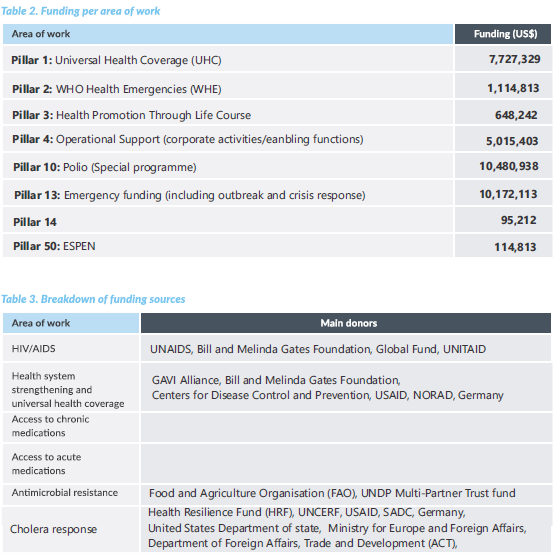
Trump’s decision, signed within hours of his inauguration, sets a 12-month timeline for the US to fully disengage from WHO and halt its financial contributions. The US, historically WHO’s largest donor, provides approximately 18% of the organisation’s total funding. In the 2024-2025 budget cycle, WHO planned for a budget of $6.8 billion, mostly reliant on US contributions. The next-largest donors—the Bill & Melinda Gates Foundation, Gavi, the European Commission, and the World Bank— will have to fill the impending financial void left by the US. After the US, the second-largest national donor is Germany, which contributes around 3% of the WHO’s funding.
Over the past decade, the US has contributed between $160 million and $815 million annually to WHO. These funds have helped the fight against tuberculosis, HIV/AIDS, and responses to emergency outbreaks such as COVID-19.
Why is Trump withdrawing?
Trump’s move to exit WHO has been brewing since 2020 when he accused the organisation of bias toward China during the COVID-19 pandemic. At a September rally, he pledged to “take on the corruption” at WHO, which he claims is influenced by corporate interests and China. His decision aligns with his broader “MAGA” vision of focusing on America over “globalist agendas”.
Separately, Trump also signed another executive order temporarily suspending all US foreign aid programs for 90 days pending reviews to see whether they aligned with his policies.
He said “foreign aid industry and bureaucracy are not aligned with American interests and in many cases antithetical to American values” and “serve to destabilise world peace by promoting ideas in foreign countries that are directly inverse to harmonious and stable relations internal to and among countries.”
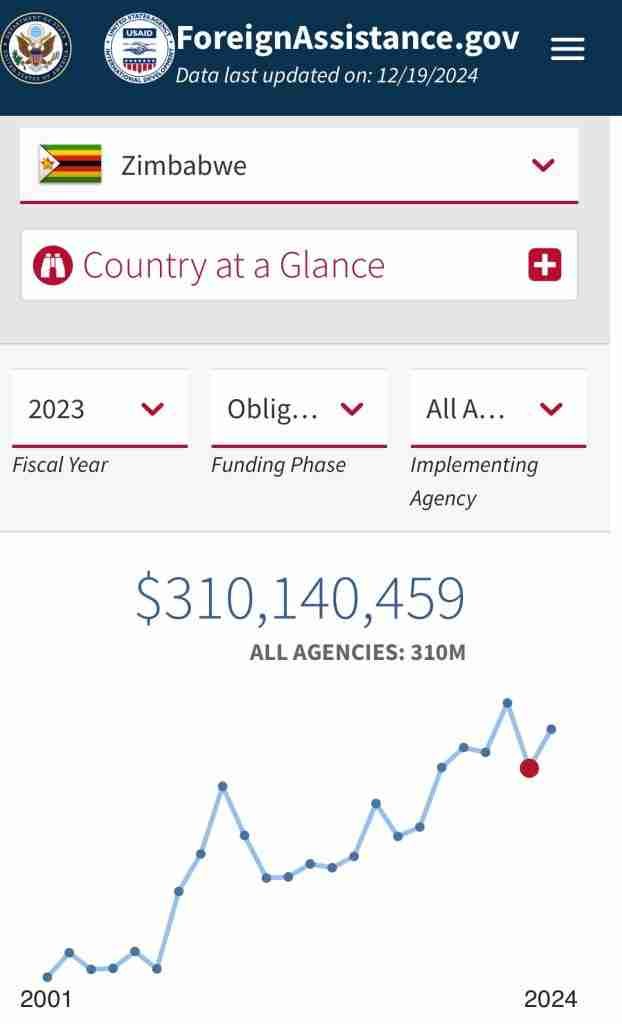
At the end of 2023, the US had programmes worth over $300 million running in Zimbabwe, according to data on the USAID foreign aid portal. The money is channeled through NGOs and not via the national budget.
Impact
WHO has helped support Zimbabwe’s public health. For instance, Zimbabwe has made progress in HIV/AIDS through partnerships with WHO and UNAIDS. HIV prevalence among adults aged 15 to 49 years fell from 12.69% in 2019 to 10.49% in 2023. Zimbabwe has achieved the 95-95-95 UNAIDS Fast-Track targets for adults; 95% of people living with HIV know their status, 95% of those diagnosed are on treatment, and 95% of those on treatment have achieved viral load suppression.
Recent WHO-backed projects in Zimbabwe show why the organisation has been key. In October, WHO supported a mass drug administration campaign to combat neglected tropical diseases like bilharzia, reaching over two million children in underprivileged communities. WHO is supporting the government’s Health Workforce Investment Compact, aimed at addressing the serious staffing crisis in the health sector.
“To realise these ambitious goals, a total investment of US$1.63 billion is needed between 2024 and 2026. An additional US$475 million is required to meet the objectives outlined in the investment compact,” the WHO said in October.
Zimbabwe receives over $200 million annually from the U.S. President’s Emergency Plan for AIDS Relief (PEPFAR), figures show.
On our own: by the numbers
With WHO funding soon to be slashed, Zimbabwe’s government faces a test of its commitment to public health. So far, the government’s track record suggests an unwillingness to rise to the challenge. The numbers show how the government has abandoned its responsibility and left it to donors.
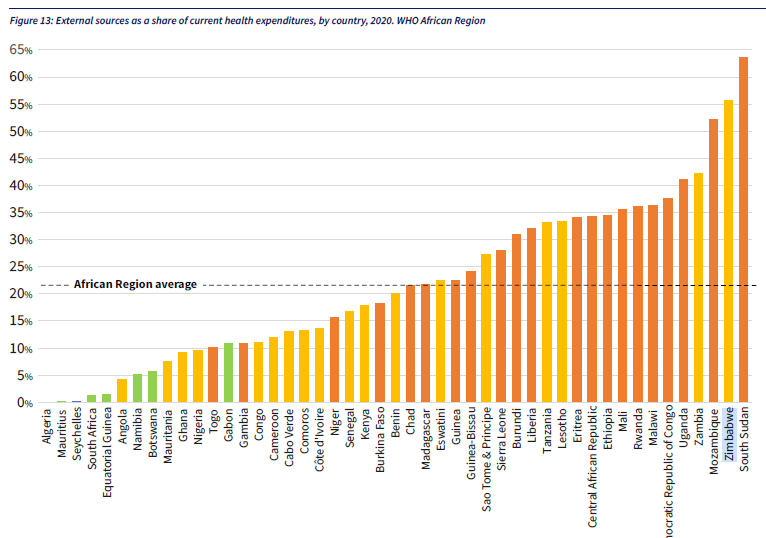
WHO estimates that over half of Zimbabwe’s health spending is externally financed. The 2025 national budget anticipates $461 million from donors, up from $353 million in 2024.
In 2025, Zimbabwe will allocate only 2.1% of GDP to health, down from 4% in 2024. What little is given to health is often disbursed late. Treasury’s 2024 mid-year data showed that only 27% of the health ministry’s allocated funds had been used by June. In contrast, the Office of the President had already spent 92% of its money. The Zimbabwe Council of Chiefs had exceeded its budget, spending 118% of what it had been given for the year. This was mostly because government had bought cars for chiefs.
With a major cut in WHO funding, millions of Zimbabweans may be on their own. Unless the government surprises us all with an out-of-character change of focus.



