




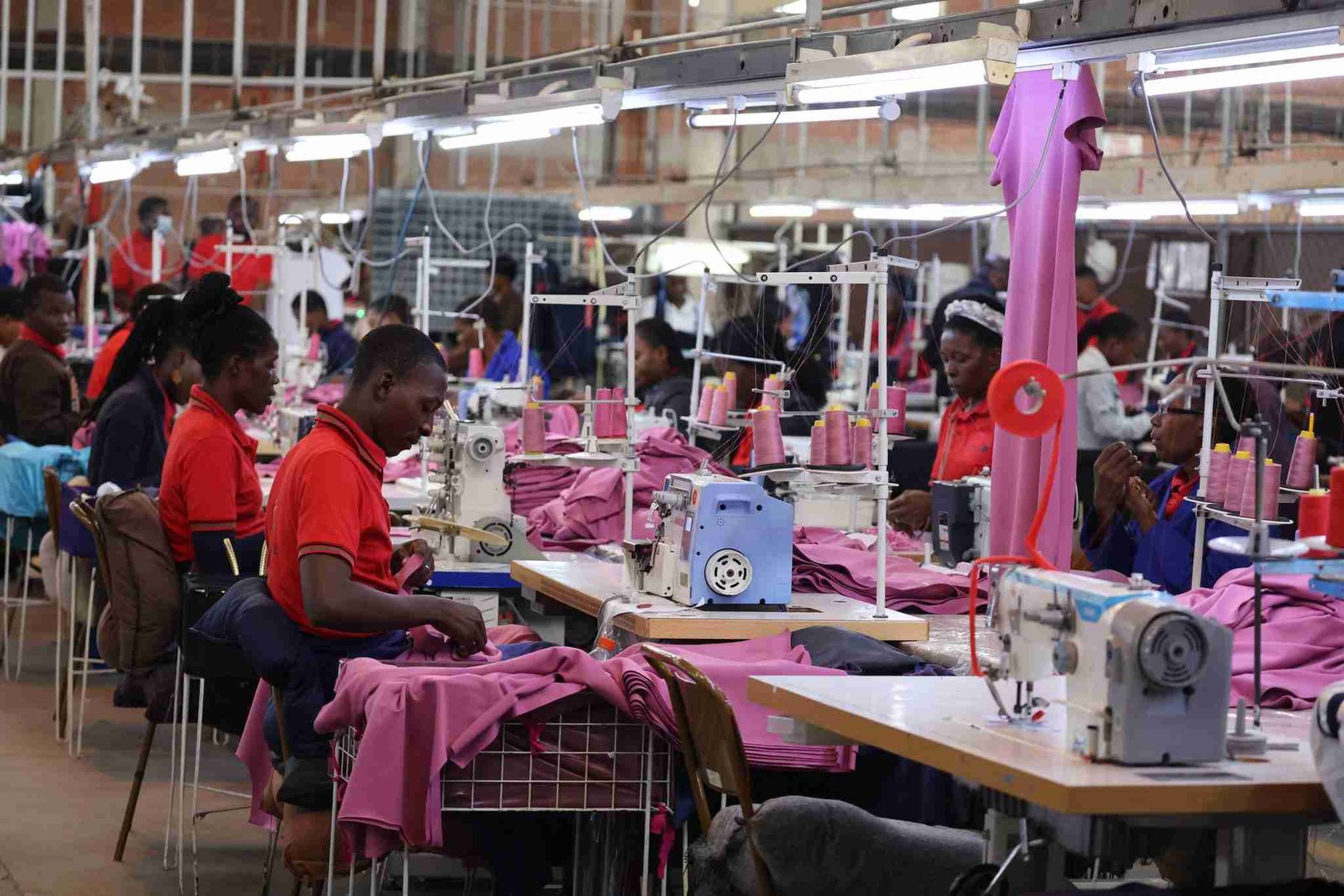
Two once-mighty names in Zimbabwe’s clothing industry — Edgars and David Whitehead Textiles — are leaning on each other to try and return to their former glory.
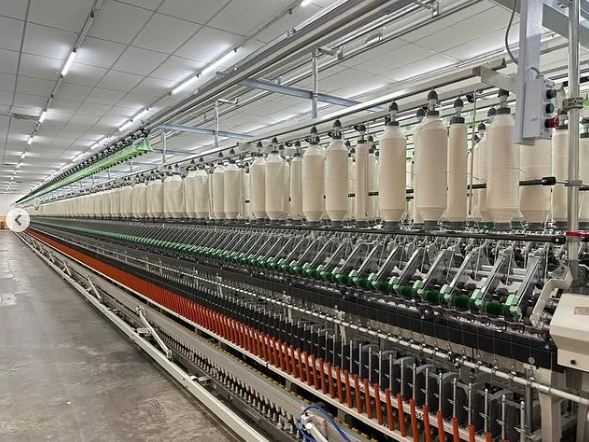
David Whitehead, whose iconic textile plant at Chegutu lay idle for over two decades, says it is coming back to life with new investment. On the other hand, Edgars is battling cheap clothing imports by increasing local manufacturing, starting with its own Carousel factory in Bulawayo.
Now, the two are joining forces: David Whitehead will supply fabrics to Edgars, which aims to make more of its garments locally. The retailer believes making more clothes locally with help deal with supply chain disruptions, cut costs, and give it a firmer handle on quality.
“They (David Whitehead) have retooled their factory and they’re producing very exciting fabrics,” says Edgars CEO Sevious Mushosho.
David Whitehead was once Zimbabwe’s largest textile manufacturer before its fall in the early 2000s, when the economy tanked and former owner Lonrho Africa exited. A management takeover failed to turn things around, and the company eventually went into judicial management. Agri Value Chain, a unit of ETG Parrogate — owners of the Zimgold cooking oil brand and a key player in the cotton value chain — acquired the factory in 2019.
“We are glad that entities like Edgars have taken it upon themselves to make it their agenda to work with local partners,” says David Whitehead MD Rodreck Musiyiwa.
David Whitehead is still far from its peak years and may never fully return to those glory years. The global market has changed since back then; the industry is now dominated by textile giants such as Bangladesh, India, Vietnam and China, which have far larger production capacities, lower costs and government subsidies. For many economies, it’s now cheaper to import fabric than make it locally. However, the company isn’t sitting back; it has previously said it was now producing at least 400 tonnes of yarn and two million tonnes of fabric monthly, enough to meet domestic demand from garment manufacturers.
____
Quality control
Edgars says its effort to shift production home is paying off. Its Carousel factory increased its output by 58.2% last year, producing 305,000 clothing items, up from 194,000 in 2023, according to its latest results. The company invested US$1 million in upgrades, including automatic sewing machines, new surface printers, and boiler and embroidery equipment. This year, it plans to invest a further US$800,000 into manufacturing.
By expanding local production, Edgars believes it can have better procurement stability and quality control.
“We got our control back,” says Mushosho. “This year, we want to increase the control of the supply chain and over the quality of our garments.”
Edgars faces strong competition from cheaper retailers. The company’s fightback strategy is led by its Express line, which now sells clothing for as little as a dollar per item. Six new Express stores were opened last year as part of that strategy, and 10 are planned this year.
However, the 2024 sales performance shows the uphill battle Edgars still faces. The company sold 1.99 million units, down 15.6% from 2.36 million in the previous year. however, Edgars managed to contain the revenue decline to 9.1% at US$30.7 million versus US$33.7 million in 2023. Profit improved to US$813,000 from US$100,000 in 2023.
The company is also trying to address criticism that it sells less fashionable clothing by employing more machinists and designers, while targeting the tastes of younger customers. The company has put 32 stores on solar to ease the impact of power cuts.
ALSO READ | If you can’t beat them, join them: Edgars’ strategy to take on cheap clothing retailers



