


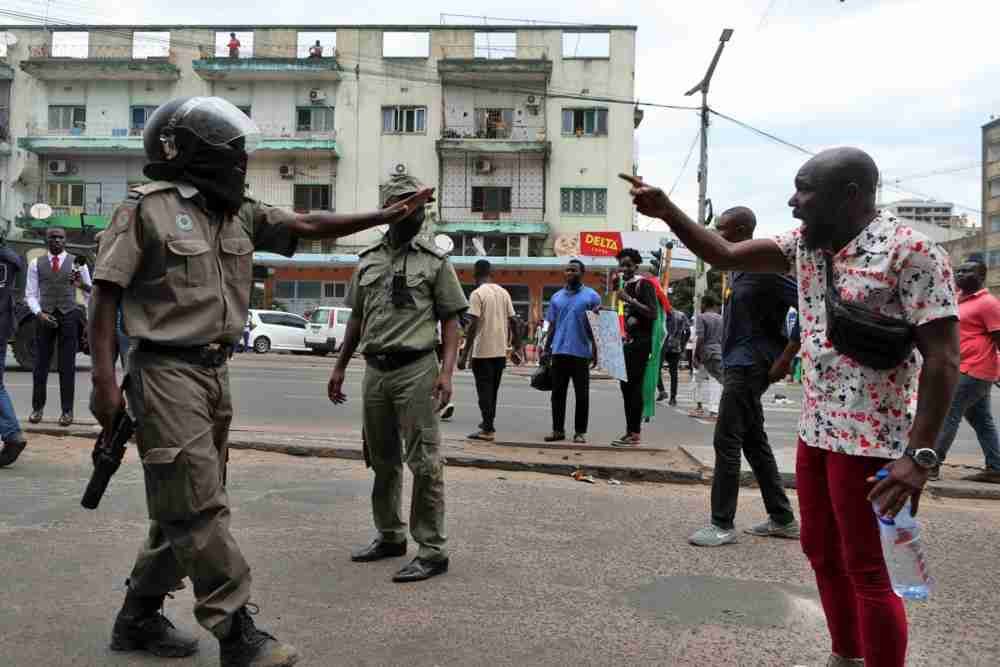
Protests in the aftermath of Mozambique’s disputed election in October have taken a heavy toll, with dozens of deaths reported. The unrest has also had a massive impact on the economy of Mozambique, and disrupted trade across the region.
The ruling party, FRELIMO, was declared the winner with about 70% of the vote. Venâncio Mondlane, the opposition candidate, won 20%. He has rejected the result and claimed rigging. He has declared that he will be inaugurated as the legitimate President on January 15. Until then, he says, all mines must be shut down and people must stop paying taxes.
Under Mozambican law, election results are confirmed by the country’s Constitutional Council. The court sits on Monday, December 23, to decide. Ahead of that ruling, Mondlane has warned judges that their decision will determine whether Mozambique “moves towards peace or chaos”.
This has raised the chances of more violence. For many unemployed youths, there is little to lose; unemployment is already high and the protests are venting their anger at government. For big businesses, the cost to the economy and neighbours has been high. Here are some of the economic effects so far.
Trade
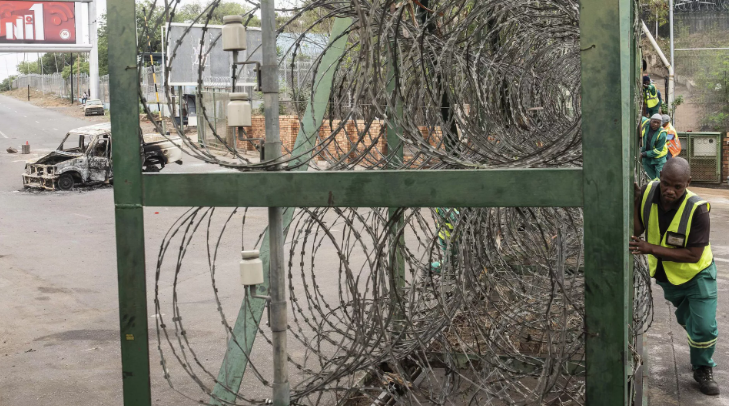
Protesters have frequently shut down the Lebombo border, through which South Africa accesses the ports in Mozambique. Exporters from Zimbabwe, Zambia, South Africa and other countries in the region have been affected. Businesses in Mozambique have met President Filipe Nyusi and asked for armed escorts through key routes, including the Beira corridor to Zimbabwe.
The head of the Freight Forwarders Association of South Africa, Gavin Kelly, said members were losing up to R10 million a day during border closures.
Mozambique’s biggest brewery, Cerveja de Moçambique, stopped production on December 11 after protesters raided the facility and made off with beer. The company makes the popular 2M beer.
___
Power disruption
There were widespread power cuts recently after protesters invaded the Ressano Garcia and Gigawatt power stations, demanding a stoppage to power generation. This cut power to parts of the country and halted exports to Zambia, already facing a power crisis. Power has since been restored.
Delayed salaries
The Mozambican Federation of Contractors says 58 construction companies have not paid salaries since November. President Nyusi has also warned that civil servant salaries may be delayed, as tax incomes fall.
Shortages
Shortages of various products are worsening, including foodstuffs and cement, whose supply has been disturbed by the closure of the largest cement factory in Sofala. Standard Bank expects the fastest quarterly economic downturn since January 2022.
Tourism
Mozambique, with its pristine beaches, is popular with tourists. More than 13,000 tourism bookings have been cancelled in Gaza province, according to the Directorate of Culture and Tourism in Gaza. The cancellations are part of a package of 25,708 bookings for the festive period. This is likely to affect salary payments. The UK has issued an advisory to British travelers, cautioning them to “prepare for significant disruption and unrest”. The Southern Africa Tourism Services Association, while urging caution, however says popular tourist locations such as Vilankulos, are largely affected by the protests – which are mostly active in cities like Maputo.
Mining
Australian mining company Syrah, which supplies Tesla, stopped work at its graphite mine in Cabo Delgado. This was due to disruptions caused by a mix of existing local grievances and election protests. Attacks have been reported at the Kenmare tantalite mine on the coast at Moma, while metal producer South32 also faced disruption at its aluminium smelter. The protests may also affect the billion-dollar gas projects, which have already been delayed by conflict in Cabo Delgado.



