

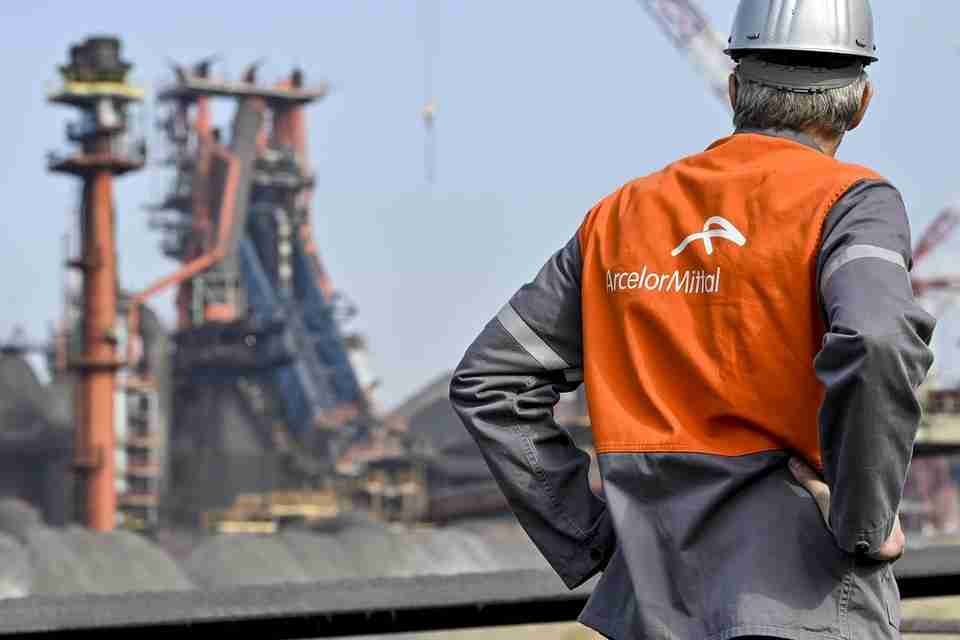
The closure of ArcelorMittal’s steel mills in South Africa may be felt in Zimbabwe, where the company is the major buyer of coking coal from Hwange.
Africa’s largest steel producer announced Tuesday that it is winding down its long-steel operations at Newcastle and Vereeniging because of the “slow economy” in South Africa. Some 3,500 workers there may lose their jobs, the company said in a statement.
ArcelorMittal says it tried to avoid closure through “aggressive cost savings initiatives”. But these steps have not been able to counter the impact of a slow economy, which has cut steel consumption in that country by 20% over the past seven years. The company also blames high transport costs and loadshedding. For now, the coke batteries – the furnaces which use coking coal to make steel – “remain operative”. However, ArcelorMittal’s action points to a drop in production that may eventually force it to cut imports of coal.
What do ArcelorMittal’s troubles mean for Zimbabwe?
ArcelorMittal buys over 70% of Zimbabwe’s coking coal. It also owns 10% of Hwange Colliery.
In 2023, ArcelorMittal CEO Kobus Verster met President Emmerson Mnangagwa in Harare, and said his company planned to increase its purchases of coking coal from Zimbabwe. He said his company was buying around 5,000 tonnes of Hwange coking coal and 20,000 tonnes of coke for their South African plants every month. ArcelorMittal planned to increase tonnage to 30,000 tonnes of coking coal and 50,000 tonnes of coke by 2024, he said then. He estimated that ArcelorMittal had bought US$140 million worth of coal products from Zimbabwean producers in the previous year.
ArcelorMittal has also reportedly been in talks to buy coking coal from Muchesu Mine, a new coal operation commissioned this year by UK mining company Contango. A statement from Contango in October said it was in talks with a “multinational” for 80,000 tonnes of washed coking coal, and that the potential buyer “will be responsible for transporting the washed coking coal in its own fleet of trucks to its facilities in South Africa where the trial will take place”.
Many construction companies in Zimbabwe buy steel products from South Africa, and the closure of ArcelorMittal’s plants may affect some supply, at a time when steel is in high demand locally.
Good and bad news for Manhize?
The grim prospects of ArcelorMittal – based on low global prices – may worry Tsingshan, which has just completed the early phases of its own steel plant at Manhize, near Chivhu, through its subsidiary Dinson Iron and Steel Company.
But ArcelorMittal’s closure may present an opportunity for Tsingshan to fill the supply gap when it starts producing long-steel products at scale. Dinson plans to start producing steel bars in 2025. The company would, however, have to overcome low capacity and inadequate infrastructure to take goods to market.
Charles Dednam, Secretary General of the South African Iron and Steel Institute, says Dinson must move down the value chain to take full advantage of steel demand.
“If one looks at the Dinson steel mill, it’s actually just filling the gap in the SADC [Southern African Development Community] region – and to a significant magnitude,” Dednam told Moneyweb. “So, although they’re currently producing 600,000 tonnes, the end state will be about 3.5 million tonnes that they will be supplying into a current market that is about eight million tons in demand in SADC, with the South African productive capacity at 8.8 million tons. So it’ll just add to surplus capacity in this region.”
The shutdown of ArcelorMittal’s factories also means less business for freight companies and associated logistics service providers across the region, including in Zimbabwe.
ALSO READ | Five months into production, Zimbabwe’s newest coal project receives acquisition offer