




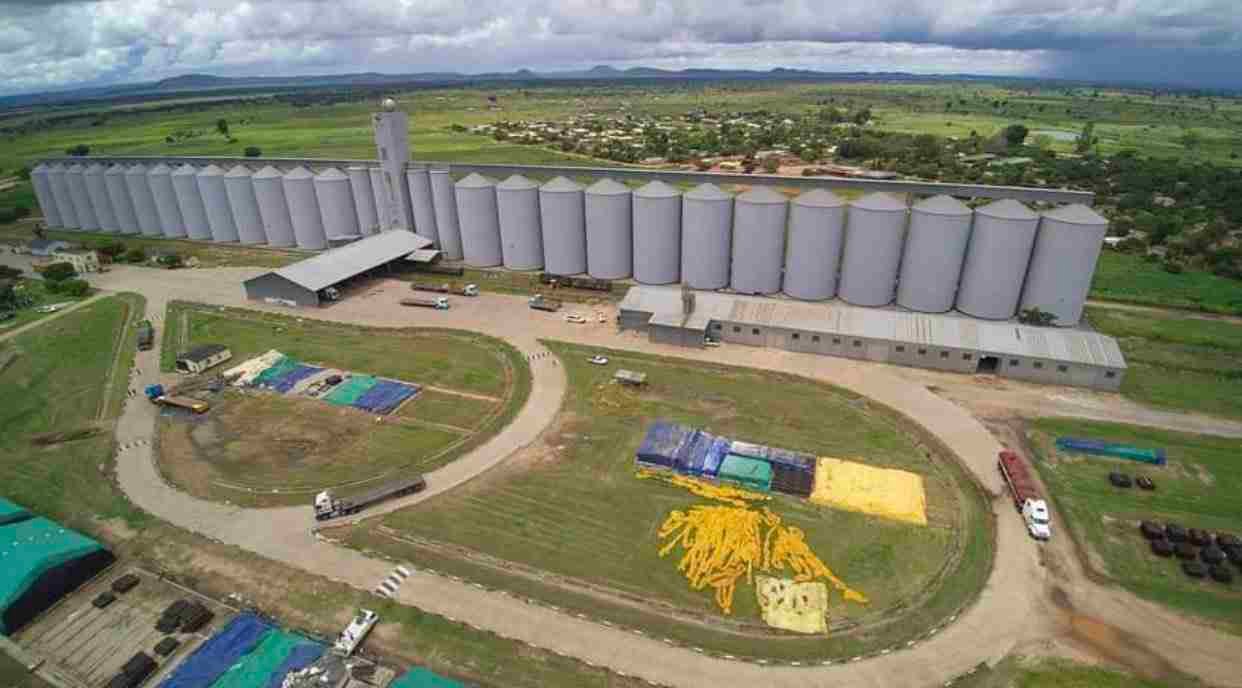
Zimbabwe is reopening the door to grain imports as it prepares for a lower harvest due to an expected drought, just months after celebrating a drop in maize imports.
Government expects Zimbabwe’s cereal production to fall sharply from 2.74 million tonnes in 2025/26, to 1.6 million tonnes in 2026/27 due to the anticipated El Niño-related drought. This would be a 42% drop, leaving a deficit of between 266,881 and 541,881 tonnes. Government plans to allow increased grain imports by the private sector to help meet the shortfall.
Cabinet on Wednesday said “the private sector will be allowed to import to meet commercial needs for both food and feed”, while household import allowances for basic foodstuffs will also be reviewed upwards.
This is a shift from the import-substitution drive introduced last year. Under SI 87 of 2025, millers were ordered to buy at least 40% of their grain locally from April 2026, rising to 100% local sourcing from April 2028.
With a drought on the horizon, Government has recently changed course.
The 2025/26 season delivered a stronger harvest, according to official figures. Zimbabwe cut maize imports by 34%, while the second-round crop assessment put maize production at 2.35 million tonnes, up 2% from 2.29 million tonnes in 2024/25.
The stronger harvest also reduced the maize import bill. In April 2026, maize imports fell to US$30.2 million from US$53.2 million in March, a 43% monthly decline.
However, shortages have already exposed a gap between national production figures and grain availability for some millers and manufacturers.
In August, the Grain Millers Association’s southern region reported that local maize supplies had “significantly declined”, saying Blue Ribbon and 23 other millers in Bulawayo had stopped milling. Government disputed the claim, saying Zimbabwe “has produced more maize and has grain.”
Brewer Delta, a major cereal consumer, has also previously reported that grain harvests last year were lower than official figures. During the previous drought, the company had to import maize at US$450-US$470 a tonne.



