


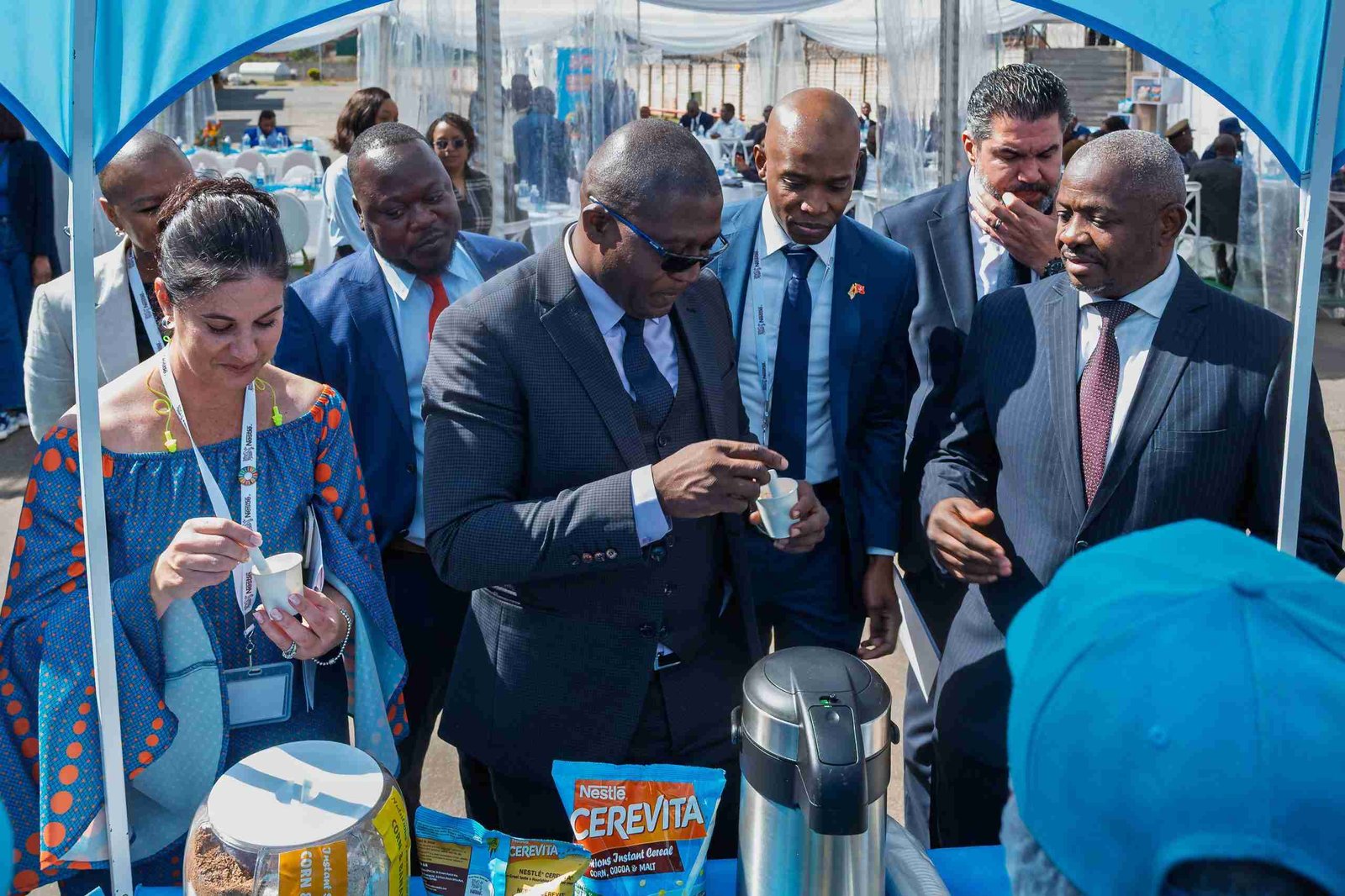
Nestlé Zimbabwe has increased production of its flagship cereal Cerevita as the company begins to reap the benefits of its recent US$7 million investment into local manufacturing.
The upgrade includes a new Roller Dryer unit, now fully operational, which has helped Nestlé meet rising demand for the popular breakfast brand by increasing production capacity.
“With the all-new Roller Dryer 4 now operational, production capacity has already increased by over 35%, improving product availability while maintaining the high standards of safety, quality and consistency that consumers expect from Nestlé,” the company says.
The boost in output has improved availability of Cerevita across Zimbabwe’s retail shelves, where it remains a staple for many households.
“This investment is not just about production infrastructure — it’s about long-term nourishment, empowerment and pride in a product that reflects our local taste, our local grain, and our local spirit,” said Nicole Roos, Managing Director and Chairperson of Nestlé East and Southern Africa Region.
Cerevita comes in five variants, including corn and wheat, corn and banana, cocoa and malt, flakes with milk, and corn and sorghum. It is sold in 500g sachets and 750g box packs.
“Made using whole grains that retain the bran, germ, and endosperm, it is naturally rich in fibre, essential fats, antioxidants, magnesium, and carbohydrates, making it ideal for nourishing the whole family,” said Khaled Ramadan, Nestlé’s Managing Director for East Africa and Greater Zambezi.
The cereal is fortified with a blend of iron, vitamins, and minerals. Beyond output, the investment supports Nestlé’s local sourcing strategy. The company works with over 350 Zimbabwean suppliers and 18 local farmers, and employs 149 full-time staff, 268 casual workers, and eight graduate trainees. Cerevita is now exported from Zimbabwe into Zambia, Malawi, and Mozambique. Nestlé says the expansion project also aligns with its sustainability goals through reduced water usage, energy efficiency, and waste management, part of its effort to build Zimbabwe into a regional cereal manufacturing hub.