



As Zimbabweans build more homes, they are also bringing with them demand for a household necessity – beds. That’s good news for the country’s biggest bed manufacturer, which is seeing rising sales.
In the six months to December, Restapedic, a unit of Axia Corporation, sold 25,715 beds, which was 21% more than in the same period of the previous year.
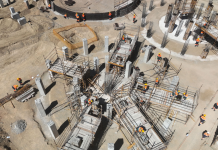
Restapedic has just completed a vast new bed factory in Sunway City, near Harare. Now the company is devising a plan on how to deliver those beds to buyers at more affordable prices, in a competitive market where they compete with informal manufacturers.
“The maximum capacity at the plant is 10,000 beds per month; I think we are the second largest bed manufacturing plant in Southern Africa,” says CEO Ray Rambanapasi.
How many beds do Zimbabweans buy per month? Rambanapasi says research among formal manufacturers, which also includes rival brands such as KDV and Bowline, show sales of at least 30,000 beds per month. But Rambanapasi believes the actual market is much bigger, given the scale of the informal market.
“There’s still room for us to tap into the informal market,” says Rambanapasi. “We have an advantage because we can control the supply chain, so that when we sell to the informal market, from a pricing point of view, we have an advantage.”
Axia’s strategy to drive affordable beds has meant that revenue per unit fell, but it has also driven up volumes. The company calculates that its quality bedding will ultimately set its beds apart.
“We have to fight the market by offering a product that is of good quality, but at the same time affordable,” says Rambanapasi. “That can be assisted with our new plant, which is currently 99% complete, taking advantage of economies of scale.”
The plant is making 4,000 beds per month, but there is still a lot of room to grow.
“We are taking it step by step. The highest we have done was around November and December, when we did around 5,000 beds per month, each month. We’re getting there,” Rambanapasai says.
The challenge from small informal manufacturers is seen in the performance of another Axia unit, Legend Lounge. The furniture maker suffered a 10% drop in volumes as “competition from the informal sector significantly impacted sales”. That business will now be brought under Restapedic.
Axia will also look to increase distribution. TV Sales & Home is launching a new low-cost bed brand, Bed-Time, and will open additional factory shops nationwide “to compete more effectively with the informal market”.
ALSO READ | The Game Plan: Diversification and targeted expansion at the centre of Axia’s growth strategy



