




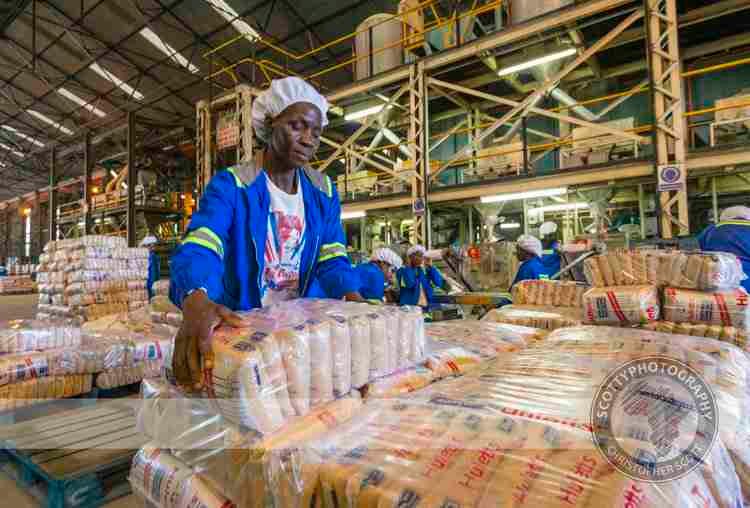
Zimbabwe’s biggest sugar producer says sales and revenue are up after the government restored a ban on imported sugar, which had eroded up to 25% of local producers’ market share.
The government allowed imports of sugar and other local commodities last year, saying this was needed to tame rising inflation. This opened the borders to cheaper imported sugar, with at least 17 foreign brands entering the market and eating up a quarter of the local companies’ market share.
In its latest half-year report, Hippo Valley, which produces over 50% of the country’s sugar, says restoring the ban has helped the industry recover.
“Resultantly, the industry’s customers have largely switched back to locally produced sugar, with the domestic market industry sales volumes recovering by 31,716 tonnes,” Hippo reports.
However, the company says some illegal imports are still coming in. “Unfortunately, unfortified sugar brands not compliant with regulations are still being illegally imported and relevant authorities have been alerted.”
Foreign sugar is cheaper because some countries subsidise their producers. In contrast, local producers face high production costs.
In the six months to September, Hippo Valley produced 159,426 tonnes of sugar, 8% more than the same period in 2023. The industry in total produced 312,600 tonnes over the same months.
Says Hippo: “This improvement in sugar production was largely driven by a combination of higher yields, a more consistent rate of delivery of sugar cane and improved mill uptime after a successful off-crop (annual) maintenance programme which ensured more plant reliability.”
Hippo recorded a 24% jump in revenue to US$102.6 million. This is because the company sold more sugar locally, where the price is higher than in export markets.
The company says there is enough sugar to meet local demand. Exports will continue, with some being sold to the USA. Hippo does not expect the past season’s record drought to affect output.



