




National Foods, the country’s biggest food producer, says it is leaving the Victoria Falls Stock Exchange (VFEX) because it no longer needs the market to raise money.
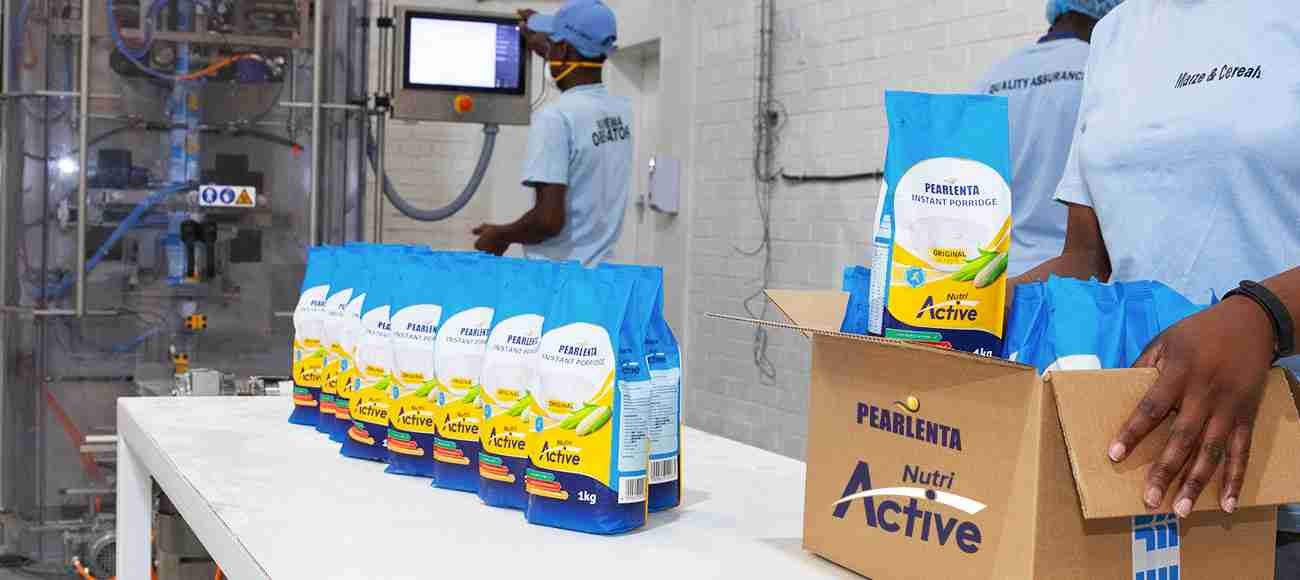
The VFEX was established in 2020 on the promise that companies could raise US dollars for capital, but liquidity shortages have dashed the hopes of many firms that had been attracted to the exchange. Natfoods, which makes brands such as Gloria, Red Seal, Pearlenta and BetterBuy, is now going private, offering to buy out existing shareholders.
“The company no longer requires capital from public equity markets in the near term, reducing the advantages of maintaining a VFEX listing,” Natfoods says in a circular. “The delisting will enable National Foods to redirect spending on substantial regulatory and compliance expenses to initiatives that are more closely aligned with the company’s needs.”
Natfoods is 75% owned by Innscor and South Africa’s Tiger Brands, which is restructuring its businesses at home and may be looking to sell some assets in future. The two companies hold 37.45% each.
Innscor has spent over US$160 million on expansion since 2021, with the bulk of that money going into Natfoods. Projects have included a US$22 million bread factory in Bulawayo and US$32 million worth of growth projects at Natfoods, among them a new flour mill in Bulawayo, a new pasta and biscuit line in Harare, and a new breakfast cereal range, NutriActive. The new pasta plant uses local wheat contracted by Natfoods. This money has been raised from profits and borrowings.
Natfoods sees no benefit in staying listed given “the low liquidity and restricted trading environment that have historically impacted both the VFEX and previously the ZSE.” Because Innscor and Tiger Brands hold such a large stake, this “limits the influence and participation of smaller retail investors, further supporting the rationale for delisting”, says the company.
Natfoods believes leaving the stock exchange gives it more “operational flexibility, enabling the Group to streamline its operations and concentrate on long-term strategic goals without the constraints and pressures of public market requirements.”
The company also expects to save on the fees it has to pay for stock market compliance.
ALSO READ | After investing US$160m, Innscor now focuses on sweating its new capacity



